
Khabor Wala Desk
Published: 31st December 2025, 10:03 PM
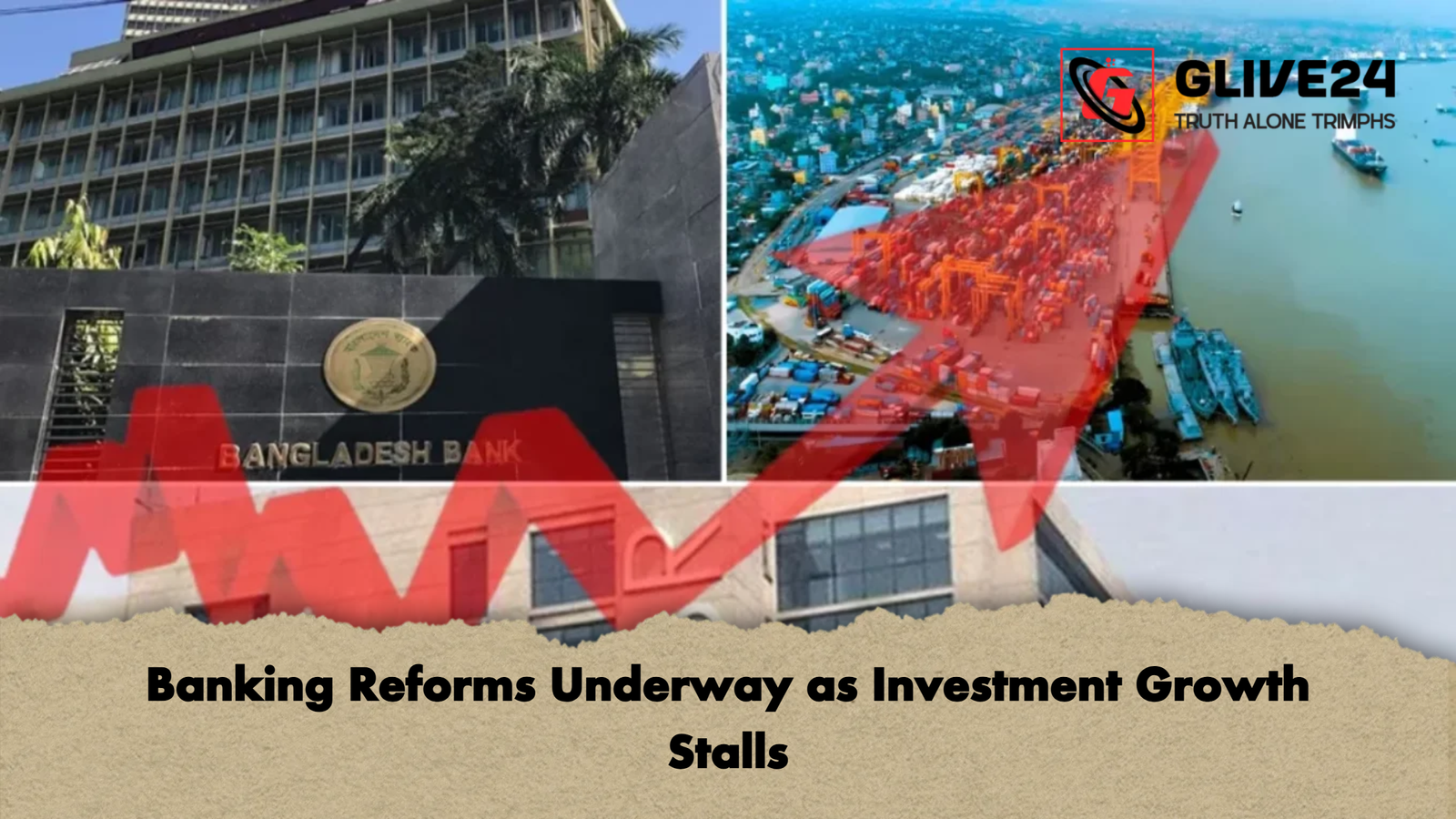
Over the past year, Bangladesh’s economy has endured one of its most testing periods in recent memory, marked by pressure, reform, and cautious reconstruction. A convergence of global economic uncertainty, heightened geopolitical tensions, persistently high inflation, and acute foreign currency shortages compelled the government to take a series of difficult and often unpopular decisions. An examination of data from government agencies and policy institutions reveals an economy attempting to stabilise itself while simultaneously embarking on long-overdue structural reforms. Yet for ordinary citizens, relief has been limited. Inflation remains stubbornly above 8 per cent—currently the highest rate across South Asia.
Long-standing challenges such as energy shortages, elevated interest rates, eroding purchasing power, and high living costs have been further compounded since the interim government assumed office. Deep-rooted weaknesses in the banking sector surfaced more clearly, administrative instability intensified, and revenue collection suffered as protests within the National Board of Revenue (NBR) disrupted fiscal operations. Despite these setbacks, the interim administration’s most notable achievement has been its concerted effort to stabilise macroeconomic indicators.
Economic Adviser Dr Salehuddin Ahmed has repeatedly stated that the government has been striving to pull the economy back from the brink. Some progress is evident. Remittance inflows have risen, the decline in foreign exchange reserves has been arrested, and the exchange rate has largely stabilised after earlier sharp depreciation. The currency regime has also moved closer to a market-based system, while foreign investment has seen modest improvement. Compared with the previous administration, the overall macroeconomic environment has undoubtedly improved.
However, uncertainty and instability have emerged as defining features of the interim period. Business leaders remain hesitant to commit to new investments, a reluctance reflected in persistently weak investment indicators. Although industrial unrest has eased somewhat in 2025 compared with 2024, investment stagnation has deepened.
Inflation and Wage Growth
| Indicator | October 2025 | November 2025 |
|---|---|---|
| Inflation (CPI) | 8.17% | 8.29% |
| Wage Growth | – | 8.04% |
High inflation has been the most persistent burden, eroding real incomes for three consecutive years. According to economists, wages have failed to keep pace with rising prices, steadily weakening household purchasing power—particularly among lower and lower-middle-income groups.
Banking Sector: A Struggle for Recovery
The banking sector’s long-standing mismanagement, loan defaults, and allegations of financial misconduct reached a critical point in 2025. Central bank data indicate that more than one-third of all loans are now classified as non-performing. In response, Bangladesh Bank initiated the merger of five Shariah-based banks into a single entity.
| Item | Details |
|---|---|
| Banks Merged | EXIM, Social Islami, First Security Islami, Global Islami, Union |
| New Entity | United Islami Bank |
| Paid-up Capital | Tk 35,000 crore |
| Government Contribution | Tk 20,000 crore |
Investment and Credit Growth
| Period | Private Sector Credit Growth |
|---|---|
| October 2024 | 8.30% |
| October 2025 | 6.23% |
Economists warn that declining credit growth reflects weak investor confidence. Businesses are reluctant to expand operations, leading to reduced demand for capital machinery and lower borrowing from banks.
Development Spending and Revenue Disruptions
The Annual Development Programme (ADP) has continued to suffer from slow implementation, despite reduced allocations and procedural reforms. Meanwhile, prolonged protests within the NBR severely disrupted revenue collection, trade activities, and port operations, adding further strain to the economy.
Reserves and Remittances: A Rare Bright Spot
| Indicator | Value |
|---|---|
| Foreign Exchange Reserves (18 Dec 2025) | USD 32.57 billion |
| Reserves (Aug 2024) | ~USD 25 billion |
| Remittance Inflow (Jul–Nov) | USD 13.04 billion |
| Remittance Growth | 17.14% |
| Overseas Employment | 500,000 workers |
Improved remittance inflows and a stabilised exchange rate have provided much-needed relief to foreign exchange reserves. While these gains offer cautious optimism, economists stress that restoring investor confidence, reforming the banking sector, and controlling inflation remain critical for Bangladesh’s economic recovery.



Comments