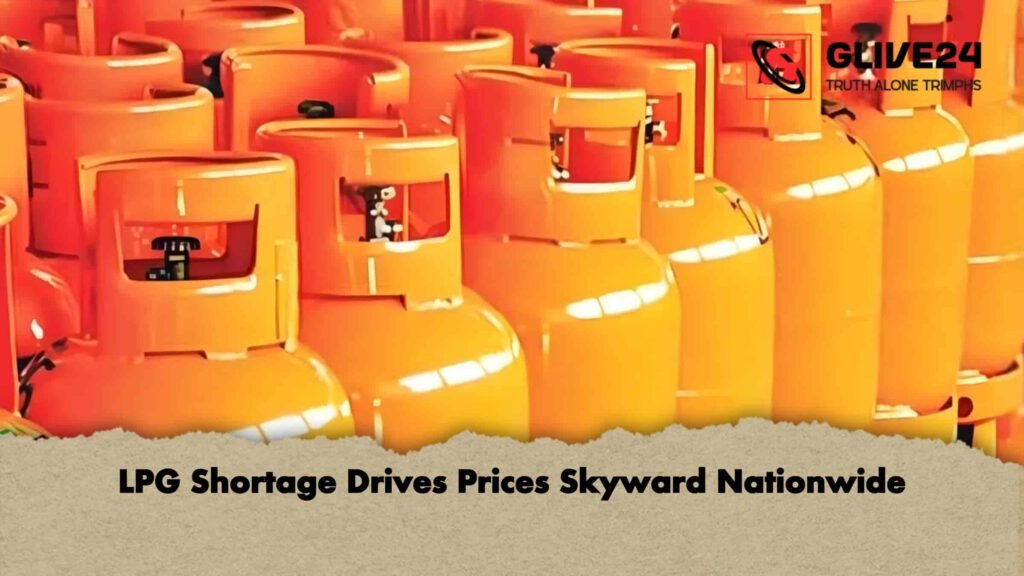
Bangladesh is currently facing a severe shortage of liquefied petroleum gas (LPG), pushing consumer prices to unprecedented levels. LPG demand in the country typically grows by more than 10 per cent annually. Historically, this rising demand has been met through increased imports. However, in 2024, the opposite trend emerged, causing acute supply pressures in the final months of the year.
According to the Bangladesh Energy Regulatory Commission (BERC), LPG imports in 2024 fell sharply compared to 2023, with a shortfall of nearly 150,000 tonnes. The reduction has led to heightened market stress, affecting both households and commercial users.
LPG Imports Over Three Years (Tonnes)
| Year | Import Volume (Tonnes) | Change (Tonnes) |
|---|---|---|
| 2023 | 1,275,000 | – |
| 2024 | 1,610,000 | +336,000 |
| 2025 | 1,465,000 | -145,000 |
BERC sources report that 52 companies currently hold licences for LPG business operations in Bangladesh. Of these, 32 are equipped to fill cylinders domestically, while 23 have import capabilities. Yet, in 2024, only eight companies conducted regular imports. Many companies that imported early in the year halted operations later, exacerbating supply constraints.
A BERC official noted that the crisis could have been anticipated. “Monthly import data was available to the government, but without timely approvals, the shortage became inevitable,” the official said. In response, the Energy Division has already taken steps to increase LPG imports, prioritising letters of credit (LCs) and expanding import permissions.
BERC Chairman Jalal Ahmed attributed the shortage to supply chain disruptions. “By November 2024, 170 vessels were delayed due to U.S. sanctions. In December, another 29 ships were affected. Supplies from Iran stopped, and major buyers such as China have been competing in the global market,” he explained.
Meanwhile, Amirul Haque, President of LPG Operators of Bangladesh (LOAB), criticised the government for delays in authorising import expansions. He said that a consortium of five companies had requested permission to increase imports a year ago, but regulatory approvals and new plant licences were not granted.
Current Retail Prices Across Major Cities
| City / District | Base Price (BDT) | Selling Price (BDT) | Market Situation |
|---|---|---|---|
| Dhaka-Mohammadpur | 1,306 | 2,300 | Cylinders extremely scarce |
| Chattogram-Agrabadh | 1,306 | 2,000 | Limited supply, high prices |
| Barishal-New Market | 1,306 | 1,600 | Empty cylinders sold at premium |
| Rajshahi-Sadhur Mor | 1,306 | – | No cylinders available |
Across major cities including Dhaka, Chattogram, Rajshahi, and Barishal, households are increasingly resorting to electric or kerosene stoves. Retailers report that distributors are unable to meet demand; cylinders that arrive in the market are sold within hours.
Without a significant increase in supply, market conditions are unlikely to stabilise. Although BERC and the Energy Division have initiated corrective measures, improvements are expected to materialise over the coming weeks. The ongoing LPG shortage continues to impact every household and commercial enterprise, creating widespread disruption for both consumers and businesses.