
Khabor Wala Desk
Published: 21st January 2026, 5:30 AM
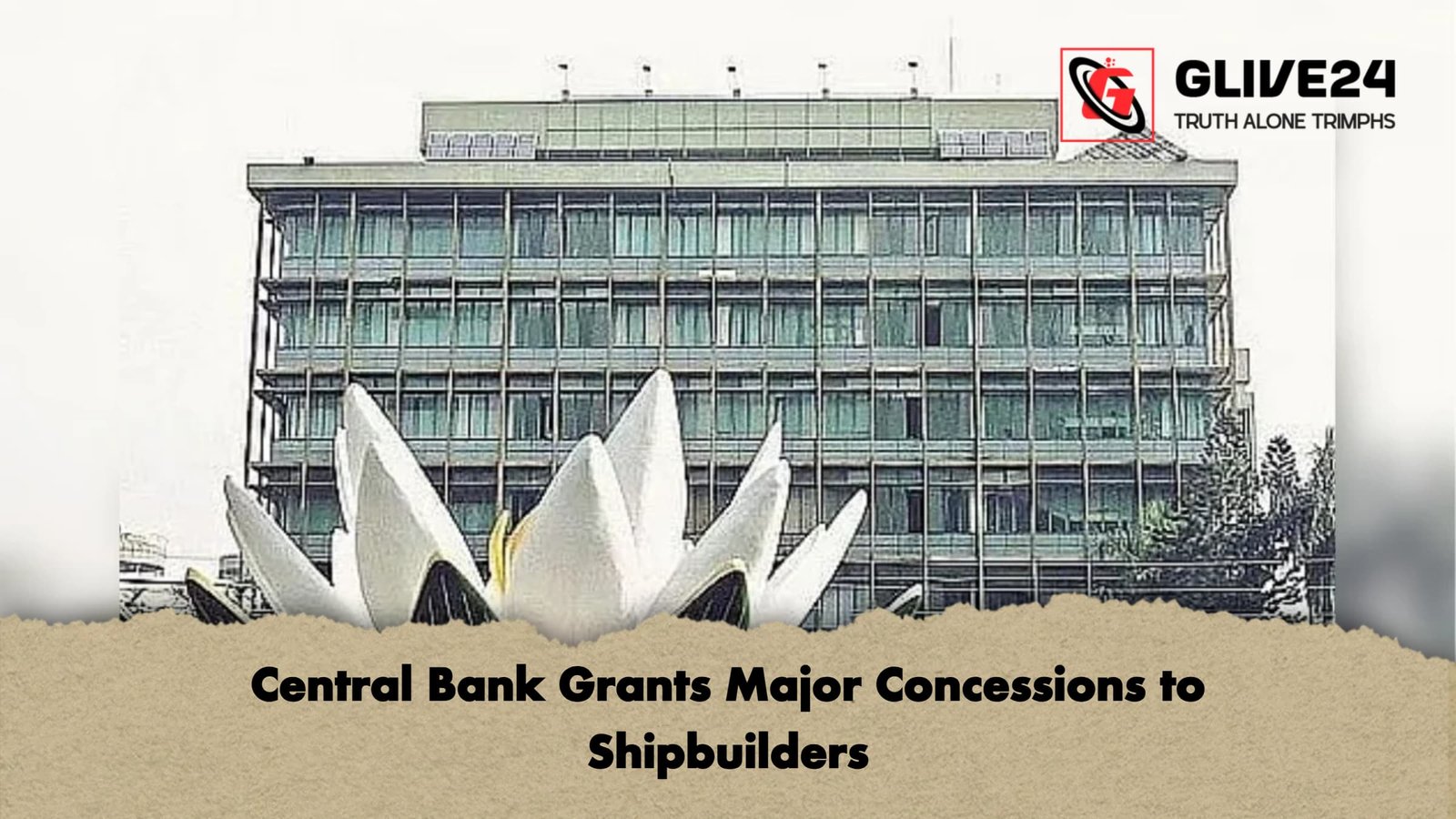
In a significant intervention aimed at safeguarding the maritime industry, Bangladesh Bank has introduced a landmark debt-restructuring policy for both export-oriented and local shipbuilders. Effective immediately, the new regulations allow struggling maritime entrepreneurs to regularise defaulted loans with a nominal upfront payment, providing a much-needed lifeline to a sector crippled by global economic headwinds.
Table of Contents
The central bank’s directive, issued on Tuesday, 20 January 2026, explicitly acknowledges that the shipbuilding sector’s current liquidity crisis is largely a result of “factors beyond its control.” The policy highlights that the industry’s cash flow has been severely impacted by the global economic downturn, heightened geopolitical volatility, and military unrest in Europe, all of which have caused unprecedented disruptions to international supply chains.
By easing the burden of debt, the regulator seeks to maintain the operational continuity of shipyards and protect the thousands of skilled jobs tied to this high-value engineering sector.
| Policy Attribute | Detail and Terms |
| Down Payment Total | 3% of the outstanding debt balance |
| Application Window | Open until 30 June 2026 |
| Down Payment Split | 1.5% at application; 1.5% within 6 months of approval |
| Total Term Length | Up to 10 Years |
| Grace Period | 2 Years (Interest-only payments) |
| Exclusions | Fraudulent loans and wilful defaulters |
Under the special policy, loans classified as defaulted as of 31 December 2025 are eligible for restructuring. The 3% down payment requirement is a substantial reduction from standard central bank regulations. Furthermore, the interest accrued on these loans—both suspended and unapplied—will be transferred to a “blocked account.”
During the initial two-year grace period, borrowers are only required to settle the interest on the principal amount on a monthly or quarterly basis. Once this period concludes, the principal must be repaid over the remaining eight years. The interest stored in the blocked account will eventually be settled in interest-free instalments following the grace period.
To prevent the abuse of these concessions, the central bank has placed the onus of verification on commercial banks. Lenders are required to perform “special inspections” to confirm that the borrower’s financial failure was indeed caused by external macroeconomic conditions rather than internal mismanagement.
The circular also warns that any failure to meet the revised repayment schedule will lead to the immediate reclassification of the loan as defaulted. In such instances, the borrower will be permanently barred from any future rescheduling or restructuring facilities. Banks are mandated to resolve all submitted applications within a 60-day timeframe, ensuring that the relief reaches the industry without administrative delay.




Comments