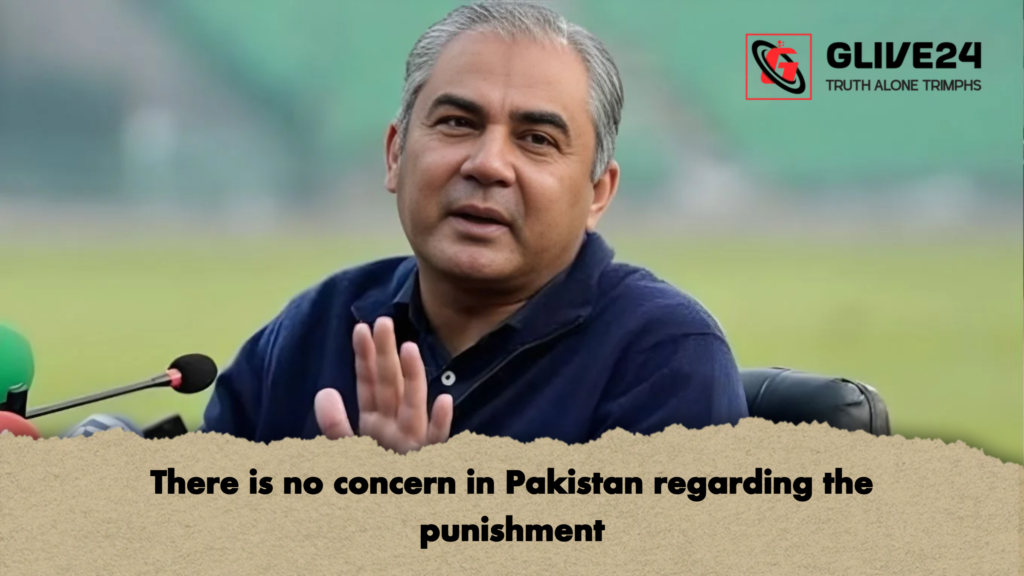
With just two days remaining until the start of the World Cup, political and sporting tensions surrounding the India-Pakistan fixture continue to simmer. The controversy erupted after the Bangladesh team was removed from its match against India, and fast bowler Mustafizur Rahman was excluded from the IPL. The subsequent decision to replace Bangladesh with Scotland in the tournament further heightened the dispute, which has now taken a fresh turn with Pakistan’s decision to boycott their group-stage match against India.
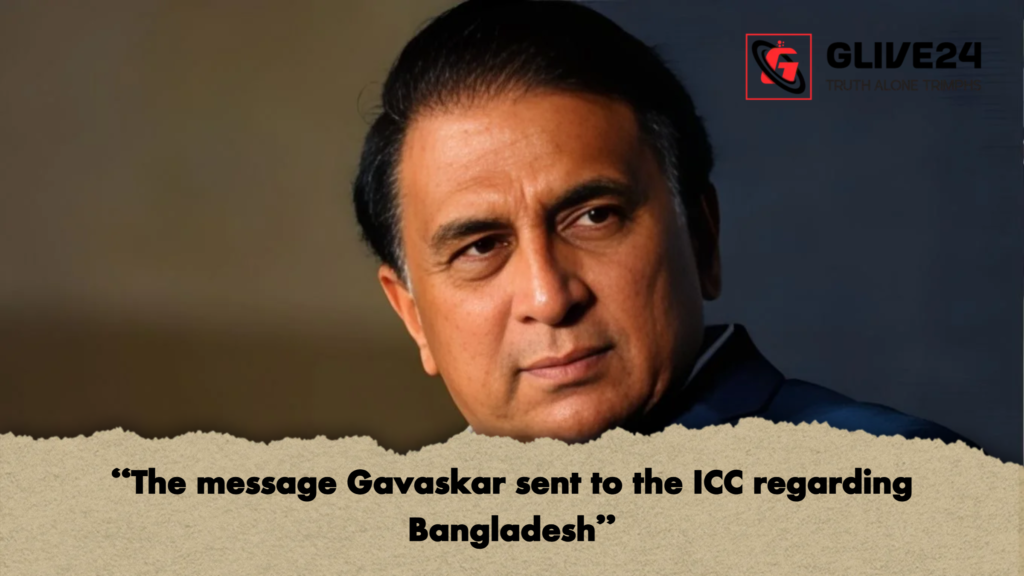
Amid this backdrop, legendary Indian cricketer Sunil Gavaskar has issued a cautionary message to the International Cricket Council (ICC), urging it to adopt preventative measures to avoid similar conflicts in future tournaments.
Historical Context of India-Pakistan Cricket Relations
The political rivalry between India and Pakistan stretches back decades. For much of cricket’s modern history, this tension had limited impact on bilateral cricketing ties. However, the situation began to shift around a decade ago. In the 2012–13 season, Pakistan toured India for two T20s and three One-Day Internationals—the last full bilateral series between the nations. Since then, India and Pakistan have only faced each other in ICC and Asian Cricket Council events.
Matches between the two sides are highly lucrative, both commercially and in terms of viewership. Consequently, the ICC has typically attempted to schedule India and Pakistan in the same group to maximise interest. However, the Bangladesh exclusion and Mustafizur Rahman’s IPL omission escalated tensions, prompting the ICC to replace Bangladesh with Scotland—a move perceived by Pakistan as discriminatory.
| Issue | Key Details |
|---|---|
| Controversy Trigger | Bangladesh removed from World Cup match vs India; Mustafizur Rahman dropped from IPL |
| ICC Action | Replaced Bangladesh with Scotland in the tournament |
| Pakistan’s Response | Initially considered a full World Cup boycott; ultimately skipped group match vs India |
| Historical Context | Last bilateral series: 2012–13; matches since then only in ICC/Asian Cricket Council tournaments |
| Gavaskar’s Advice | Avoid placing India and Pakistan in the same group to prevent future conflicts |
Gavaskar’s Warning
Speaking to India Today, Gavaskar emphasised that the ICC must proactively prevent such disputes. He argued that, rather than deliberately placing India and Pakistan in the same group, tournaments should proceed according to standard draws. He noted that in the 2007 ODI World Cup, India and Pakistan had the potential to meet at various stages, but being in separate groups prevented any conflict. Despite this, the ICC has continued to favour scheduling them together.
Gavaskar also criticised Pakistan’s recent approach. He suggested that the team’s performance against India has revealed vulnerabilities and inconsistencies. According to him, if the India-Pakistan match does not take place, India automatically gains two points, while their competitive intensity against Pakistan may diminish, especially considering India’s recent dominance over its neighbour.
As the World Cup begins, the unfolding scenario underscores the delicate balance between cricketing excitement and geopolitical sensitivities—a challenge the ICC must navigate with greater foresight.