
Khabor Wala Desk
Published: 6th February 2026, 12:43 PM
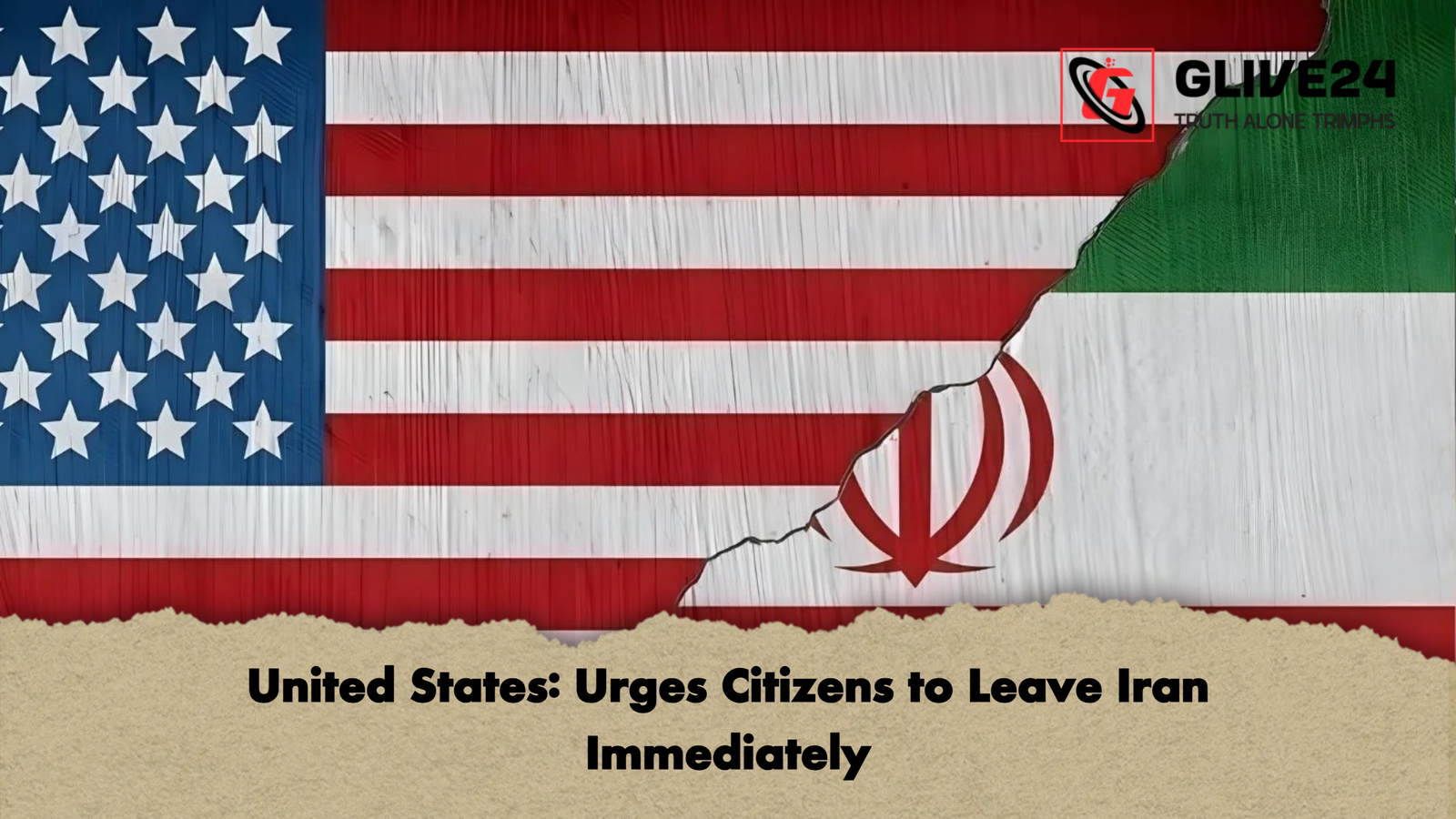
Amid rising tensions and fears of a potential military confrontation, the United States has issued an urgent advisory for its citizens to leave Iran without delay. This warning comes ahead of scheduled diplomatic talks between Washington and Tehran in Oman on Friday, 6 February.
According to reports from Iran International and India Today, the US State Department has alerted American nationals residing in Iran to depart immediately, citing ongoing unrest and significant disruptions to travel and communication within the country. Citizens have been advised to prepare for departure independently, without relying on US government assistance.
The US Virtual Embassy in Iran highlighted the mounting security threats, restrictions on communications, and uncertain transportation links, noting that such conditions “pose a serious risk to the safety of US citizens.”
The warning coincides with renewed diplomatic efforts between the two nations. Officials indicated that, after nearly nine months, formal US–Iran nuclear discussions are set to resume. The talks are scheduled to begin at 10:00 AM Oman time in Muscat, signalling a potential, albeit cautious, search for diplomatic solutions despite the heightened risks. Analysts suggest that the resumption of dialogue demonstrates both countries’ willingness to explore negotiations even amidst ongoing regional tensions.
The timing of these discussions is particularly significant, coming after violent government crackdowns on anti-government protests across Iran, which have drawn international criticism, including from the United States. Initial uncertainty over the location and scope of the talks had raised concerns that the negotiations might collapse before they even began.
As part of efforts to reduce regional tensions, mediators from neighbouring countries have facilitated this dialogue. While the US and Iran remain at odds on key issues, there is cautious optimism that a successful outcome could establish a framework for continued diplomatic engagement.
The United States has emphasised that discussions should cover Iran’s ballistic missile programme, support for regional armed groups, and the treatment of its citizens, alongside the nuclear programme. Iran, however, maintains that talks will be limited strictly to nuclear issues. The extent to which these differences will be reconciled remains unclear.
Tensions have escalated to the point where US President Donald Trump threatened military action against Iran if no agreement is reached swiftly, while Iran has vowed to respond with force, including potential attacks on US military assets in the Middle East and Israel.
The delegations are led by Iranian Foreign Minister Abbas Araghchi for Tehran, who has already arrived in Oman’s capital, Muscat, according to BBC Persian. The US team will be represented by Special Envoy Steve Wittkoff and Jared Kushner, President Trump’s son-in-law.
Key Details of the Diplomatic Talks:
| Item | Details |
|---|---|
| Date & Time | Friday, 6 February, 10:00 AM Oman time |
| Location | Muscat, Oman |
| Iranian Delegation Leader | Foreign Minister Abbas Araghchi |
| US Delegation Leaders | Special Envoy Steve Wittkoff, Jared Kushner |
| Main Discussion Topics | Nuclear programme, ballistic missiles, regional armed groups, treatment of citizens |
| Security Advisory | US citizens urged to leave Iran immediately |
This high-stakes diplomatic engagement comes at a time of unprecedented tension, with both sides signalling the gravity of the situation while pursuing a delicate path of negotiation that could determine regional stability.



Comments