
Khabor Wala Desk
Published: 7th February 2026, 1:07 PM
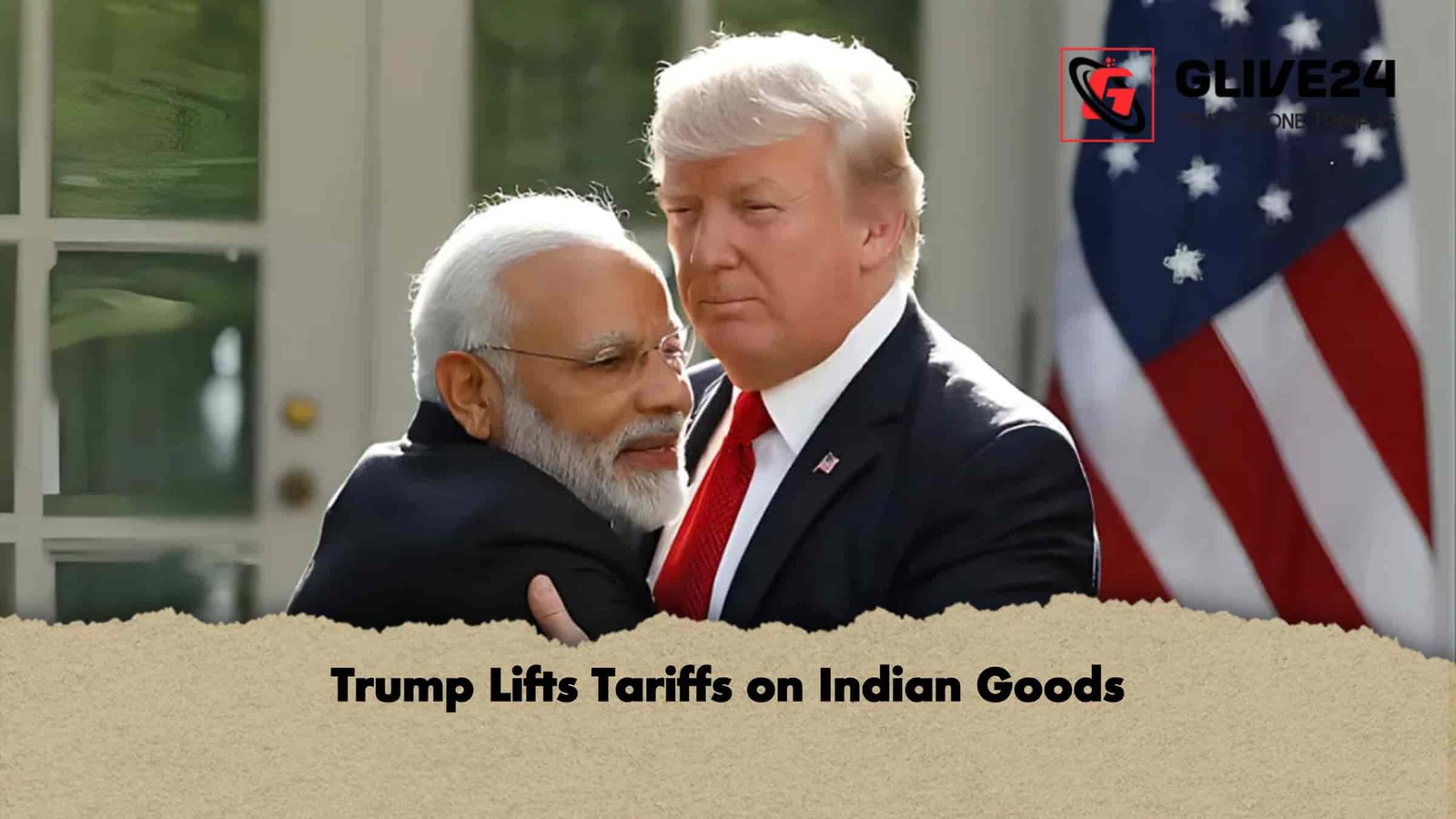
In a landmark move aimed at strengthening bilateral trade ties, United States President Donald Trump has formally withdrawn the additional 25 per cent tariffs previously imposed on Indian goods. The decision follows India’s recent commitment to halt crude oil imports from Russia and forms a central component of the newly announced U.S.–India trade agreement.
According to an executive order issued from the White House on Friday, “India has committed to cease direct or indirect imports of Russian crude oil.” Under the framework of this agreement, India will gradually increase the purchase of energy products from the United States over the next decade and participate in initiatives to enhance defence cooperation between the two nations.
The tariff rollback took effect at 12:01 a.m. local time on Saturday. As part of the phased implementation, U.S. tariffs on selected Indian goods will be reduced from 25 per cent to 18 per cent. Priority will be given to aircraft and aircraft components, with subsequent reductions applying to other sectors. Over the next five years, India plans to import goods worth approximately USD 50 billion from the United States, spanning energy, aviation, technology products, precious metals, and coal.
A summary of the tariff changes is presented in the table below:
| Product Category | Previous Tariff Rate | New Tariff Rate | Implementation Timeline |
|---|---|---|---|
| General Indian goods | 50% | 25% | Immediate |
| Selected aircraft & parts | 50% | 18% | Phased |
| Other Indian exports | 50% | 18% | Phased |
Wendy Cutler, Vice President of the Asia Society Policy Institute, commented that the reduction to 18 per cent provides Indian exporters a competitive advantage in the U.S. market, compared with tariff rates of 19–20 per cent applied to other South Asian countries.
Analysts suggest that the measure could help ease diplomatic tensions surrounding India’s energy imports from Russia while reinforcing the personal and political rapport between President Trump and Prime Minister Narendra Modi. Trump has previously referred to Modi as a “close friend,” highlighting the strength of their bilateral relationship.
The new tariff regime is expected to bolster India’s position in global trade and promote a long-term, stable economic relationship with the United States. It marks a significant milestone in bilateral cooperation across energy, defence, and commercial sectors, reinforcing the strategic partnership between the two democracies.



Comments