
Khabor Wala Desk
Published: 8th February 2026, 9:01 PM
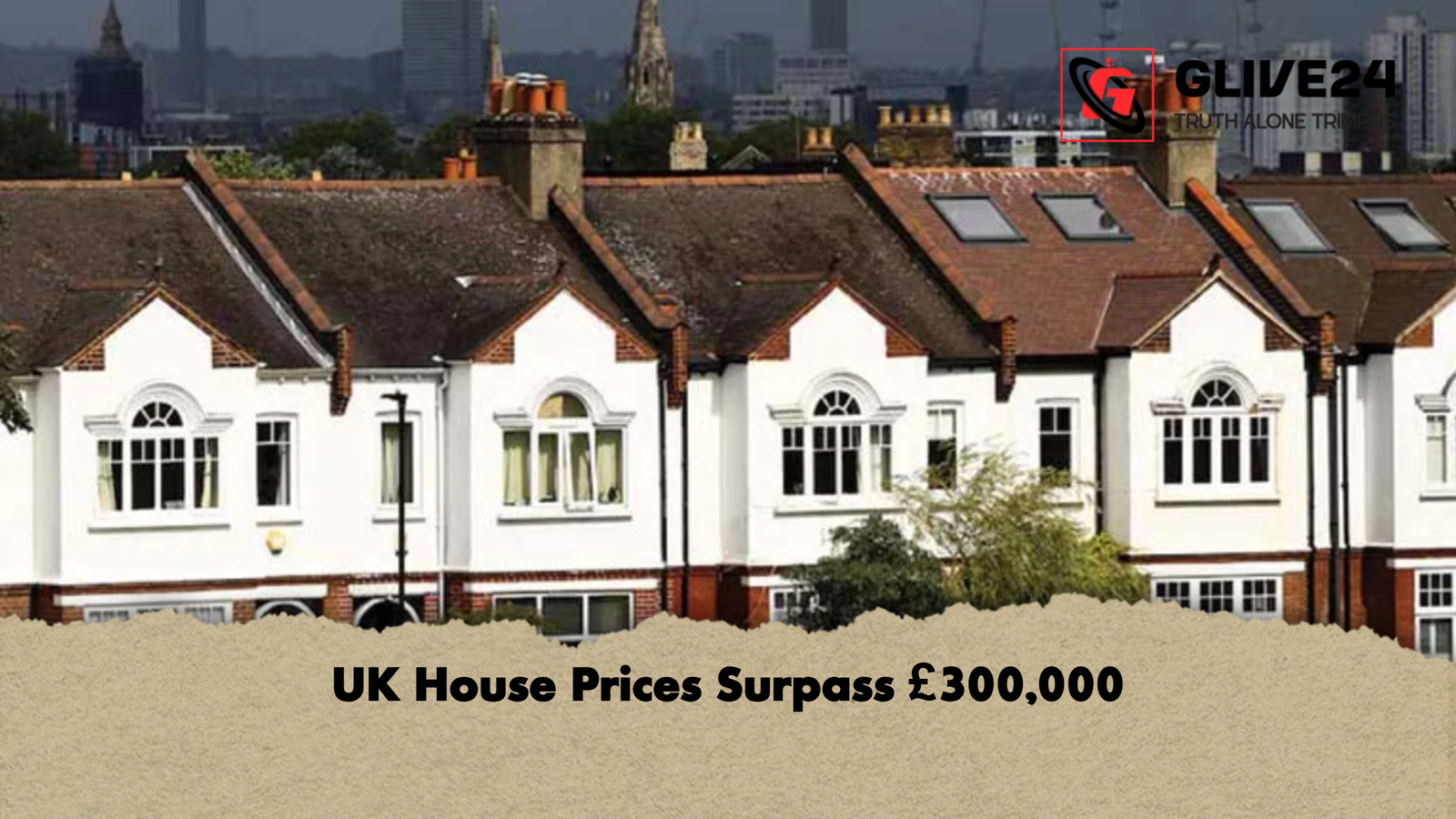
The average price of a home in the United Kingdom has exceeded £300,000 for the first time on record, marking a symbolic milestone for the property market at the start of 2026. According to the latest figures from mortgage lender Halifax, house prices rose by 0.7 per cent in January compared with the previous month — the fastest monthly increase since November 2024. On an annual basis, prices were up by 1 per cent.
Halifax reported that the housing market had shown signs of slowing in the run-up to Christmas, a period typically characterised by reduced activity. However, the market regained momentum in the new year, buoyed by improved buyer sentiment and relatively stable economic conditions. Amanda Bryden, Head of Mortgages at Halifax, described the market as “stable” at the outset of 2026. She noted that surpassing the £300,000 threshold was a significant development, reflecting underlying resilience. Nevertheless, affordability remains a pressing challenge for many prospective buyers. Halifax forecasts that house prices could rise by between 1 and 3 per cent over the course of the year.
In contrast, rival lender Nationwide reported a lower average house price of £270,873. Variations between lenders’ data are common, reflecting differences in methodology, sample size and the types of properties included in their calculations.
| Indicator | Latest Figure |
|---|---|
| Average price (Halifax) | £300,000+ |
| Monthly growth (January) | 0.7% |
| Annual growth | 1% |
| Average price (Nationwide) | £270,873 |
| Bank of England base rate | 3.75% |
| Pandemic growth (2020–2023) | ~19% |
| Growth over past three years | 5.7% (£16,000) |
The recent stabilisation in prices has been influenced in part by monetary policy. Although the Bank of England has held its base rate at 3.75 per cent amid lingering inflationary pressures, previous rate reductions have helped ease mortgage costs. Economists anticipate that further rate cuts may follow in the coming months, which could stimulate borrowing and housing demand.
Regionally, Northern Ireland recorded the strongest annual price growth, with values rising by 5.9 per cent to an average of £217,206. Scotland also posted robust growth of 5.4 per cent, while Wales saw a more modest increase of 0.5 per cent. Within England, the North West emerged as the best-performing region in terms of price growth, underlining persistent regional disparities in the property market.
Analysts suggest that rising wages, improved mortgage availability and expectations of lower borrowing costs have encouraged renewed buyer activity. However, the pace of growth remains measured compared with the surge witnessed during the pandemic years, when the market expanded by approximately 19 per cent between 2020 and 2023. Over the past three years, average house prices have risen by just 5.7 per cent, or roughly £16,000 — a considerably slower trajectory.
Karen Noye, mortgage expert at the financial advisory firm Quilter, argues that even if interest rates fall further, the market is unlikely to experience a sudden spike in prices. Instead, she anticipates steady and sustainable growth.
While breaking the £300,000 barrier is a landmark moment, the broader picture suggests a housing market navigating a careful balance between resilience and affordability constraints — a dynamic likely to define the year ahead.



Comments