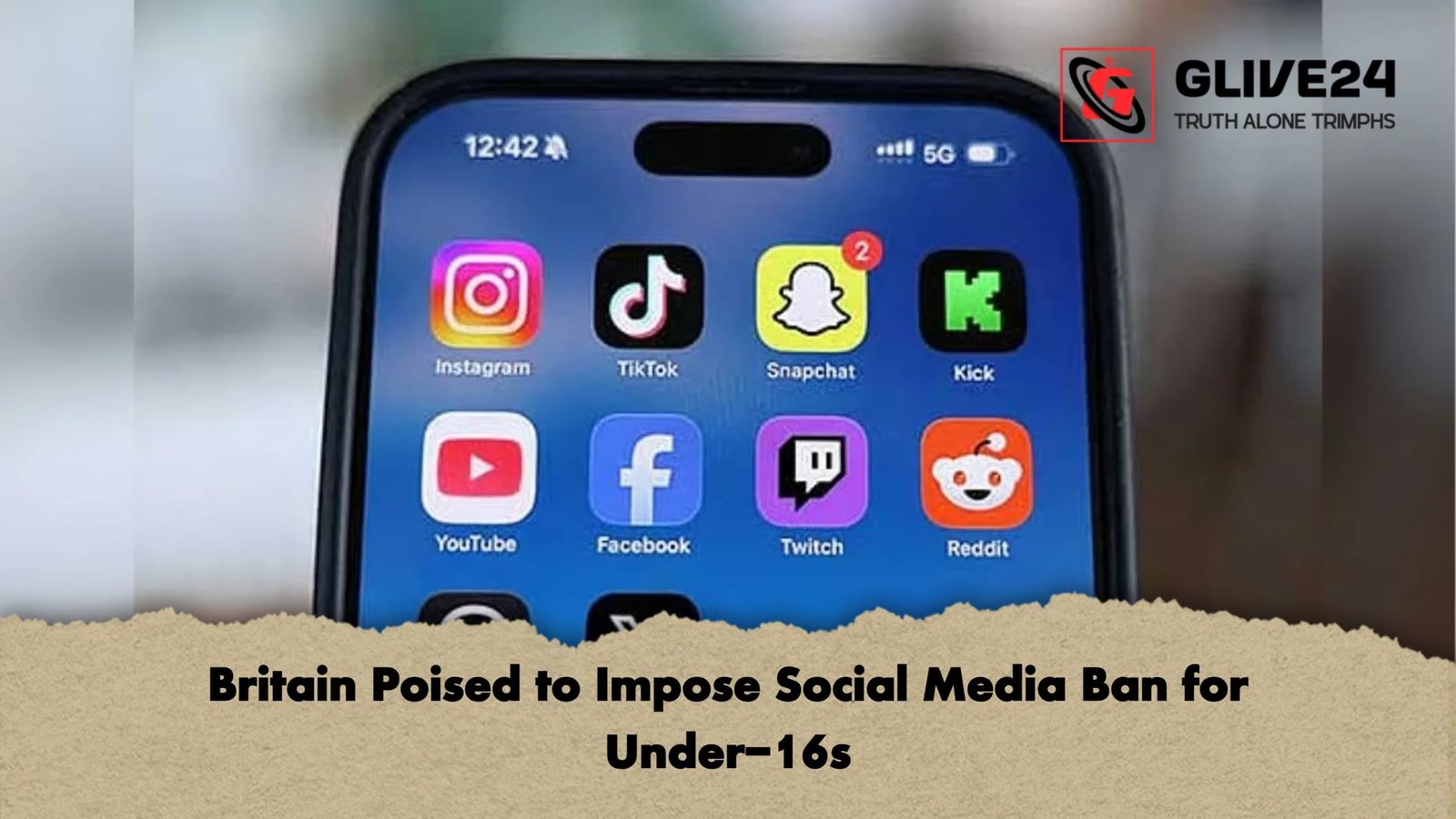
Following the trailblazing path set by Australia, the United Kingdom is moving closer to a total prohibition of social media for children under the age of 16. In a pivotal session on Wednesday, the House of Lords voted in favour of a restrictive amendment to current legislation, significantly heightening the pressure on Prime Minister Sir Keir Starmer to act decisively against “Big Tech.”
Table of Contents
A Cross-Party Mandate for Change
The amendment was introduced by Conservative peer Lord John Nash and secured a convincing victory with 261 votes against 150. Remarkably, the proposal drew support from across the political spectrum, with members of both the Liberal Democrats and the governing Labour Party breaking ranks to support the measure.
Lord Nash framed the vote as a moral imperative, asserting that Parliament had finally chosen to “prioritise the future of our children” over the interests of digital platforms. He argued that the legislation is a necessary intervention to stop the “terrible harm” being inflicted on the mental health of the younger generation.
Global Comparison: Youth Social Media Restrictions
| Country | Age Limit | Legal Status | Enforcement Mechanism |
| Australia | Under 16 | Enacted (Dec 2025) | Heavy fines for platforms |
| United Kingdom | Under 16 | In Progress | Online Safety Act amendments |
| United States | Varies by State | Contested / Pending | Parental consent models |
| France | Under 15 | Parental Consent Required | “Digital Majority” laws |
Starmer’s Dilemma: Protection vs. Consultation
Despite the clear signal from the Lords, the Prime Minister’s office at Downing Street initially indicated it would not adopt the amendment. Sir Keir Starmer has maintained a cautious stance, stating that while he is “not ruling anything out,” his government prefers to wait for the findings of an upcoming summer consultation.
However, the political climate is shifting rapidly. More than 60 Labour MPs have already urged the Prime Minister to back the ban, and high-profile celebrities, including actor Hugh Grant, have joined the outcry. These advocates argue that the sophisticated algorithms used by social media companies are designed to be addictive, making it impossible for parents to safeguard their children without state-level enforcement.
Public Sentiment and the Path Forward
Public opinion in Britain appears overwhelmingly settled on the issue. Data from a recent YouGov survey reveals that 74% of citizens support a ban for under-16s. The debate now moves to the House of Commons, where the government must decide whether to fight the amendment or concede to a growing consensus that current online safety measures are insufficient.
The proposed ban would require platforms to implement rigorous age-verification technologies. While critics worry about digital privacy and the potential isolation of young people, proponents argue that the catastrophic rise in adolescent anxiety and depression linked to social media use justifies a “safety-first” approach.