
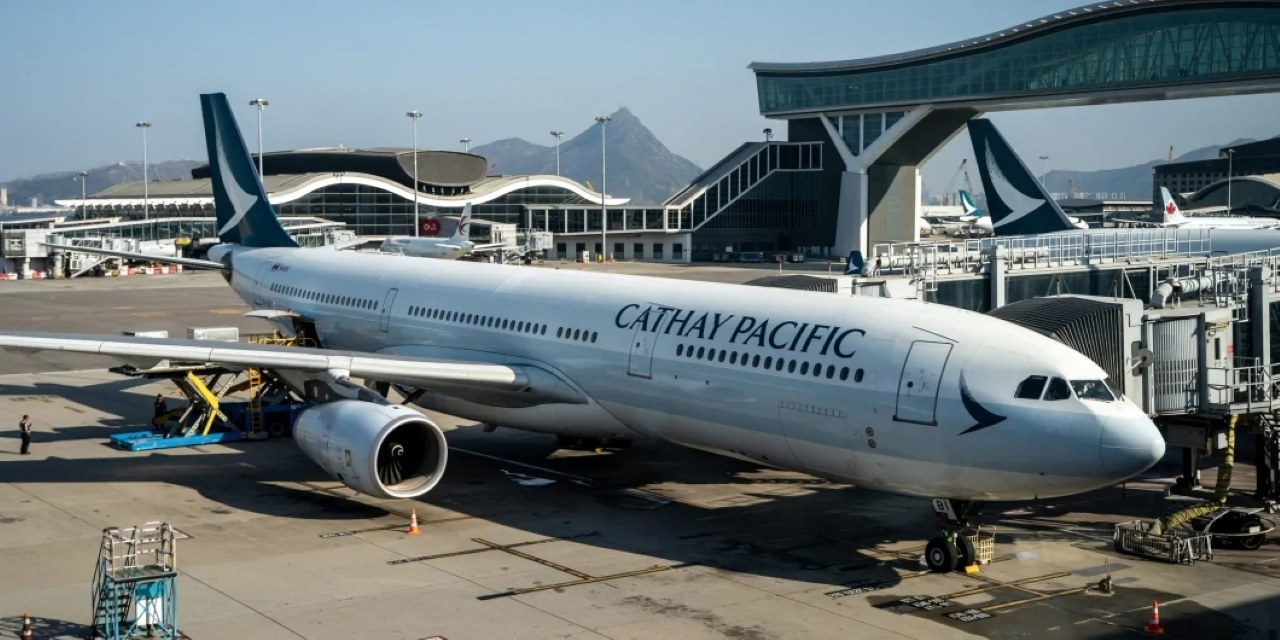
Cathay Pacific is in discussions with Airbus over the possible introduction of reduced-crew operations on long-haul flights, according to industry sources cited by Reuters. The concept would allow only one pilot to remain in the cockpit during cruise at high altitude, while the other rests, as part of a programme known within Airbus as Project Connect.
The initiative is focused on gaining certification for single-pilot cruise operations on the Airbus A350. If technical, regulatory and operational hurdles are overcome, passenger flights using this model could begin around 2025. However, overall journey times would only be reduced if at least two pilots were able to take scheduled rest periods, rather than the current practice of carrying three or four pilots on long-haul routes.
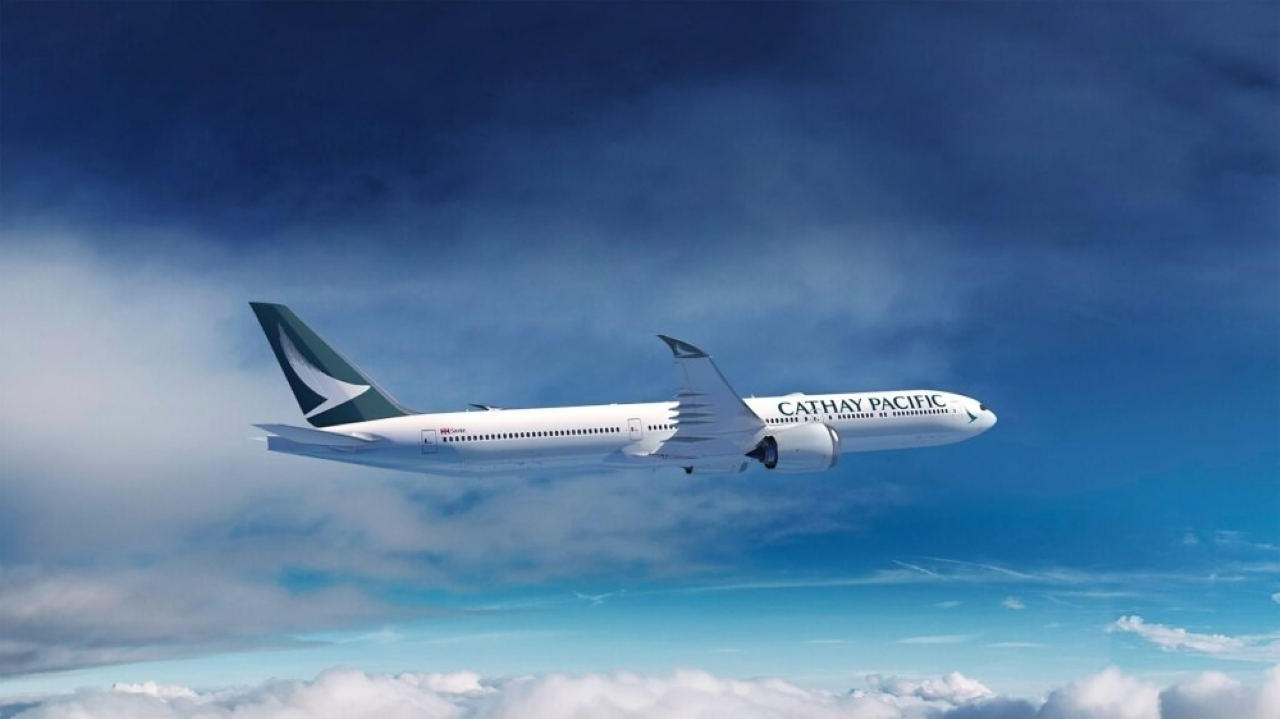
The reduced-crew model is primarily aimed at lowering operating costs at a time when airlines are still grappling with the uncertain economics of international travel in the post-pandemic era. Nonetheless, the proposal faces strong resistance from pilot unions and raises questions about aircraft automation and safety, particularly in light of recent job losses among flight crews.
Cathay Pacific confirmed that it is participating in discussions with Airbus but stressed that no final decision has been taken.
“While we are discussing the concept of reduced crew operations with Airbus, we have not committed to being the launch customer,” the airline said. “Before any commercial implementation is considered, it would require extensive testing, regulatory approval and pilot training, with no compromise on safety. The suitability and cost-effectiveness of any such rollout will ultimately depend on how the pandemic evolves.”
Airbus, for its part, has said it plans to integrate single-pilot functionality into the A350 platform. Development work, which was paused during the COVID-19 crisis, has since resumed. Chief Test Pilot Christophe Cail noted that modern aircraft technology can enhance safety, adding that airlines are consulted on all major design changes, though he did not identify specific partners.
Regulatory Oversight and Safety Concerns
The European Union Aviation Safety Agency (EASA) has stated that any safe deployment of reduced-crew operations would require advanced onboard systems capable of continuously monitoring the solo pilot’s alertness and vital signs. In the event of incapacitation or an emergency, the resting pilot would be summoned back to the cockpit within minutes. Both pilots would still be present during take-off and landing.
EASA Executive Director Patrick Ky has argued that cockpit activity during cruise on long-haul flights is typically minimal, making the concept technically feasible if adequate safeguards are in place. However, he has also acknowledged a “significant risk” that the proposed 2025 rollout could be delayed. EASA plans to conduct consultations and certification activities, though timelines remain uncertain.
Pilot groups have been sharply critical. The European Cockpit Association warned that cost-cutting measures could increase operational risks, noting that single-pilot operations are currently limited to aircraft carrying nine passengers or fewer. Any broader adoption would also require approval from the International Civil Aviation Organization (ICAO) and agreement from countries whose airspace would be affected—China’s stance being particularly influential given Cathay Pacific’s position.
Technical Measures and Industry Response
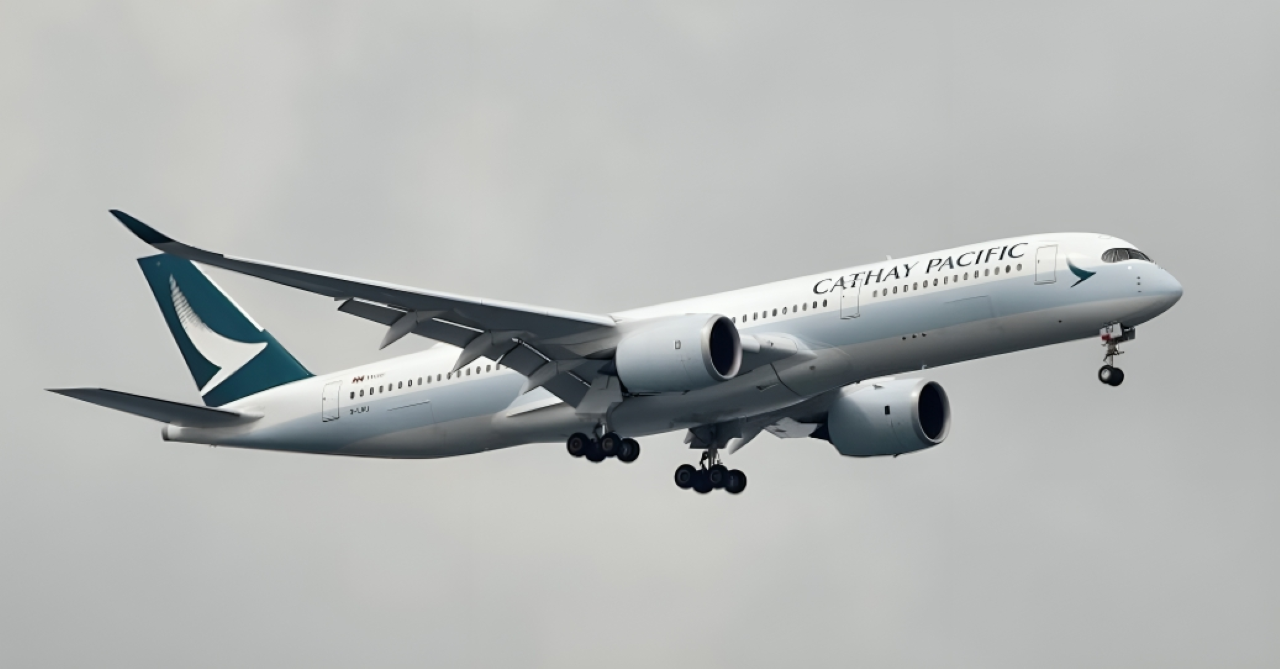
Sources familiar with the programme say Airbus is developing upgrades to the A350’s autopilot and warning systems to assist a single pilot during emergencies. Features such as automatic emergency descent in the event of cabin depressurisation are seen as key enablers.
Not all airlines are convinced. Lufthansa has studied the concept but maintains it has no plans to implement single-pilot operations. A source close to the airline cited concerns that safety objectives could not be fully guaranteed, referencing past incidents such as the 2009 Air France Flight 447 crash, where system failures during cruise proved catastrophic. Lufthansa has clarified that it remains involved in Project Connect only in an advisory capacity.
Despite the controversy, some experts believe economic pressures—intensified by the pandemic—could accelerate automation in aviation. If regulators ultimately approve the concept, reduced-crew long-haul operations could become a wider industry trend, reshaping the future of commercial flight.