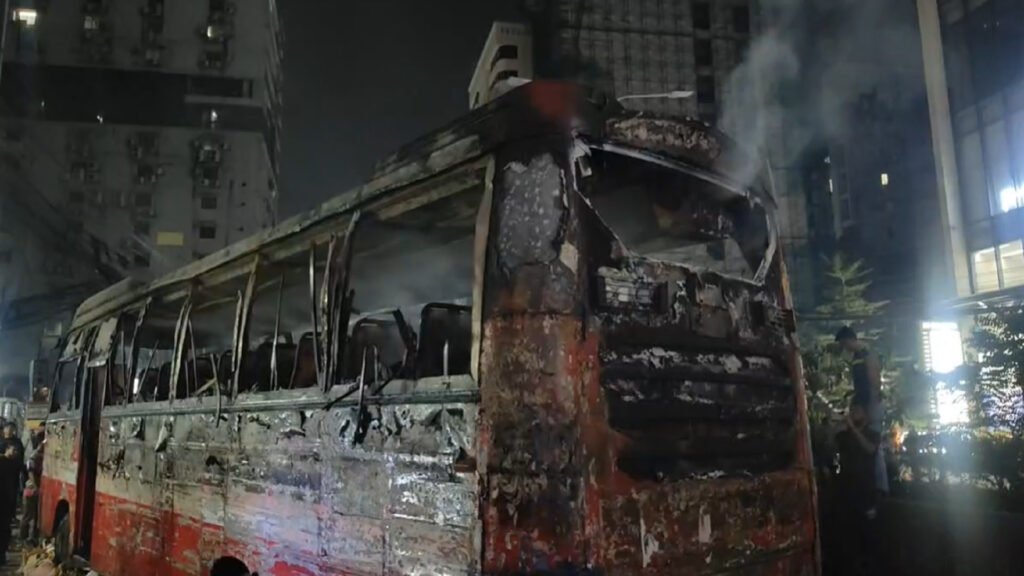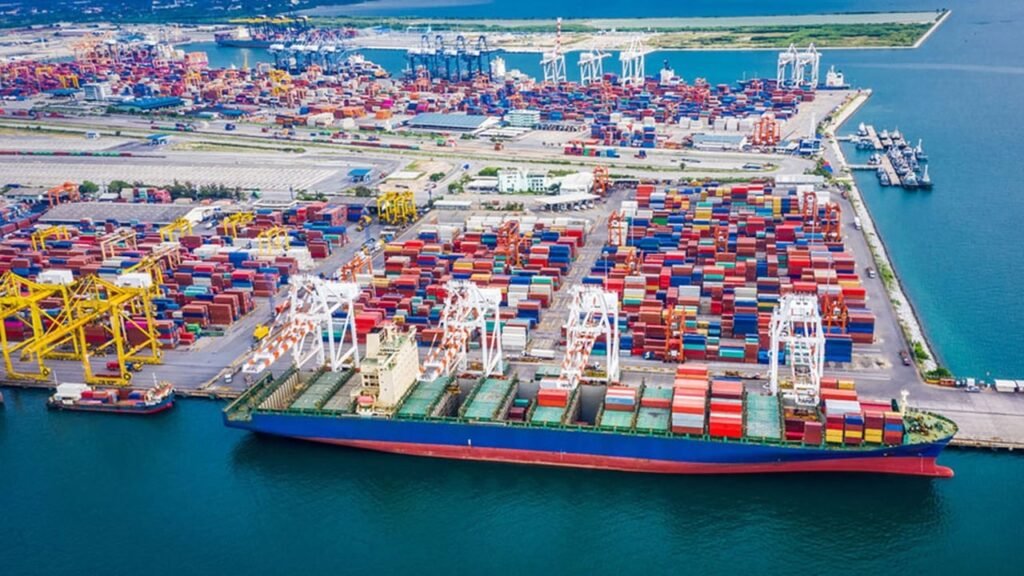
A wave of labour unrest is building around Chattogram Port as the Workers–Employees Unity Council (SCOPE) calls for a full blockade of the port’s main gates next Wednesday. The protest, scheduled for 10am to 1pm, will target the three busiest access points—Agrabad, Boropol and Milematha—in a bid to halt all port-bound transportation and draw national attention to what workers describe as a “dangerous move” to lease key port terminals to foreign operators.
The announcement came during a large workers’ convention, where senior labour leader Kazi Sheikh Nurullah Bahar accused the government of circumventing court orders and conducting clandestine negotiations. He warned that leasing out the New Mooring Container Terminal (NCT), Laldiar Char and Pangaon Terminal would undermine the country’s strategic control over its largest port and potentially threaten the livelihoods of thousands of workers.
Bahar claimed that despite a High Court order prohibiting further steps regarding NCT during ongoing litigation, government representatives were planning a set of high-level meetings with international logistics giant DP World between 25 and 27 November. According to him, the discussions would include legal vetting followed by a potential signing ceremony—moves he described as “a direct violation of the court’s clear instructions.”
Speakers at the convention stressed that the issue extends far beyond Chattogram, reflecting a nationwide trend of shrinking public-sector industries, controversial leasing policies and growing precarity for workers. Labour Reform Commission Chairman Syed Sultan Uddin Ahmed argued that the crisis called for a national declaration on labour rights, noting that protecting the port was as much a responsibility of business leaders as it was of workers.
SCOPE renewed its wide-ranging list of demands: independence for trade unions, a unified labour code, prevention of arbitrary dismissals, a minimum monthly wage of 30,000 taka, restoration of cost-of-living allowances, reopening of shuttered state factories, and an end to widespread outsourcing. Additional demands include guaranteed access to rations, housing, pension schemes, medical care, women’s hostels and unemployment benefits.
Labour leaders from various national federations voiced support for the blockade, warning that the plan to lease strategic port facilities to foreign operators could trigger large-scale industrial action unless withdrawn.