In a move that signals a fragile de-escalation in the burgeoning “tech war” between the world’s two largest economies, Beijing has announced a strategic suspension of its ban on the export of several critical materials to the United States. The Chinese Ministry of Commerce (MOFCOM) confirmed on Sunday that restrictions on gallium, germanium, and antimony—minerals integral to the global semiconductor supply chain—will be paused until 27 November 2026.
A Strategic Armistice in the Supply Chain Conflict
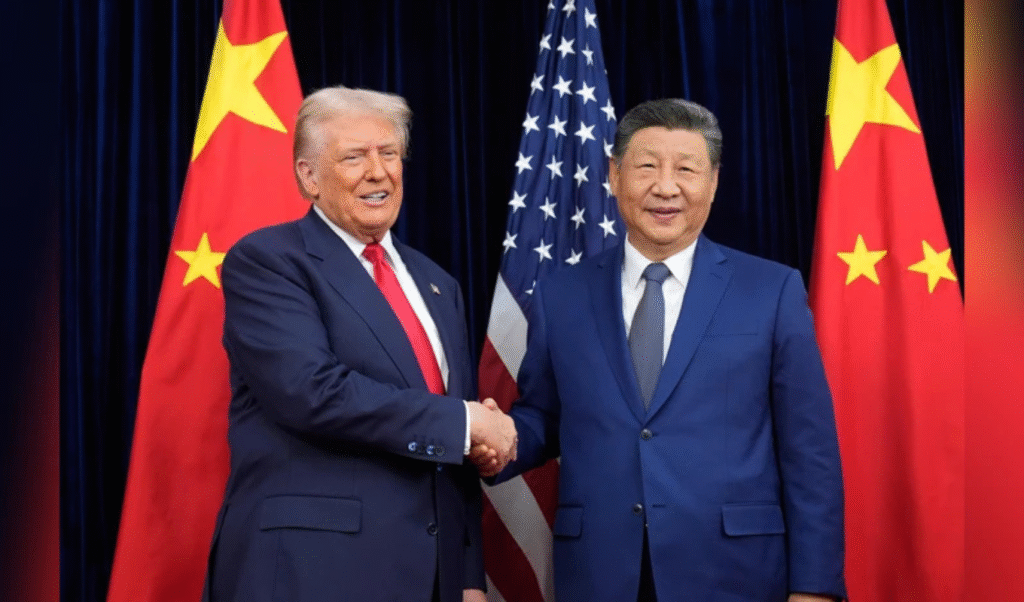
This unexpected policy shift follows a year of intense technological tit-for-tat. The ban was originally formalised in December 2024 as a retaliatory measure against American restrictions on high-end artificial intelligence chips and semiconductor manufacturing equipment. However, following high-level bilateral discussions—including a pivotal meeting between President Xi Jinping and President Donald Trump in Malaysia late last month—Beijing has opted for a “wait-and-see” approach.
Under the new directive, Chinese exporters may once again apply for licences to ship these “dual-use” materials to American commercial entities. Nevertheless, the suspension is not absolute. The Chinese government has meticulously maintained a strict prohibition on the sale of these materials to US military end-users or for any applications deemed to have a direct military purpose. This distinction allows Beijing to retain significant leverage while offering a temporary olive branch to the American civilian technology sector.
The Significance of the Three “Tech Metals”
The importance of these materials cannot be overstated. China currently dominates the global processing and refining of these elements, often controlling between 60% and 98% of the world’s refined supply. For American manufacturers of high-speed microchips, fibre-optic cables, and solar cells, the original ban posed a multi-billion-pound threat to domestic production.
| Element | Strategic Applications | China’s Global Production Share |
| Gallium | High-frequency semiconductors, AESA radar systems, LEDs | ~98% (Refined) |
| Germanium | Fibre-optic communications, infrared night vision, solar cells | ~60% |
| Antimony | Flame retardants, lead-acid batteries, military munitions | ~48% (Mined) |
Contextualising the “G2 Bargaining” Phase
Geopolitical analysts view this suspension as part of a broader “G2 bargaining” strategy. In exchange for China easing its grip on critical minerals, the Trump administration has reportedly softened its stance on certain tech exports, notably allowing Nvidia to resume sales of its H200 AI accelerators to the Chinese market—albeit under a novel revenue-sharing framework where the US government collects a percentage of each transaction.
The 2026 “sunset clause” in the suspension acts as a geopolitical fuse, ensuring that both nations remain at the negotiating table. If trade relations sour or if the US introduces further provocative chip curbs, Beijing reserves the right to “pull the plug” on the suspension at a moment’s notice.
For now, the global electronics market has reacted with a sigh of relief. The resumption of trade is expected to stabilise prices for raw materials that had seen volatile surges throughout 2025. However, Western governments continue to urge domestic firms to aggressively diversify their supply chains, wary that this temporary repriev