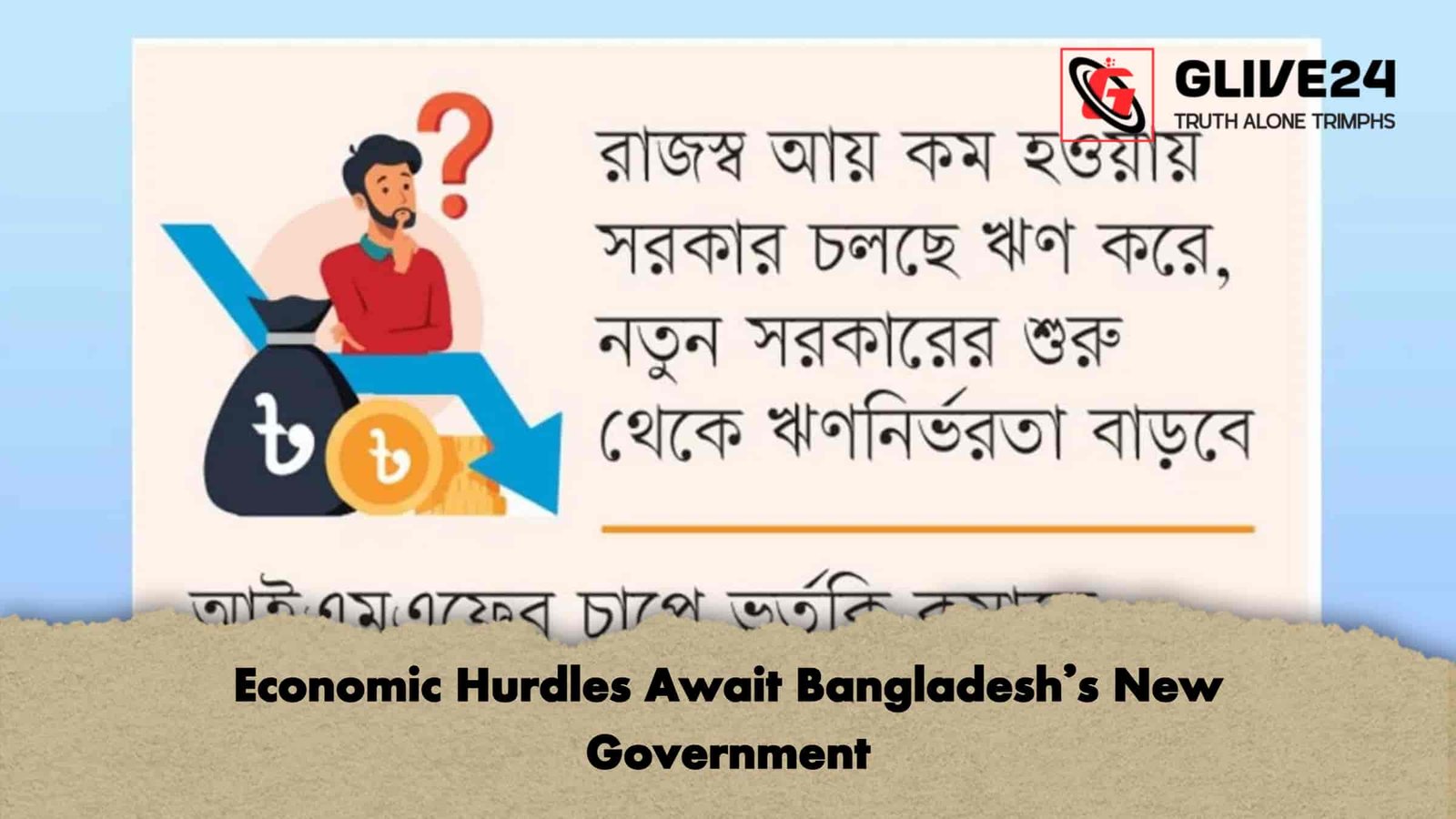
Bangladesh’s incoming administration faces a challenging economic landscape, inheriting a complex and fragile system rather than a period of stable growth. Rather than stepping into prosperity, the government must navigate high debt dependence, persistent inflation, and structural weaknesses that could constrain policy manoeuvres and development initiatives. Economists stress the urgent need to secure immediate political stability, restore business confidence, and implement coordinated strategies to stimulate investment and revenue growth.
Analyses by Bangladesh Bank, the International Monetary Fund (IMF), and the World Bank collectively highlight both obstacles and potential opportunities for the new administration. Translating these recommendations into actionable policies, however, will be a demanding task.
Bangladesh Bank has emphasised that post-election political stability will be pivotal in attracting investment. Avoiding disruptions in gas and electricity supply, reducing administrative red tape, and managing borrowing costs are critical to boosting private sector participation. Yet, with inflation currently at 8.58%, an immediate reduction of the policy interest rate is unlikely, limiting short-term monetary flexibility.
The following table summarises key economic challenges and their potential implications for the government:
| Challenge | Current Situation | Potential Impact |
|---|---|---|
| Political Stability | Expected improvement post-election | Easier attraction of domestic and foreign investment |
| Inflation | 8.58% | Immediate interest rate cuts not feasible |
| Debt Dependence | High | Limits on private sector borrowing |
| Revenue Collection | Low | Pressure on public spending and wage obligations |
| Banking Sector | Weak | Constraints on loan availability |
| Foreign Debt & Reserves | Improving | Facilitates remittances and industrial financing |
Dr Mostafa K. Muzeri, former Chief Economist of Bangladesh and Director of the Bangladesh Development Research Institute, commented: “Due to revenue shortfalls and deficits during the interim government, the new administration will inherit a substantial budget deficit. Restoring business confidence and boosting foreign investment could take at least two years.”
The World Bank notes that the post-election period may offer opportunities to stimulate domestic demand, which could support investment and infrastructure development. Success, however, depends on continuing ongoing reforms, broadening revenue generation, and ensuring financial accountability.
In summary, the new government’s principal economic challenges include controlling debt dependence, curbing inflation, ensuring political stability, increasing investment, and reforming revenue collection. Effectively addressing these issues could pave the way for phased economic recovery, enhanced investment, and sustainable employment growth, creating a foundation for long-term prosperity in Bangladesh.