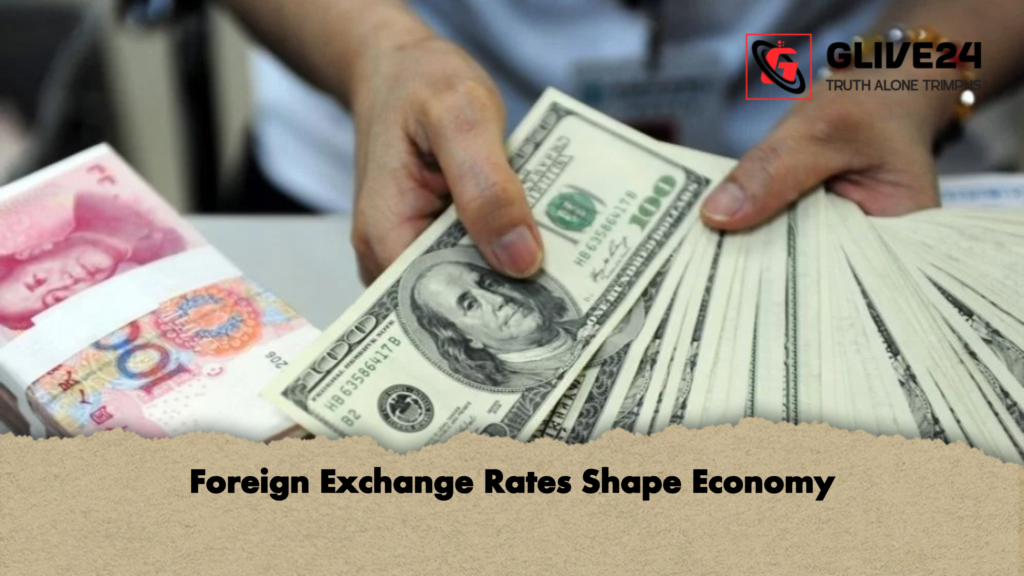
The daily movement of foreign exchange rates has become a matter of growing importance for Bangladesh’s economy, trade sector, and household incomes, driven largely by the expanding global footprint of Bangladeshi expatriates and the steady rise in international commercial activity. Remittances sent by overseas workers play a vital role in sustaining the country’s foreign currency inflows, while fluctuations in exchange rates directly influence import costs, export competitiveness, and overall macroeconomic stability.
As of Friday, 19 June 2026, the indicative exchange rates of major foreign currencies against the Bangladeshi Taka reflect ongoing global market dynamics. These rates are shaped by a combination of factors, including international demand and supply conditions, oil price movements, monetary policy decisions in major economies, and geopolitical developments. As such, they remain subject to frequent change.
Indicative Exchange Rates (19 June 2026)
| Foreign Currency | Bangladeshi Taka (BDT) |
|---|---|
| US Dollar (USD) | 122.75 |
| Euro (EUR) | 141.20 |
| British Pound (GBP) | 163.21 |
| Indian Rupee (INR) | 1.30 |
| Malaysian Ringgit (MYR) | 30.26 |
| Singapore Dollar (SGD) | 95.29 |
| Saudi Riyal (SAR) | 32.80 |
| Canadian Dollar (CAD) | 84.20 |
| Australian Dollar (AUD) | 86.12 |
| Kuwaiti Dinar (KWD) | 399.79 |
The strength of remittance inflows remains a cornerstone of Bangladesh’s foreign exchange stability. With more than ten million Bangladeshis living and working abroad, significant volumes of foreign currency continue to enter the domestic economy on a regular basis. These inflows, particularly from the Middle East, Europe, and Southeast Asia, provide essential support to household consumption, rural development, and the national foreign exchange reserves.
However, the exchange rate environment remains inherently volatile. International oil price fluctuations, shifts in global interest rates, and periods of geopolitical uncertainty frequently contribute to currency instability. Such volatility has a direct bearing on import expenditures, inflationary pressures, and the broader cost of living within the domestic economy.
Economists argue that maintaining long-term exchange rate stability requires a balanced economic strategy focused on increasing export earnings, sustaining remittance growth, and attracting greater levels of foreign direct investment. Equally important is the efficient management of foreign reserves, which acts as a buffer against external shocks and helps ensure financial resilience.
In essence, daily exchange rate movements are not merely statistical updates but a reflection of wider economic health and global integration. For businesses, policymakers, and ordinary citizens alike, keeping a close watch on currency trends is essential for informed financial decision-making and long-term economic planning.