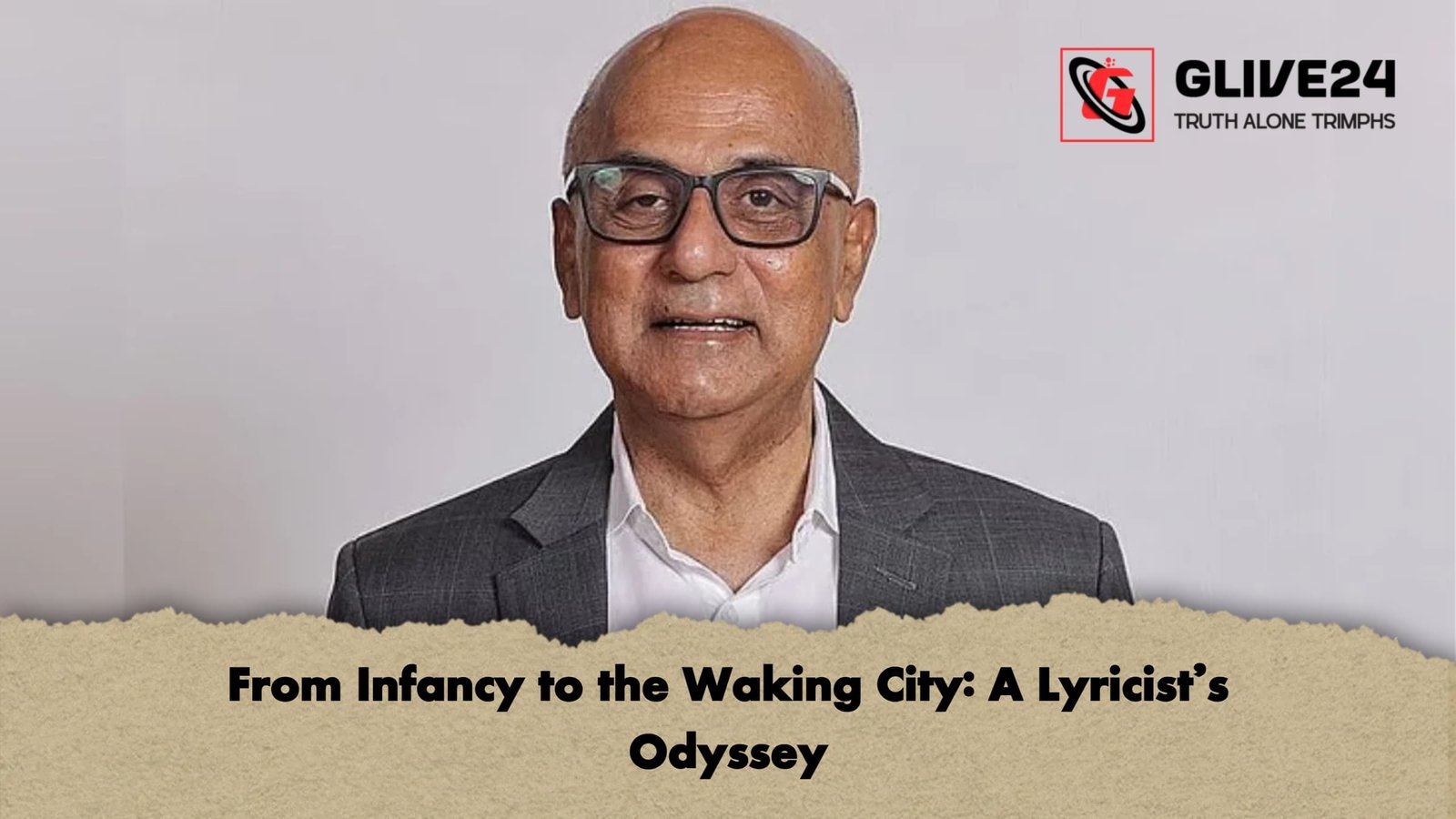
Born amidst the saline breezes of Chittagong, Shahid Mahmud Jangi eventually found his anchor in the cacophony of Dhaka. Throughout a diverse career spanning business, teaching, and advertising, he remained tethered to one core identity: a master lyricist. As he celebrates his birthday today (6 February), we reflect on a journey that shaped the very soul of modern Bangladeshi music.
Table of Contents
The Roots of a Cultural Architect
Born in 1956, Jangi’s upbringing was steeped in the “Sunday Soirees” of his family home, where Nazrul Sangeet and Baul melodies coexisted. His father, A.L. Chowdhury, was a prominent social reformer, yet the family adopted the surname “Jangi”—a nod to the spiritual lineage of Abdul Qadir Gilani—to shorten their formal titles.
His youth was a cinematic blend of rebellion and responsibility. A habitual truant who preferred public libraries to classrooms, Jangi’s life shifted when his headmaster cast him as “Montu” in a school play. This transformation from a runaway schoolboy to a focused stage performer marked the beginning of his creative discipline.
A Catalyst for the Band Music Revolution
Jangi was not merely a writer; he was a bridge between the emerging talent of Chittagong and the national stage. In the 1970s and 80s, Chittagong was a fertile ground for musical legends. Jangi acted as a mentor and “big brother” to figures who would define the industry.
| Artist/Band | Jangi’s Contribution | Landmark Song |
| Ayub Bachchu | Encouraged him to sing in Bengali | Harano Bikeler Golpo |
| Souls | Documented their first public show (1972) | Ekdin Ghum Bhanga Shohore |
| Pilu Khan | Provided lyrics for his debut as a composer | Aaj Je Shishu |
| Renaissance | Key lyricist for their socio-political hits | Hridoy Kadamati |
| Partha Barua | Mentored him during his early compositions | Ami Bhule Jai Tumi Amar No |
The “Blue Nile” Era and Iconic Anthems
Moving to Dhaka in 1985, Jangi established a boutique advertising firm, but his true office was the Blue Nile Hotel on Elephant Road. In the smoky haze of this legendary haunt, lines for songs like Jotin Sir-er Class-e were scribbled on napkins, capturing the nostalgia of 1980s urban student life.
Two of his songs stand as historical pillars:
“Aaj Je Shishu”: Born from the guilt of seeing homeless children shivering at railway stations, this song became a definitive socio-political anthem for the band Renaissance.
“Ekdin Ghum Bhanga Shohore”: Drafted inside a moving microbus on the way to a BTV recording, this track eventually became the opening manifesto for LRB’s debut album, marking Ayub Bachchu’s arrival as a solo powerhouse.
A Legacy Beyond Numbers
Jangi has never been one for accounting; many of his lyrics were given away freely, written for the moment. Yet, thirty years later, tracks like Somoy Jeno Kate Na and Tritiyo Bishwo remain “lines of life” for millions.
Following the pandemic, he took on the mantle of the founding president of the Lyricists Association of Bangladesh (GKB), fighting for the professional dignity and copyrights of his peers. Shahid Mahmud Jangi’s journey proves that a song is more than entertainment—it is a document of time, a fragment of history, and a companion to the human soul.