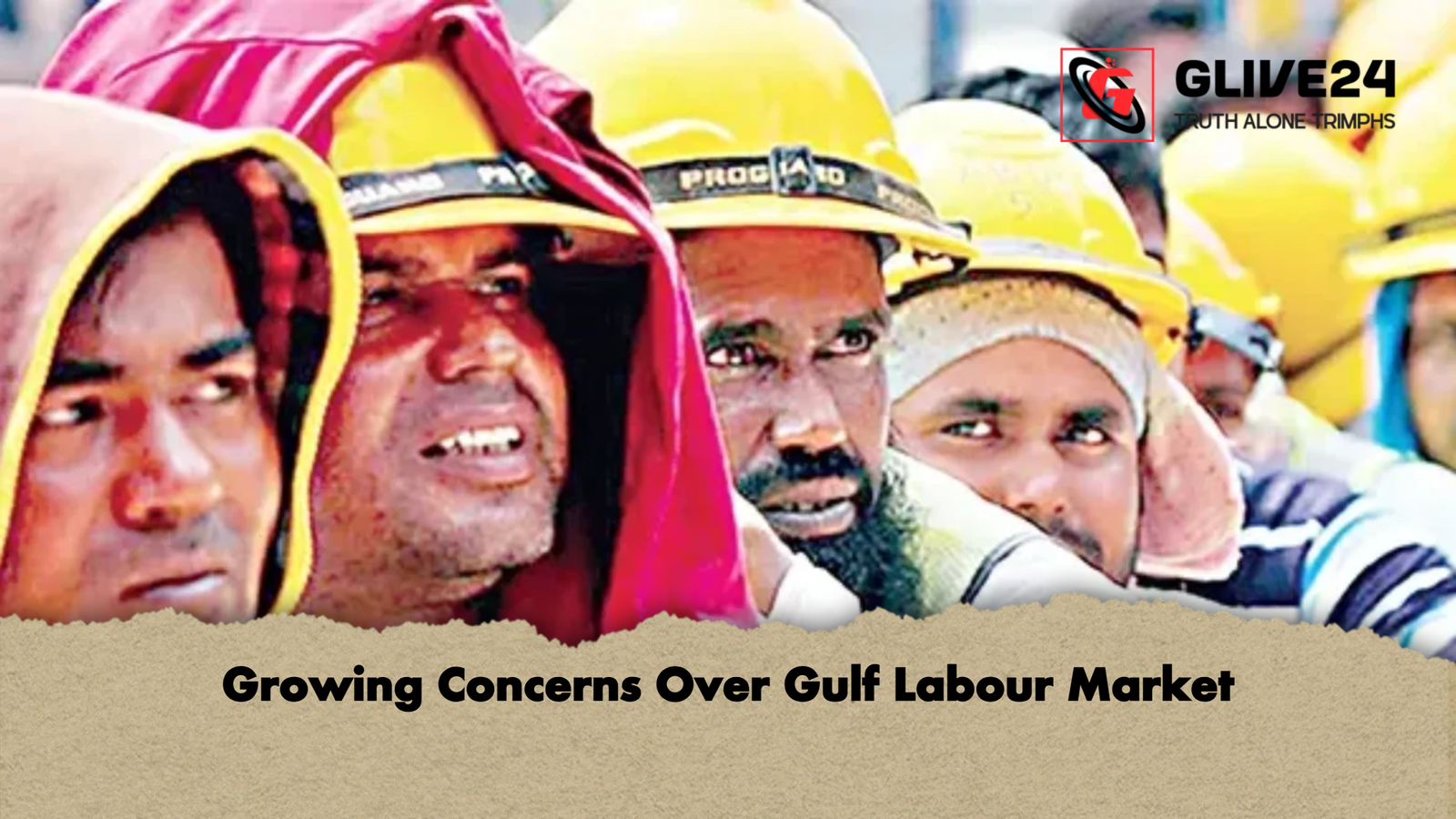
The escalating conflict in the Middle East has sent shockwaves through the Gulf’s economy and labour market, creating a critical situation for Bangladeshi migrant workers. Joint attacks by the United States and Israel on Iran have led to temporary airspace closures, widespread flight cancellations, and visa complications across the region. As a result, the movement of Bangladeshi workers to Gulf countries has largely stalled. Reports confirm that two Bangladeshi workers have died in the United Arab Emirates and Bahrain, while seven others have been injured. With nearly 4.5 million Bangladeshis employed across the six Gulf Cooperation Council (GCC) countries, the disruption threatens remittance flows vital to Bangladesh’s economy, intensifying anxiety among workers’ families.
According to official figures, the GCC nations—Saudi Arabia, United Arab Emirates, Qatar, Kuwait, Bahrain, and Oman—host approximately 4.5 million Bangladeshi workers, contributing around 45% of the country’s total remittance earnings.
Flight Cancellations Due to Airspace Closure
| Date | Cancelled Flights | Notes |
|---|---|---|
| 28 February | 23 | Dhaka departures |
| 1 March | 40 | Multiple airlines |
| 2 March | 46 | Multiple airlines |
| 3 March | 39 | Multiple airlines |
| 4 March | 25 | Multiple airlines |
| Total | 173 |
These cancellations have prevented new workers from reaching their jobs on time, while returning workers after leave have also been stranded. Many are left waiting in uncertainty at Dhaka’s Hazrat Shahjalal International and Chattogram’s Shah Amanat International Airports. Qatar has already extended the validity of entry visas by one month, and other Gulf nations are reportedly considering similar measures.
Distribution of Bangladeshi Workers in GCC
| Country | Bangladeshi Workers |
|---|---|
| Saudi Arabia | 2,000,000 |
| UAE | 1,000,000 |
| Oman | 700,000 |
| Qatar | 450,000 |
| Bahrain | 150,000 |
| Kuwait | 140,000 |
| Total | 4,440,000 |
Bangladesh Bank data for the first quarter of FY 2025–26 (July–September) shows total remittance earnings of BDT 75.9 billion, of which approximately BDT 34.4 billion (45.4%) originated from the GCC. Historically, the majority of remittance inflows occur during Ramadan, making the current conflict particularly concerning for financial stability.
Experts warn that while Bangladesh is not directly involved in the conflict, the economic repercussions are unavoidable. Energy imports, particularly LNG from Qatar and Oman via the Strait of Hormuz, are also under threat, potentially impacting electricity production, industries, and fertiliser manufacturing.
To mitigate these risks, the government has established a special cell to resolve visa and travel issues for stranded workers. Prime Minister Tarek Rahman is closely monitoring the situation, providing directives to relevant ministries and agencies to ensure worker safety and maintain remittance flows. Analysts emphasise that urgent diplomatic engagement with Gulf states is essential to extend visa validity, facilitate worker mobility, and stabilise Bangladesh’s labour-dependent economy.
The ongoing Middle East conflict underlines the vulnerability of Bangladesh’s workforce abroad and the need for proactive policy and crisis management to safeguard both workers and the nation’s economic lifeline.