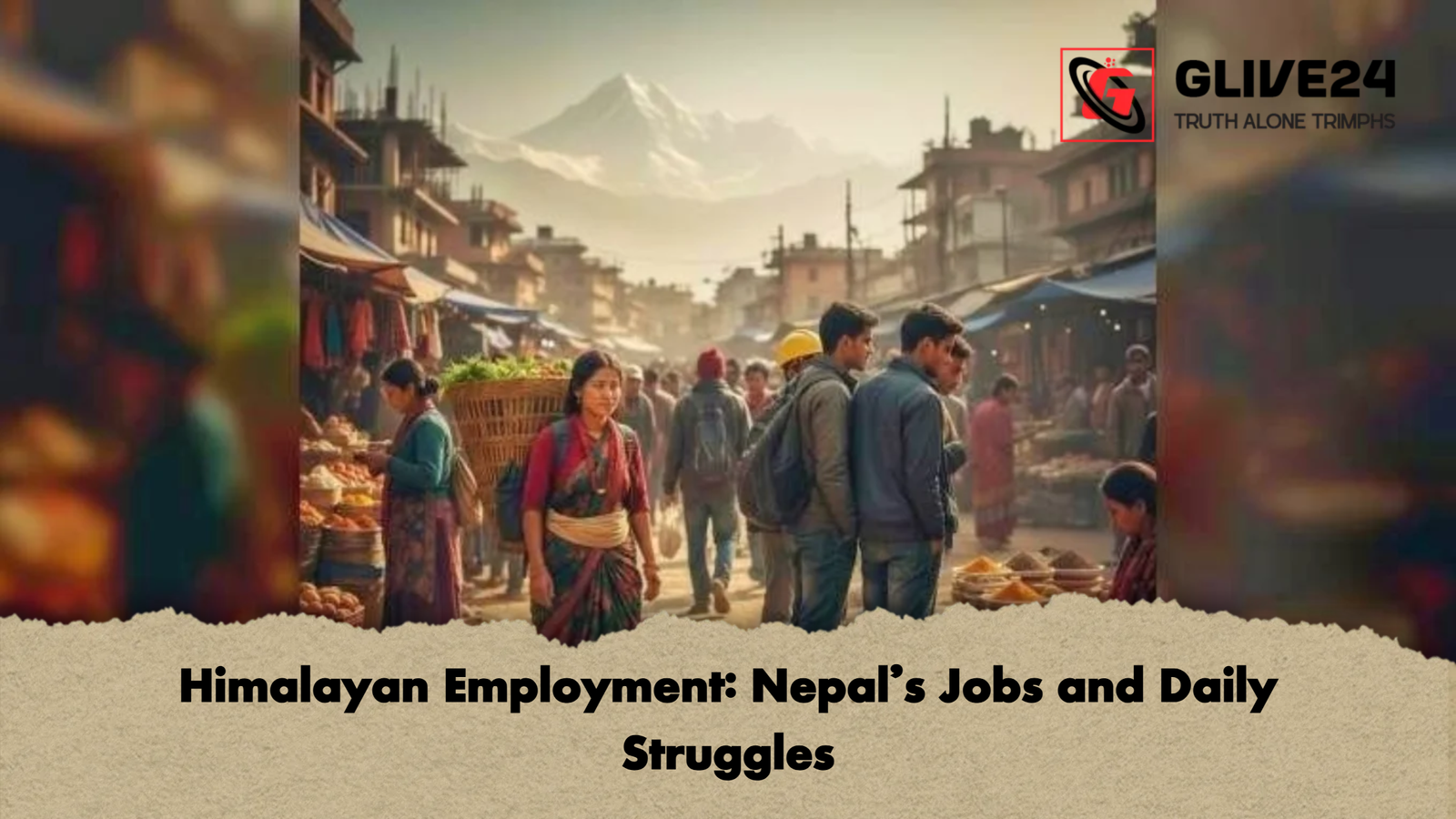
Nestled at the foot of the world’s highest mountains, Nepal is renowned as one of South Asia’s most stunning natural landscapes. Its economy, however, relies heavily on three pillars: tourism, agriculture, and remittances from Nepalis working abroad. In recent years, the country’s job market and everyday life have undergone noticeable shifts, reflecting both emerging opportunities and persistent challenges. Government and private-sector employment offer vastly different prospects, while unemployment remains a pressing concern for the nation’s youth.
In Nepal, government employment, known locally as civil service, is highly prestigious. Jobs offer security, pensions, insurance, and housing benefits. Yet, these positions are limited, creating intense competition. A gazetted officer in Nepal typically earns between NPR 45,000 and 60,000 per month—sufficient for a modest lifestyle but far from luxurious.
The private sector, driven primarily by tourism, banking, IT, and NGOs, provides a broader range of opportunities. Cities like Kathmandu and Pokhara offer higher salaries in banking and IT, yet wages in small and medium enterprises are significantly lower. While labour laws exist, job stability is often lacking, and employees frequently face excessive workloads.
Employment and Earnings Overview
| Sector | Key Benefits | Average Monthly Salary (NPR) | Main Challenges |
|---|---|---|---|
| Government | Job security, pension, insurance, housing | 45,000–60,000 | Limited positions, high competition |
| Private Banking & IT | Higher pay, bonuses | 30,000–50,000 | Job instability, workload pressure |
| Tourism & NGO | Job availability | 20,000–35,000 | Low wages, unpredictable employment |
A major challenge confronting Nepal is educated unemployment. According to the International Labour Organization (ILO) and the Nepal Central Bureau of Statistics, approximately 400,000–500,000 young people enter the labour market annually, yet a significant proportion are unable to find suitable work domestically. Consequently, thousands of Nepali youth migrate every year to the Middle East, Malaysia, and even Europe and North America. Remittances account for roughly 25–30% of the country’s GDP, highlighting the domestic job market’s limited strength.
For many employed Nepalis, earning enough to support a family is a struggle. In Kathmandu, a typical household of four requires at least NPR 40,000–50,000 per month for basic living expenses, while the average private-sector salary ranges between NPR 20,000 and 35,000. Many families must rely on loans or have multiple members working to make ends meet. Outside the cities, living costs are lower, but employment opportunities are even more limited, fuelling urban migration.
Life in Nepal is generally modest and hardworking. Government employees enjoy relative stability, but private-sector workers face constant uncertainty. Festival bonuses during celebrations like Dashain or Tihar are often diminished by inflation. Nevertheless, strong social bonds and extended family networks help Nepalis sustain their livelihoods.
The job market is slowly transforming. The government is investing in hydropower and information technology to retain the youth population. Yet, without broader industrialisation and accessible public-sector benefits, the nation continues to wrestle with unemployment. Despite these challenges, Nepalis’ resilience and industrious spirit remain central to keeping the economy moving forward.