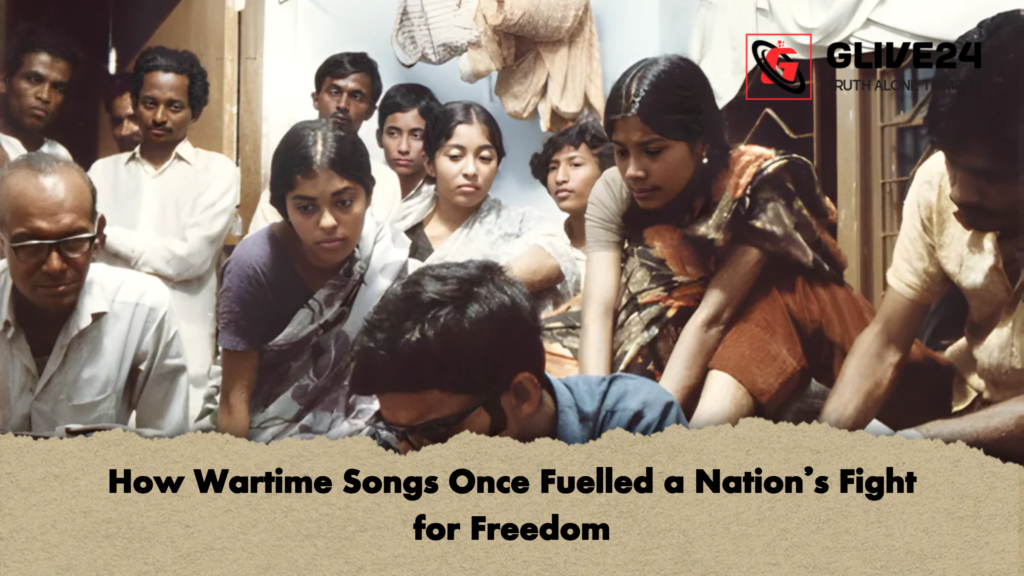
As Bangladesh prepares to celebrate Victory Day, a unique cultural initiative is set to remind the nation that the struggle for independence was fought not only with rifles and strategy, but also with songs and words. The Ministry of Cultural Affairs has announced a nationwide programme in which young performers will sing the iconic songs of the Swadhin Bangla Betar Kendra, bringing the cultural heartbeat of 1971 back to centre stage.
During the Liberation War, the radio station served as a crucial lifeline for millions of Bangladeshis. Its broadcasts offered news, encouragement, and, most importantly, music that articulated the hopes and pain of a people fighting for self-determination. Today, those same songs are being reintroduced to a generation that knows the war largely through historical accounts.
The programme has been designed with an educational purpose. Alongside live performances, exhibitions and discussions will explain how these songs were composed under extraordinary circumstances. Musicians lived in temporary shelters, often with no certainty of survival, yet continued to create music that reflected courage, humanity, and defiance.
Among the most anticipated performances is “Mora Ekti Phoolke Bachabo Bole Juddho Kori,” a song that encapsulates the moral foundation of the Liberation War. Composer and singer Apple Mahmud once recalled how lyricist Govinda Halder handed him the manuscript during June 1971. At the time, Swadhin Bangla Betar Kendra was their only home. Music was created amid fear, exhaustion, and unwavering hope.
Mahmud described the lyrics not as poetry, but as “gunpowder”—words powerful enough to ignite resistance. The song’s imagery of protecting life, nature, and humanity resonated deeply with fighters and civilians alike. Recorded quickly and broadcast repeatedly, it became one of the defining anthems of the war.
Cultural analysts argue that revisiting these stories is essential in an era of rapid technological change. While modern youth engage with global culture through digital platforms, understanding the cultural roots of national identity remains vital. The Victory Day programme seeks to achieve this by allowing young voices to interpret historic songs through contemporary sensibilities.
The organisers believe that when young people sing these songs themselves, history becomes personal rather than abstract. The emotional weight carried by the melodies helps transmit lessons of sacrifice, unity, and resilience more effectively than lectures or textbooks.
In this way, Victory Day becomes more than a commemoration. It becomes a dialogue between past and present, reminding the nation that freedom was won not only through military victory, but also through the enduring power of culture.