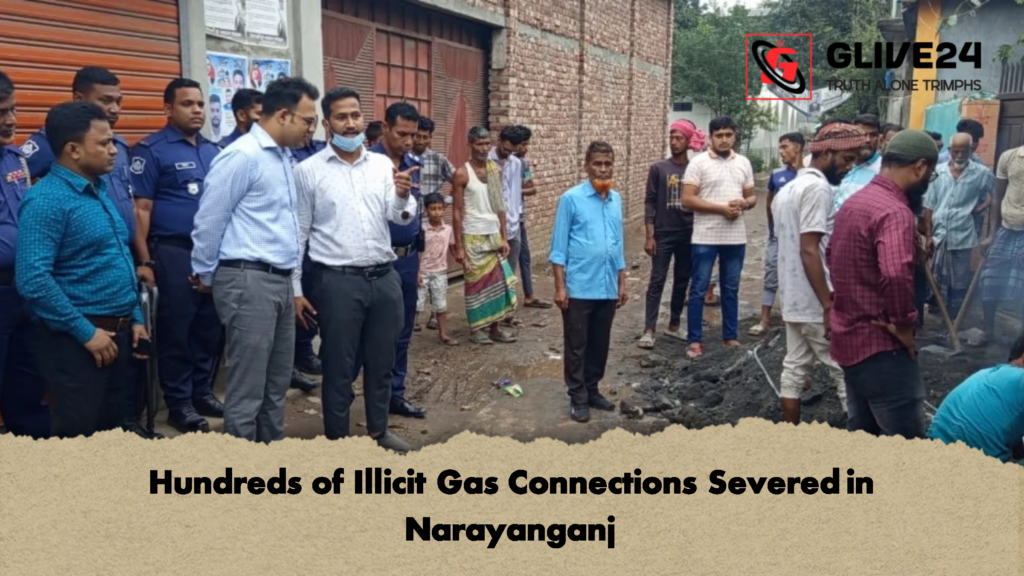
A significant enforcement operation led by a mobile court in Narayanganj resulted in the disconnection of hundreds of illegal gas lines on Sunday, 19 April 2026. The crackdown, aimed at curbing the systemic theft of natural resources and mitigating severe safety risks, targeted several residential pockets within the Araihazar upazila. By the conclusion of the day-long initiative, officials had successfully dismantled the infrastructure servicing approximately 180 households and deactivated over 210 residential burners.
Details of the Enforcement Operation
The operation commenced at 11:00 am and continued with meticulous rigour until 4:45 pm. The task force concentrated its efforts on the Duptara Union, specifically targeting the villages of Dari Satyavandi, Tingaon, and Brahmandi Gobindi. These areas had been identified through intelligence reports and local whistleblower accounts as hotspots for unauthorised tapping into the main gas distribution network.
The mission was spearheaded by Rashed Khan, the Assistant Commissioner (Land) and Executive Magistrate of the District Commissioner’s Office. Accompanied by a technical team from the regional gas distribution authority and a contingent of law enforcement personnel, the Magistrate oversaw the physical removal of makeshift, sub-standard pipes and the sealing of illegal valves that had been installed without government approval, technical oversight, or safety inspections.
Economic and Safety Implications
According to sources within the utility sector, these illicit connections have been operational for a considerable duration, leading to a dual crisis for the state. Firstly, the unauthorised consumption resulted in the loss of substantial revenue, placing a strain on the national exchequer and distorting the financial projections of the energy ministry. Secondly, the substandard quality of the materials used in these “hook-ups” created a volatile environment, significantly increasing the likelihood of gas leaks, explosions, and residential fires.
Magistrate Rashed Khan emphasised the gravity of the situation during a press briefing following the raids. He noted that the makeshift nature of these connections often bypassed essential pressure-regulating valves, effectively turning residential kitchens into “ticking time bombs” in densely populated zones.
Statistical Overview of the Crackdown
The following table provides a comprehensive summary of the disconnections and the administrative scope of the operation conducted on Sunday:
| Category | Details of Enforcement |
| Primary Location | Duptara Union, Araihazar, Narayanganj |
| Impacted Villages | Dari Satyavandi, Tingaon, Brahmandi Gobindi |
| Houses Disconnected | 180 Residential Units |
| Burners Deactivated | 210 Individual Gas Stoves |
| Duration of Operation | 5 Hours and 45 Minutes |
| Lead Official | Executive Magistrate Rashed Khan |
| Primary Objective | Revenue Protection and Public Safety |
Future Legal Actions and Continued Vigilance
The local administration has issued a stern warning that the physical severance of lines is merely the initial phase of a broader disciplinary strategy. The authorities are currently compiling a comprehensive list of the homeowners and local intermediaries who facilitated these illegal installations. Under the existing Gas Act, those found complicit in the theft of natural gas or the tampering of distribution lines face significant fines and potential imprisonment.
“Our stance is one of zero tolerance,” Magistrate Rashed Khan asserted. “These operations are not isolated incidents but part of a sustained campaign. We will continue to track down and dismantle these illegal networks to ensure that law-abiding, tax-paying citizens are not put at risk by the reckless and illegal actions of a few.”
Broader Context of Utility Theft in Narayanganj
Narayanganj, a vital industrial and residential hub for Bangladesh, has historically struggled with utility theft. The proliferation of illegal gas lines is often attributed to rapid, unplanned urbanisation and the high demand for domestic energy. However, the Titas Gas Transmission and Distribution Company has recently intensified its collaboration with local district administrations to modernise monitoring systems and respond more swiftly to reports of unauthorised usage.
Community leaders in Araihazar have been urged to cooperate with the authorities and report any suspicious excavation or piping work in their vicinities. As the government seeks to stabilise the national energy supply amidst global fluctuations, such local crackdowns are viewed as essential components of a wider strategy to ensure energy security and fiscal accountability across the country. For now, the households in the Duptara Union remain without gas, serving as a stark reminder of the legal, financial, and logistical consequences of bypassing official state channels for essential services.