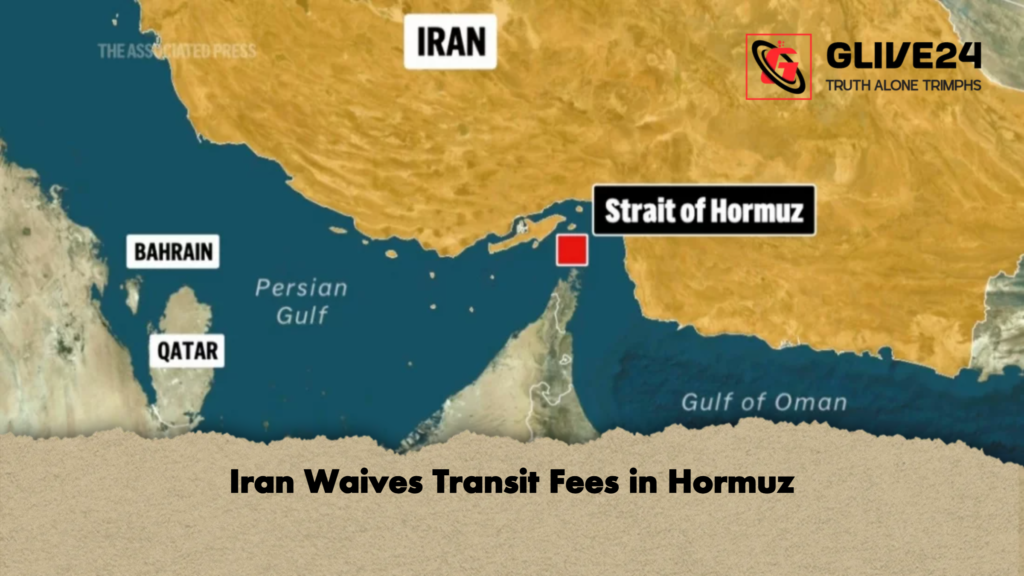
Iran has announced that it will waive transit fees for vessels from selected “friendly” countries using the strategically vital Strait of Hormuz, one of the world’s most important shipping lanes for global energy supplies. The move, reported by Russian state media agency RIA Novosti, is being interpreted as both an economic incentive for allies and a calculated geopolitical signal amid rising regional tensions.
According to Kazem Jalali, Iran’s ambassador to Moscow, the decision reflects Tehran’s intention to facilitate smoother passage for commercial and state-linked shipping from partner nations. In a recent interview, he confirmed that certain countries will be granted exemptions from standard maritime fees when transiting the strait. While he did not disclose a full list of eligible states, he specifically cited Russia as a key beneficiary of the arrangement.
Jalali added that Iran’s Foreign Ministry is currently finalising the framework of the exemption policy, including eligibility criteria and operational guidelines. He stressed that the initiative is designed to ensure uninterrupted maritime access for friendly states, particularly those maintaining cooperative economic and political ties with Tehran.
The announcement comes at a time of heightened geopolitical friction involving Iran, Western powers, and ongoing sanctions pressure. Analysts suggest the decision is a strategic attempt by Tehran to strengthen alliances, particularly with Russia, while offsetting the economic impact of Western restrictions.
The Strait of Hormuz remains a critical artery for global energy trade, with a significant share of the world’s seaborne oil exports passing through it daily. Any policy affecting transit costs or access in this corridor is therefore viewed as having far-reaching implications for international markets and maritime security.
Overview of Iran’s Proposed Transit Policy
| Category | Details |
|---|---|
| Policy | Waiver of transit fees |
| Beneficiaries | Selected “friendly” countries (e.g. Russia) |
| Location | Strait of Hormuz |
| Administering body | Iran’s Foreign Ministry |
| Objective | Strengthen alliances, ease maritime access |
| Strategic context | Sanctions pressure and regional tensions |
Experts argue that this selective fee waiver could reinforce Iran’s leverage over one of the world’s most sensitive maritime chokepoints. By differentiating between allied and non-allied states in terms of transit costs, Tehran is effectively asserting its strategic influence over a route that is also closely monitored by Western naval forces.
The United States and its allies have long emphasised freedom of navigation in the region, maintaining a naval presence to ensure security and stability in the waters surrounding the Strait of Hormuz. Iran’s latest move, however, is likely to intensify debate over maritime governance and control in this crucial passage.
As global tensions continue to evolve, attention will now turn to how non-friendly states may be treated under future Iranian maritime policy, and whether reciprocal measures or counter-strategies will emerge from rival powers.