
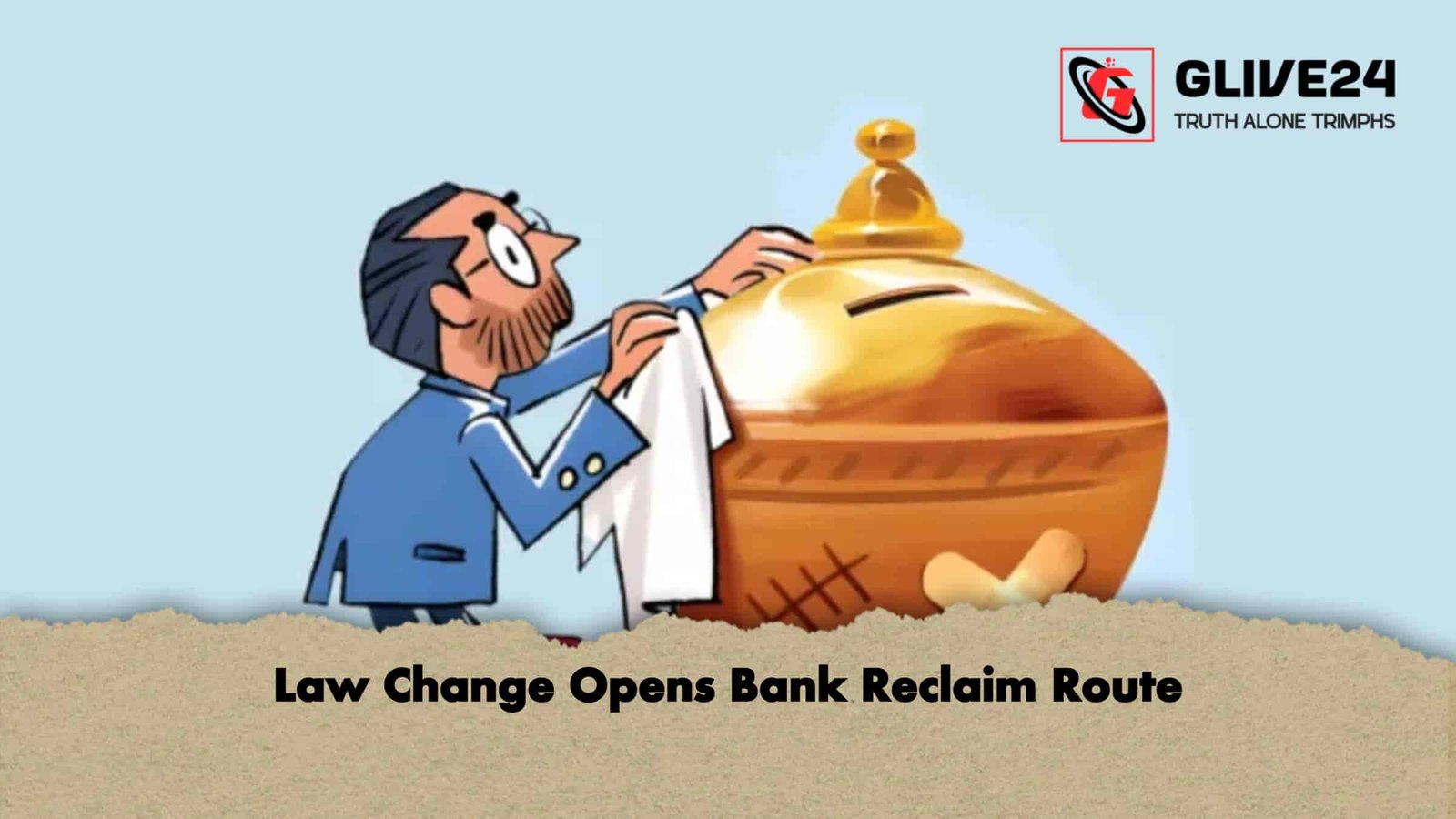
An amendment to Bangladesh’s Bank Resolution Ordinance has introduced a legal mechanism that allows former owners of distressed banks to seek restoration of control over institutions currently undergoing resolution.
The change applies to the ongoing consolidation of five troubled banks—First Security Islamic Bank, Social Islamic Bank, Union Bank, Global Islamic Bank, and Exim Bank—into Sammilito Islami Bank, a merger initiated under earlier reform measures implemented by the interim government.
Under the revised framework, which was passed in parliament on Friday, eligible former shareholders may submit applications to the Bangladesh Bank to reacquire ownership stakes, along with associated assets and liabilities. If approved, such applications could lead to the reversal of the merger and the dissolution of Sammilito Islami Bank.
Four of the banks were previously controlled by S Alam Group chairman Saiful Alam, while Exim Bank was under the ownership influence of Nassa Group chairman Nazrul Islam Mazumder.
Table of Contents
New legal framework and requirements
The amendment introduces Section 18A to the ordinance, setting out detailed conditions for any party seeking to regain control. Applicants must submit a formal undertaking committing to repay all liabilities as assessed by the government or the central bank, inject fresh capital, and restore financial stability.
They are also required to clear obligations to depositors and creditors, settle outstanding tax dues, and re-establish governance structures, including risk management and compliance systems.
The financial arrangement stipulates that approved applicants must deposit at least 7.5% of the assessed total within three months of approval. The remaining 92.5% is payable over two years, with a 10% simple interest rate applied.
Following approval, Bangladesh Bank will place the institution under supervision for two years. A dedicated review committee will assess compliance, with authority to revoke approval if conditions are not met.
Government’s justification
Finance Minister Amir Khosru Mahmud Chowdhury characterised the amendment as a “market solution” intended to promote fairness, equity, and investment protection while reducing the fiscal burden on the state.
He stated that approximately Tk80,000 crore has already been invested in weak financial institutions, with a further Tk1 lakh crore potentially required, describing this level of support as unsustainable under current economic conditions.
According to the minister, shifting repayment and recapitalisation responsibilities to applicants would reduce pressure on both the state budget and the Deposit Insurance Fund. He also emphasised that ownership eligibility is not limited to former shareholders, as other suitable investors may also be considered by the central bank. Maintaining operational continuity of banks, he added, would help preserve asset value and employment.
Concerns from experts
The amendment has been criticised by banking sector analysts and members of earlier reform committees, who argue that it weakens the integrity of the resolution process.
Zahid Hussain, former lead economist of the World Bank’s Dhaka office and a member of the interim government’s banking reform task force, said the provision effectively allows former owners to regain control of banks that became distressed due to mismanagement and alleged financial irregularities.
He estimated that the total liability for the five merged banks would be around Tk35,000 crore, and cautioned that the payment structure could enable applicants to meet the initial requirement while financing the remainder through borrowing within the banking system.
Uncertain future for merged entity
Mr Hussain also noted that the future of Sammilito Islami Bank now depends on the decisions of any returning owners. He indicated that if they choose to separate the institutions again, the merged entity would cease to exist.
He further warned that the amendment could undermine confidence in the reform process by signalling that individuals previously linked to banking sector distress may still regain ownership positions.
Overview of affected institutions
| Bank | Former controlling entity | Status under merger |
|---|---|---|
| First Security Islamic Bank | S Alam Group | Merged into Sammilito Islami Bank |
| Social Islamic Bank | S Alam Group | Merged into Sammilito Islami Bank |
| Union Bank | S Alam Group | Merged into Sammilito Islami Bank |
| Global Islamic Bank | S Alam Group | Merged into Sammilito Islami Bank |
| Exim Bank | Nassa Group | Merged into Sammilito Islami Bank |