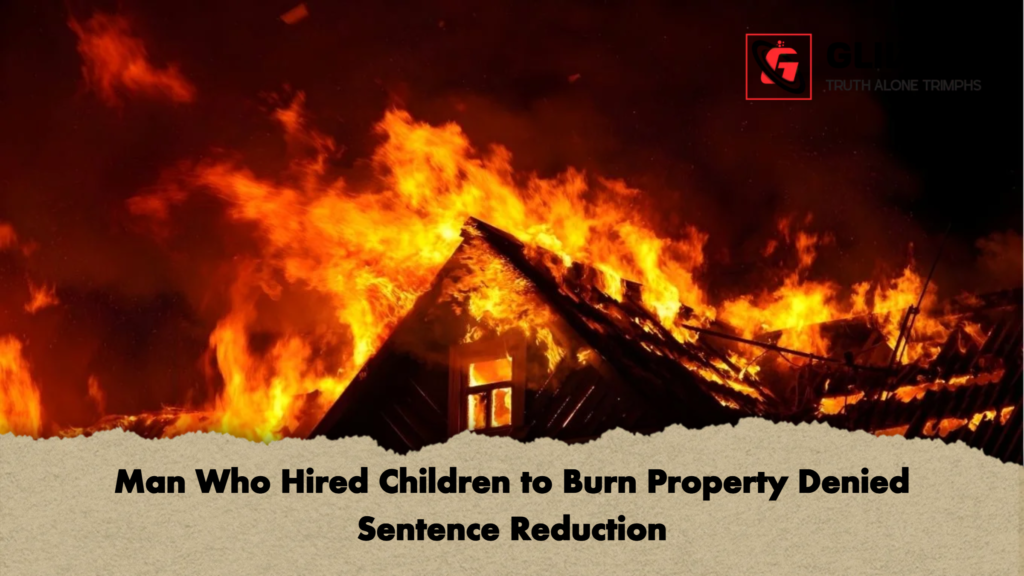
A New South Wales fraudster has had his appeal for a reduced jail sentence rejected after he orchestrated the burning of his own home with the help of children. The Court of Criminal Appeal found that Ali Falih Abed’s actions endangered not only the recruited minors but also neighbours, emergency responders, and nearby properties, leaving the original custodial sentence justified.
Abed, then 23, conspired with his partner, Wafaa Al Shamari, to deliberately destroy their South Granville home in August 2021. Their goal was to claim $550,000 in insurance compensation and pressure a 72-year-old neighbour to sell the adjoining property, with the ultimate aim of developing duplexes on the combined land.
In preparation for the fire, Abed provided petrol purchased on his sister’s credit card to two youths he hired. They repeatedly travelled to the house in an Uber linked to Abed, igniting the blaze that ultimately consumed the property. The arsonists were apprehended a month later.
During sentencing at Penrith District Court, Abed was convicted of dishonestly destroying property by fire with the intention of financial gain and was sentenced to five years’ imprisonment with a non-parole period of three years. He appealed, citing the sentencing judge’s error in recording his age as 33 instead of 23, and argued that his traumatic upbringing in Iraq should lessen his moral responsibility.
The Court of Criminal Appeal acknowledged that Abed’s deprived childhood and exposure to war trauma were factors to consider. They also corrected the record regarding the ages of the couple, noting that Al Shamari is eight years older than Abed. Nonetheless, the judges concluded that these mitigating factors could not outweigh the gravity of the offence, given the danger posed to the public and the recruitment of minors for criminal activity.
The court emphasised the importance of deterrence, denunciation, and community protection in sentencing serious crimes, highlighting that endangering others—particularly children—is an aggravating factor that sustains a substantial custodial sentence. As a result, Abed’s appeal for a reduced term was dismissed, and his original five-year sentence remains in force.
The ruling sends a clear message: even if offenders come from traumatic backgrounds, exploiting children and putting the community at risk through deliberate acts of arson will attract significant prison terms.