
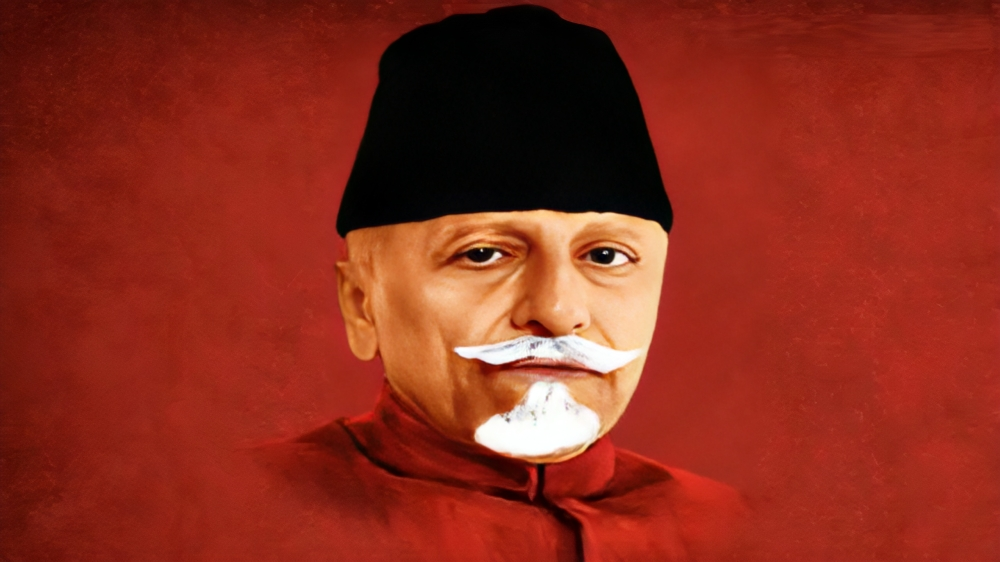
Maulana Abul Kalam Azad, a distinguished Indian independence leader, was not only a freedom fighter and scholar but also a lover of music and culture. He is most renowned for his leadership in the Indian National Congress, his role in the Khilafat Movement, and his deep intellectual contributions to Indian society. Among his numerous achievements, his connection with music and his contemplations on it, particularly his musings about the Taj Mahal, remain a testament to his multi-dimensional personality. This article delves into the connection between Azad and his beloved sitar, highlighting a particularly enchanting moment when Azad found himself playing the instrument near the Taj Mahal.
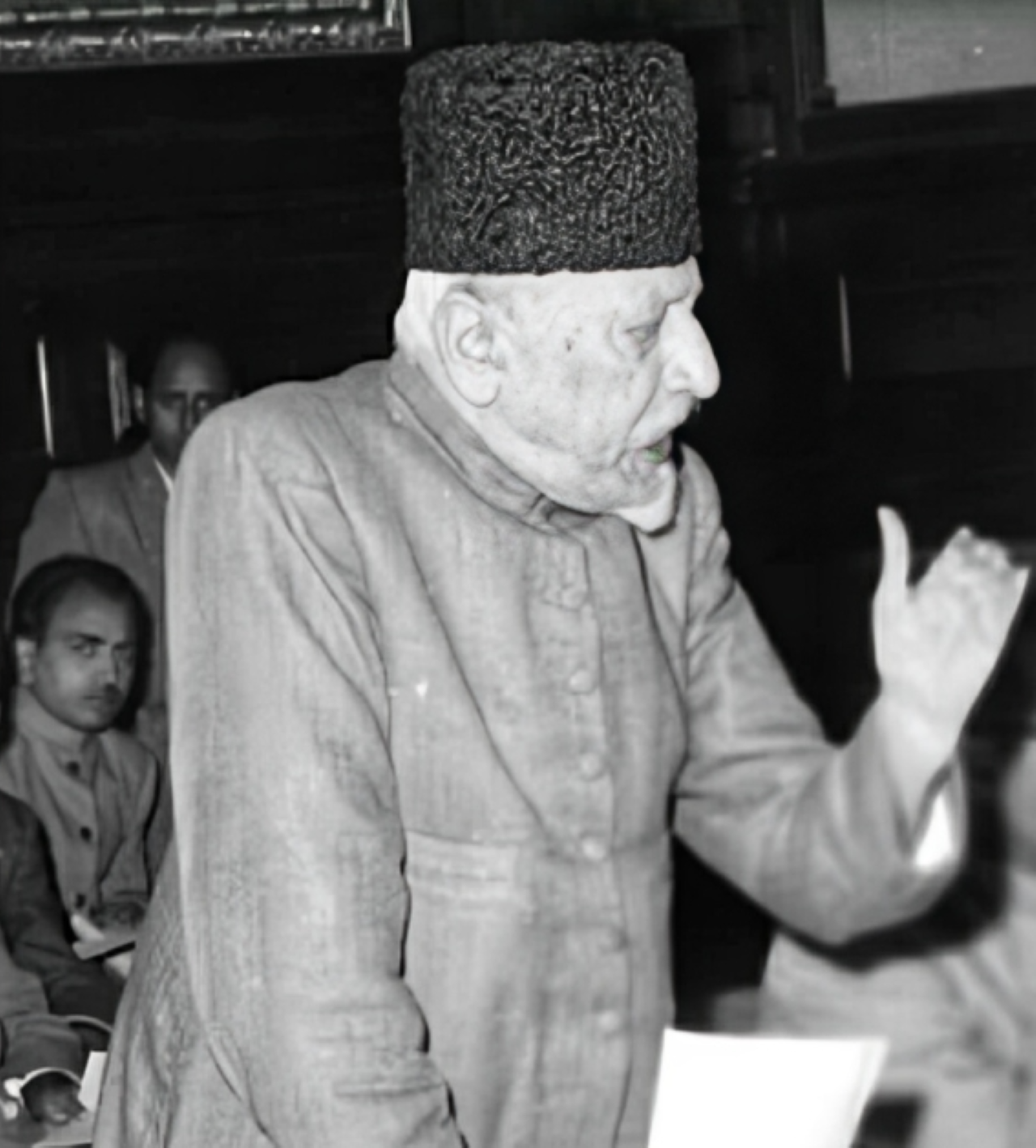
Maulana Azad’s Literary Contributions
Maulana Azad’s literary career is marked by works that blend his political life with his social and spiritual reflections. His most notable writings include India Wins Freedom, Ghubar-e-Khatir (Sallies of the Mind), Tazkirah, and Tarjumanul Quran (The Interpreter of the Qur’an). Ghubar-e-Khatir is particularly significant as it offers a glimpse into Azad’s inner thoughts during a tumultuous period of his life.
Written between 1942 and 1946, when Azad was imprisoned at Ahmednagar Fort by the British, Ghubar-e-Khatir is a collection of 24 letters written to his close friend Maulana Habibur Rahman Khan Sherwani. These letters, never posted due to prison restrictions, were eventually published post-release. The book is a profound commentary on various complex issues, including the existence of God, the origin of religions, and the role of music in spiritual life. The letters are enriched with over five hundred couplets, primarily in Persian and Arabic, reflecting Azad’s scholarly background in these languages, stemming from his early education in Makkah.
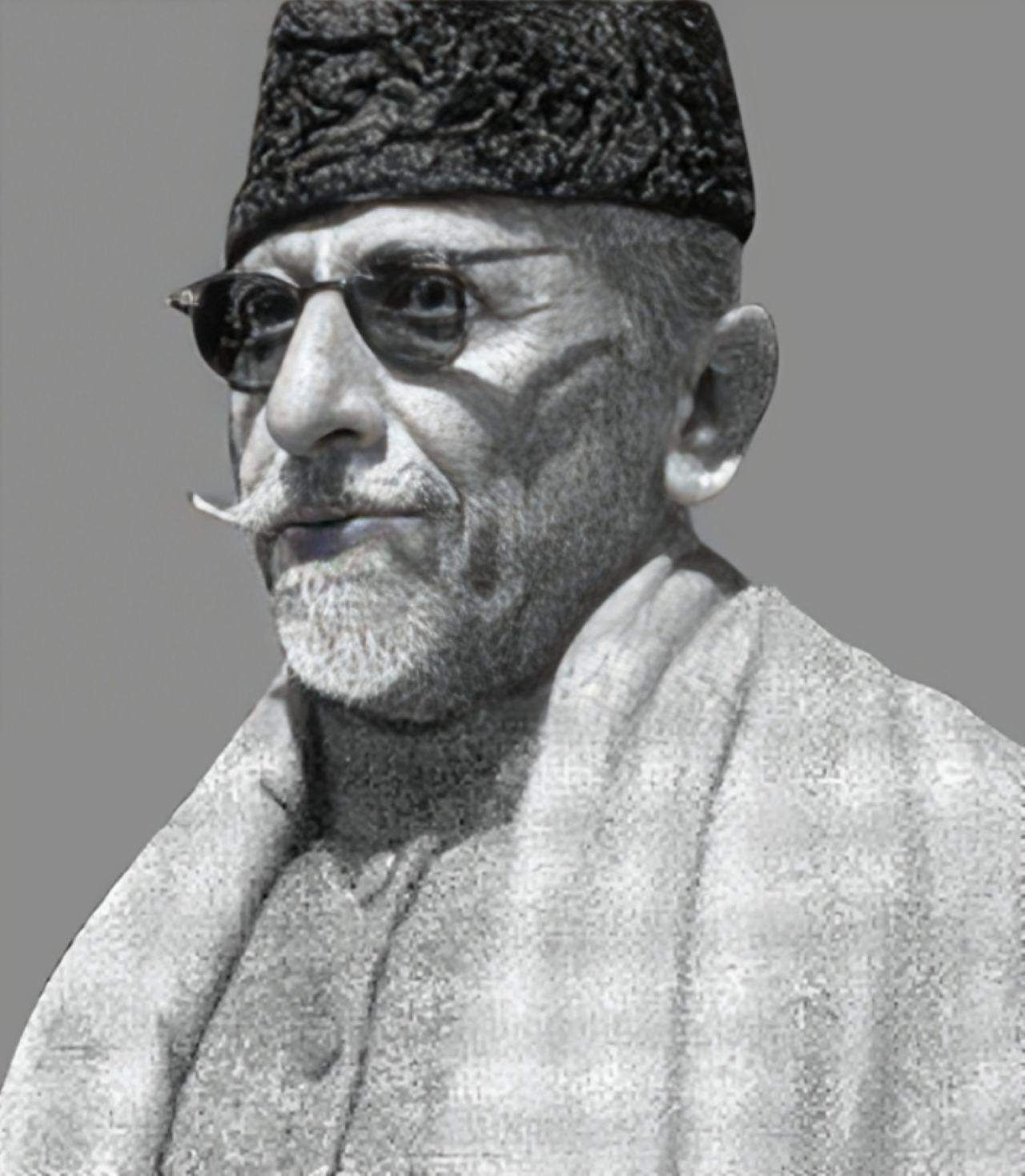
The Relationship Between Azad and Habibur Rahman Khan
Habibur Rahman Khan, a Nawab from Bhikampur near Aligarh, was one of Azad’s closest friends. Khan was an ardent patron of the arts and a scholarly figure who headed the theology department at Aligarh Muslim University and was the first Vice-Chancellor of Osmania University. Their friendship dates back to 1906, when Azad assisted Maulana Shibli Nomani in editing Al Nadwa, the publication of the Nadwatul Ulema seminary. Over time, their bond grew stronger, and during Azad’s imprisonment, Khan became the recipient of the letters that formed Ghubar-e-Khatir.
Azad’s decision to write to Khan, rather than to other friends or political associates, reflects the deep intellectual and emotional connection between the two men. The letters were not mere correspondence; they were reflections on life, philosophy, nature, and the joys of solitude—subjects that resonated with Azad’s contemplative nature.
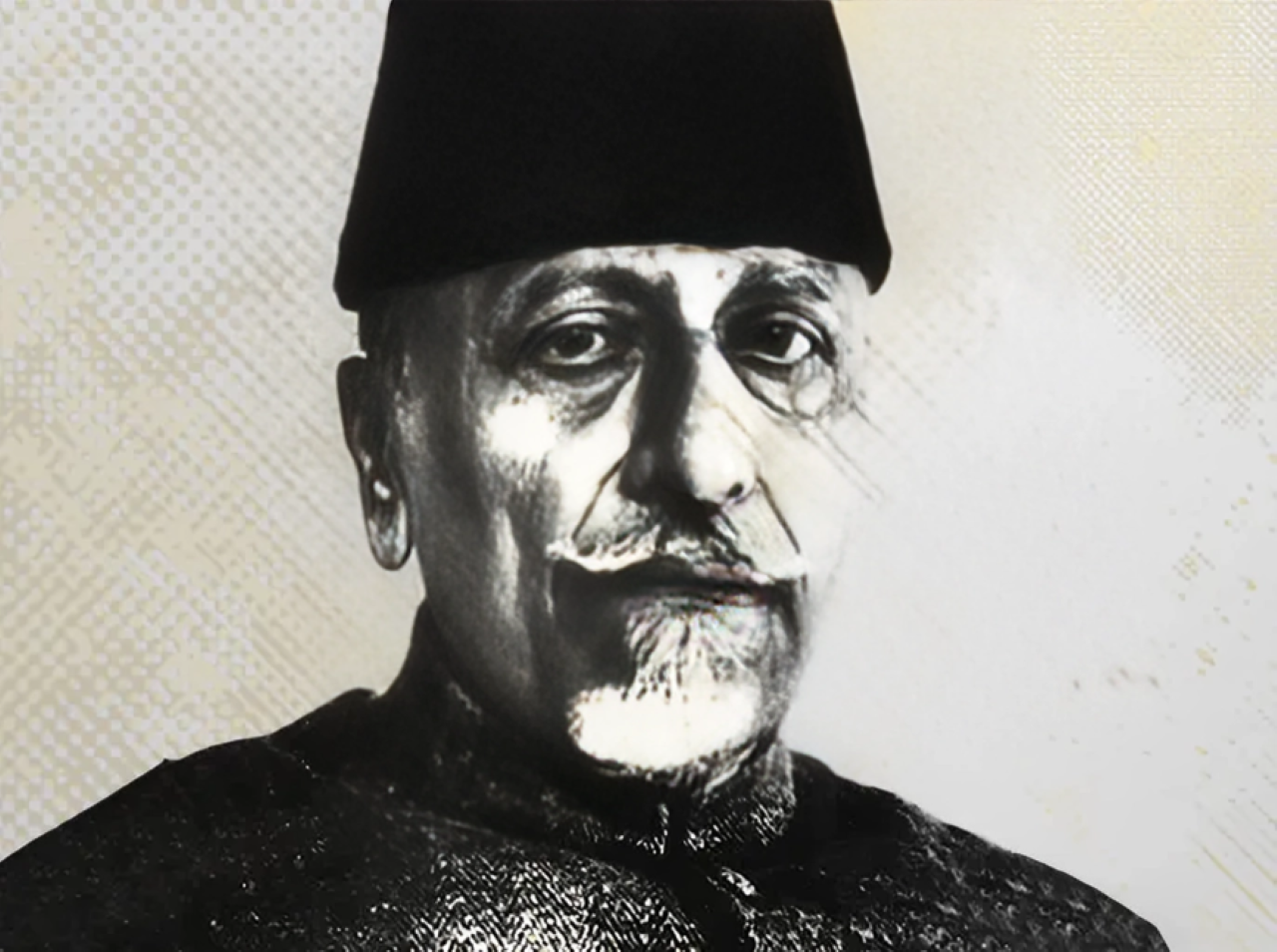
Maulana Azad’s Passion for Music
While Azad is best known for his political and educational work, his love for music was a defining aspect of his personal life. His passion for music was ignited when, during his time in Calcutta, he discovered a book on music by Saif Khan, a scholar of Indian classical music during the reign of Emperor Aurangzeb. Determined to understand the nuances of the text, Azad set out to learn music, despite knowing that his revered father, a spiritual leader, would disapprove.
Azad’s desire to master music led him to Maseeta Khan, a former music teacher to the tawaifs (courtesans) of Calcutta. Under Maseeta Khan’s tutelage, Azad learned to play several instruments, but it was the sitar that captured his heart. Azad’s dedication to learning music was as intense as his commitment to any other pursuit in life. As he once said: “Whichever street I entered, I walked it fully.”
Although Azad eventually stopped playing the sitar later in life, his love for it remained undiminished. He fondly remembered how the strings of the sitar had left their mark on his fingers, a testimony to the depth of his connection to the instrument.
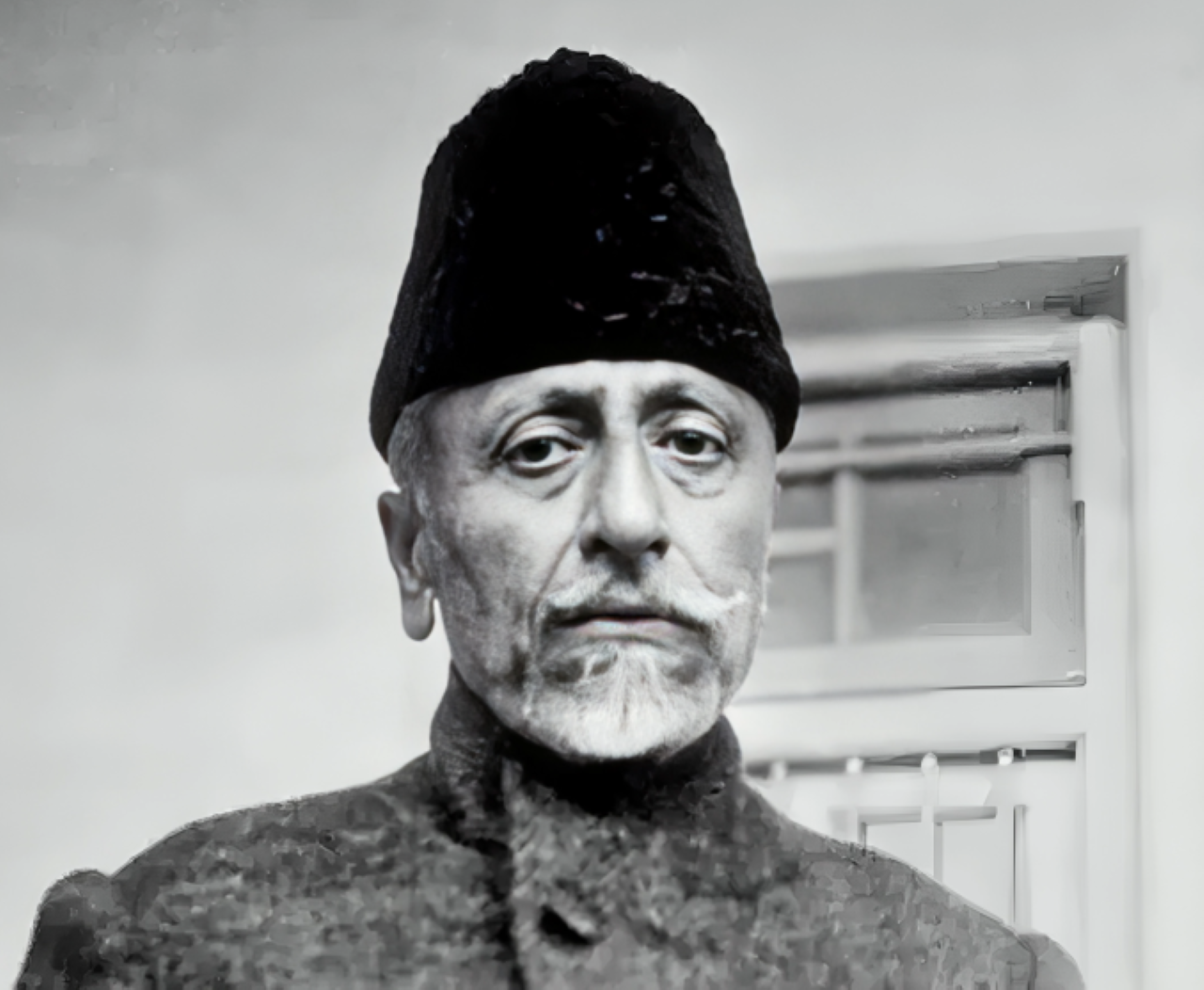
Azad at the Taj Mahal
One of the most enchanting stories of Azad’s connection to music and his love for solitude involves his visits to the Taj Mahal. In the heat of April, with warm days and cool nights, Azad would often work late into the night, finding peace in the solitude that the late hours provided. For Azad, writing and thinking in the silence of the night was a spiritual experience.
On several occasions, he took his sitar to the Taj Mahal, arriving before dawn. Seated near the monument, with the moonlight casting a soft glow on the marble dome and the Yamuna River flowing serenely below, Azad would play his sitar, allowing the stillness of the night and the beauty of the surroundings to inspire his music.
Azad described the experience as one of deep communion with nature. He felt as though the world had paused to listen to his music. The rustling of the trees, the minarets swaying, and the very stones of the Taj Mahal seemed to come alive in response to his performance. The silent dialogue between Azad, his music, and the Taj Mahal was an experience that deeply moved him.
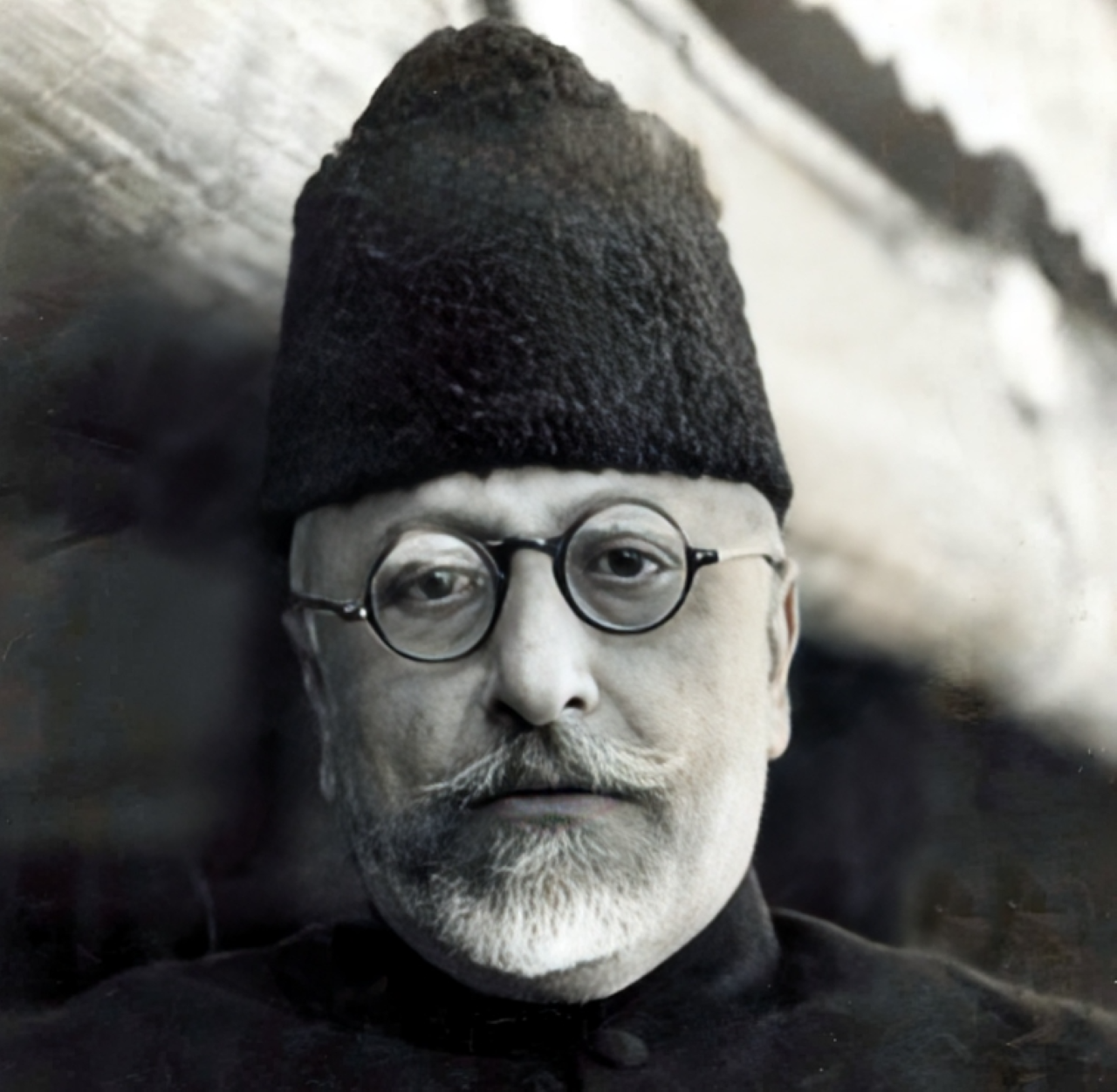
Azad’s Reflection on Beauty
In his writings, Azad often emphasised the importance of recognising beauty in all its forms. His time at the Taj Mahal exemplified this philosophy. He found beauty not only in the structure of the monument but also in the natural elements surrounding it—the stars, the moon, the river, and the trees. Azad’s reflections on beauty and its profound effect on the soul remind us to appreciate the world around us, whether in the form of music, architecture, or human connections.
Azad’s Legacy
Maulana Azad’s legacy extends far beyond his role in the Indian independence movement. As a scholar, he contributed immensely to the intellectual and spiritual life of India. His writings, particularly India Wins Freedom and Ghubar-e-Khatir, remain invaluable records of the struggles, ideas, and philosophy of a man who dedicated his life to the service of his nation.
Azad also played a pivotal role in shaping the educational landscape of India. As the first Minister of Education post-independence, he was instrumental in establishing the foundation of modern Indian education. His vision of an educated and unified India continues to inspire generations.