
Tensions across the Gulf have escalated sharply amid a continuing cycle of retaliatory attacks involving Iran, Saudi Arabia, United States, and Israel, with energy infrastructure and strategic transport links increasingly drawn into the conflict.
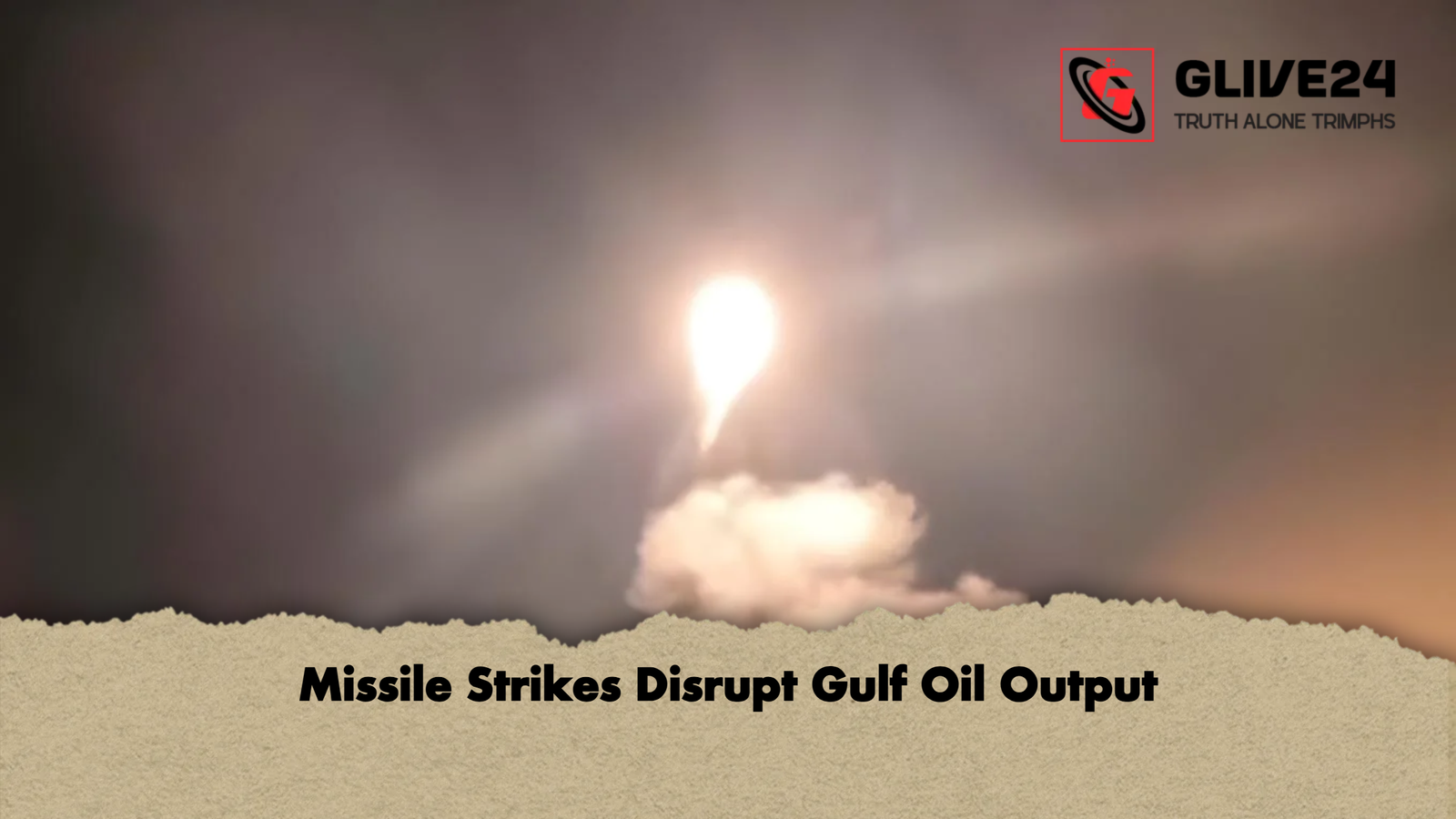
According to Saudi Arabia’s Ministry of Defence, early on Tuesday morning the kingdom’s air defence systems intercepted seven ballistic missiles over its eastern region, an area of critical importance to the national economy. Approximately 70 per cent of Saudi oil facilities are located in this eastern province, making it the country’s primary energy hub. Officials reported that debris from the intercepted missiles fell in the vicinity of key oil installations, forcing a temporary suspension of production activities as a precautionary measure.
Shortly after the interception, heightened security alerts were triggered across the region, including a temporary closure of the King Fahd Causeway, which links Saudi Arabia with Bahrain. The crossing is a vital transport artery for both commercial trade and passenger movement between the two nations.
The escalation follows a series of reported strikes on Iranian oil and gas infrastructure attributed to the United States and Israel. In response, Iranian forces have reportedly expanded their targeting scope to include strategic infrastructure in Gulf Arab states perceived as supporting Western military and political positions.
Earlier reports from Iranian media had circulated a list of potential regional targets, which allegedly included several major bridges in the Gulf. Among them was the King Fahd Causeway, as well as the Sheikh Jaber Causeway in Kuwait, one of the longest bridges in the Middle East. These developments have heightened concerns over the vulnerability of critical infrastructure across the region.
Saudi authorities further stated that within a span of just a few hours, at least 18 drone attacks were launched by Iranian forces. All of the incoming aerial threats were reportedly intercepted without causing direct structural damage, though the scale of the assault underscores the intensifying nature of the confrontation.
Neighbouring states have also reported increased alert levels. Multiple warning sirens were activated in Bahrain earlier in the day, while similar precautionary measures were taken in United Arab Emirates following credible threat assessments.
Summary of Reported Incidents
| Category | Details | Reported Outcome |
|---|---|---|
| Ballistic missiles | 7 intercepted over eastern Saudi Arabia | Debris fell near oil facilities; production temporarily halted |
| Drone attacks | At least 18 launched at Saudi Arabia | All intercepted, no confirmed damage |
| Infrastructure alerts | King Fahd Causeway closure | Temporary suspension of traffic |
| Regional alerts | Bahrain and UAE warning systems activated | Heightened security readiness |
The unfolding situation reflects a rapidly intensifying cycle of retaliation in which energy infrastructure, transport corridors, and civilian alert systems across the Gulf are increasingly exposed to risk. With both sides signalling continued willingness to respond to further strikes, regional stability remains under significant strain.