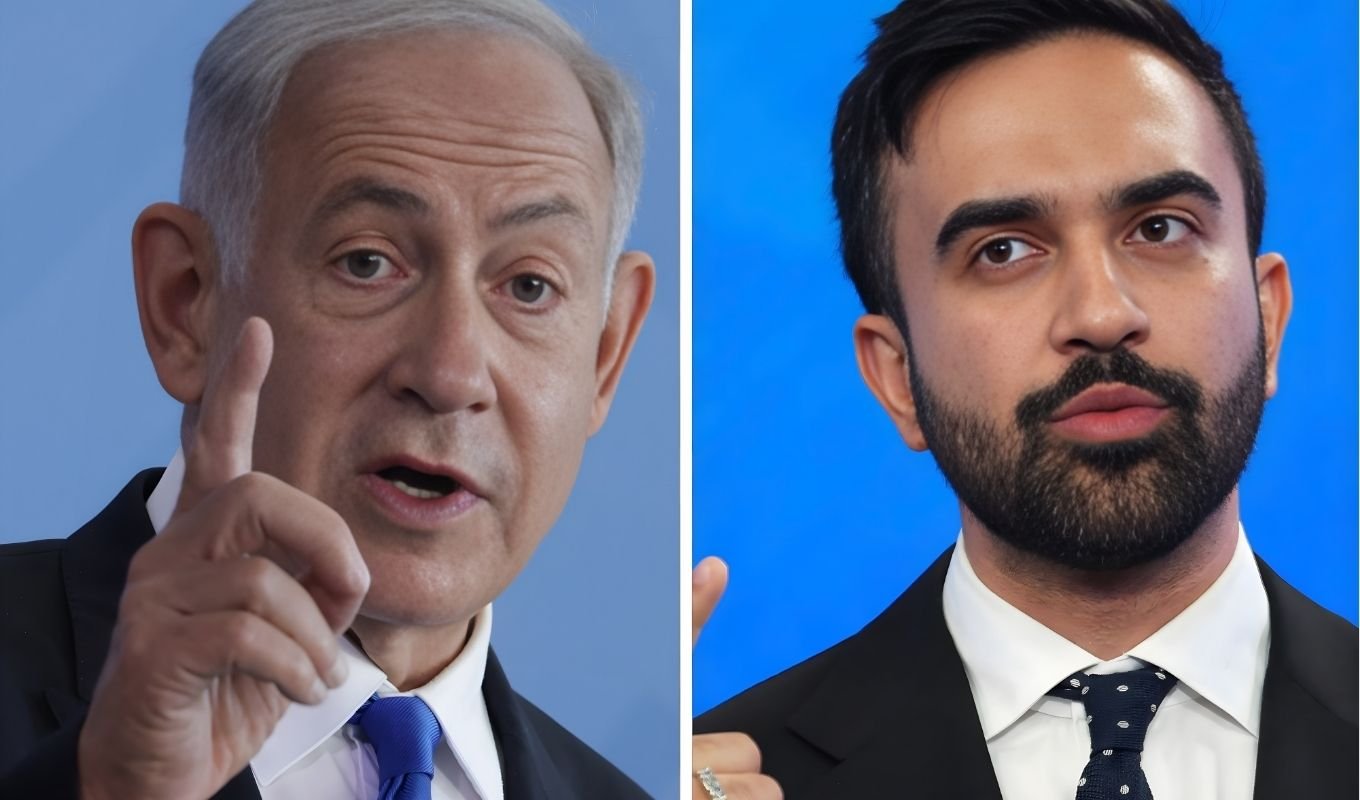
New York’s newly elected mayor, Joharan Mamdani, has taken a dramatic stance on the international stage, publicly declaring that Israel’s Prime Minister Benjamin Netanyahu could be arrested upon entering the city. The basis for such an action is an outstanding ICC arrest warrant, citing alleged war crimes and crimes against humanity against Palestinians in Gaza.
Netanyahu, however, has dismissed the mayor’s warning, insisting that he will continue with his planned visit to New York, creating an unprecedented legal and diplomatic conundrum: can a local U.S. official order the detention of a foreign head of state?
Understanding this requires a deeper look at the ICC and international law. While the ICC, established by the Rome Statute, possesses jurisdiction over certain international crimes, neither Israel nor the United States is a member. The court’s jurisdiction normally applies if crimes involve nationals of member states or occur on member state territory. Additionally, cases may be referred by member states, and the UN Security Council can request action.
Palestine joined the Rome Statute in 2015, and in 2021, the ICC confirmed that alleged crimes on Palestinian territory fall under its jurisdiction. By 2024, arrest warrants were issued for Netanyahu and former Defence Minister Yoav Gallant for attacks on civilians and efforts to cause famine in Gaza. Despite this, ICC enforcement relies entirely on the cooperation of member states, and U.S. sanctions against ICC officials further complicate the enforcement of these warrants.
Here, the principle of universal jurisdiction comes into play. This legal doctrine allows any nation to detain and prosecute individuals accused of severe international crimes, regardless of where the crimes occurred or the nationality of the accused. Numerous countries have invoked this principle in recent years, including Switzerland, France, and Germany. Notable cases include Osman Sonko in Switzerland and Bashar al-Assad in France.
The historical precedent of Adolf Eichmann is especially instructive. In 1960, Mossad abducted Eichmann from Argentina, brought him to Jerusalem, and tried him for crimes against the Jewish people, ultimately sentencing him to death. Israel argued that universal jurisdiction empowered them to pursue justice beyond borders. Today, legal scholars suggest this precedent could theoretically apply to Netanyahu.
The question of whether New York police could enforce an arrest remains unresolved. Some argue that federal approval under the War Crimes Act is essential, making enforcement difficult. Others cite U.S. laws like the LEHI Act or Section 1091 as potential mechanisms. Meanwhile, proponents of universal jurisdiction argue that it exists independently of local approval, allowing immediate action under international law.
In essence, the arrest of Netanyahu is a matter of international legal debate. Should the ICC fail to enforce its warrant, universal jurisdiction could act as a legal tool to ensure accountability. Past cases demonstrate that political office and diplomatic privilege do not confer immunity. Mayor Mamdani’s pronouncement, controversial though it may be, highlights the enduring power of international justice in the modern era.