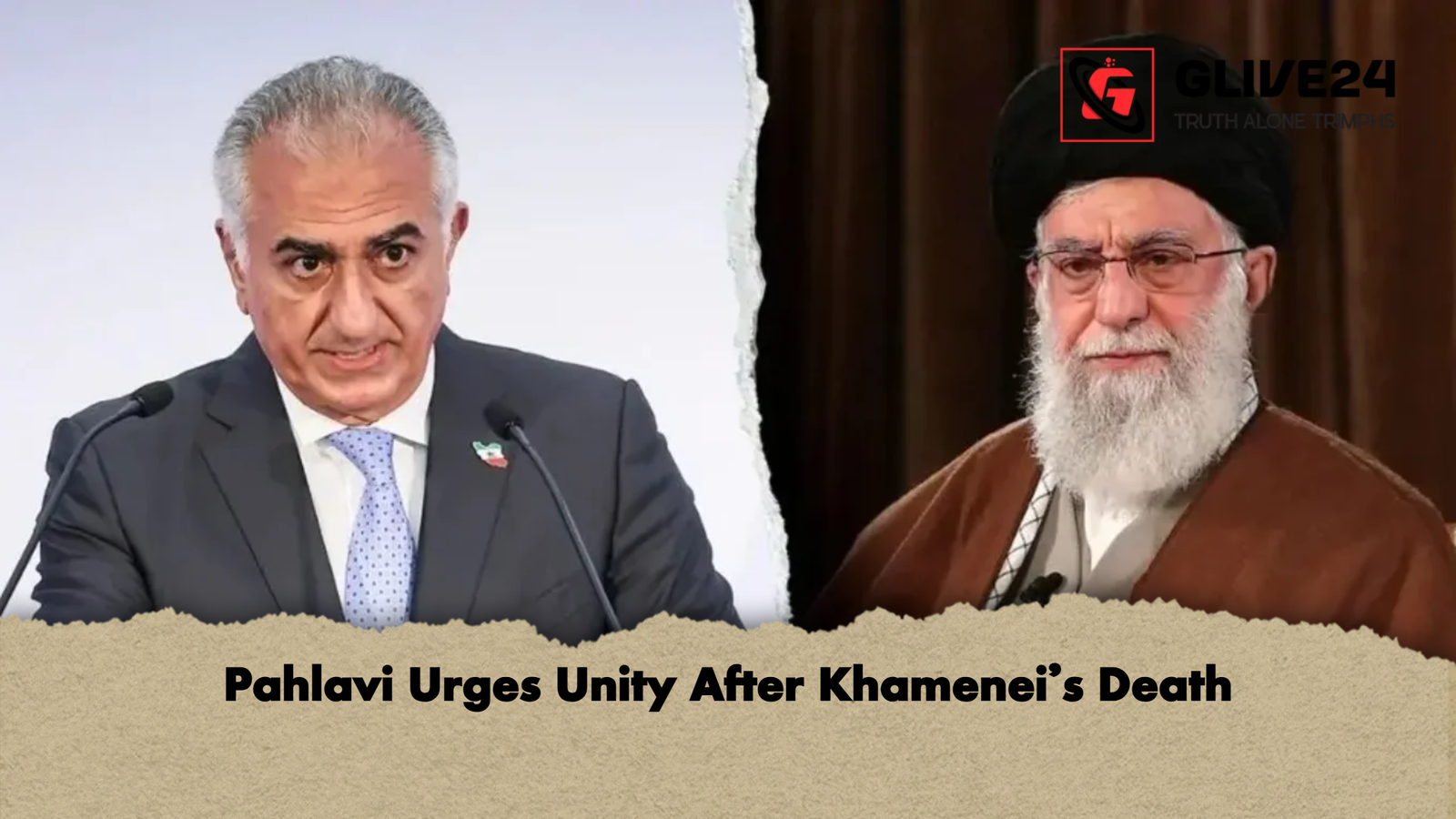
Reza Pahlavi, the exiled former crown prince of Iran, has publicly welcomed the reported death of Iran’s Supreme Leader Ali Khamenei and has framed it as a potential turning point for the nation. His remarks, delivered in the wake of confirmation from Iranian state media that Khamenei died following joint United States and Israeli strikes, underscore deep political divisions and rising hopes among some opposition figures for democratic reform.
Khamenei, 86, had led the Islamic Republic since 1989 and was a central figure in shaping Iran’s domestic and international policies for more than three decades. His death, announced by both Iranian state television and international media, has triggered a 40-day period of national mourning and raised immediate questions about Iran’s political trajectory.
Table of Contents
Gratitude Directed to Trump
In an opinion piece and social media messages following the reports of Khamenei’s death, Pahlavi thanked former United States President Donald Trump for his role in the military operation and for public statements that, in Pahlavi’s view, supported the Iranian people’s aspirations for freedom. Trump had described the strike as a significant moment and urged Iranians to rise against the theocratic system.
Pahlavi said that Khamenei’s removal from power — after years of repression and conflict — could mark the beginning of a new chapter for Iranians seeking democratic governance. “With his death, the Islamic Republic has effectively come to an end and will soon be consigned to the dustbin of history,” he wrote, urging both civilian and security forces to reject loyalist efforts and support a transition.
Call for Democratic Transition
Beyond expressing gratitude, Pahlavi set out a vision for Iran’s future. He called for:
A new constitution, drafted and then approved via referendum.
Free and fair elections under international oversight.
A peaceful transition to representational government.
He emphasised that the moment demands unity and resolve, describing it as “a historic opportunity” for “courage, leadership and solidarity” to reshape Iran’s political landscape.
Context and Controversy
The confirmation of Khamenei’s death followed a major offensive by US and Israeli forces targeting Iranian leadership and military infrastructure. The strikes prompted retaliation by Iran and widespread instability across the region. Global leaders remain deeply concerned about the potential for further escalation.
Within Iran, the impact of Pahlavi’s stance is uncertain. While he remains a symbolic figure for parts of the democratic opposition, not all Iranians support a return to a monarchical-linked leadership or his proposed approach. Analysts note that the future balance of power could depend on the influence of the Islamic Revolutionary Guard Corps, political hardliners and grassroots movements alike.
Transition Proposal Chart
| Proposed Phase | Objective |
|---|---|
| Constitutional Drafting | Establish democratic legal framework |
| Referendum | Achieve public legitimacy |
| Internationally Supervised Elections | Install representative government |
| Institutional Reform | Strengthen civil liberties |
As Iran enters a period of political uncertainty, Pahlavi’s call for unity and orderly transition reflects a broader debate over the nation’s future — one that will involve domestic actors and international stakeholders alike.