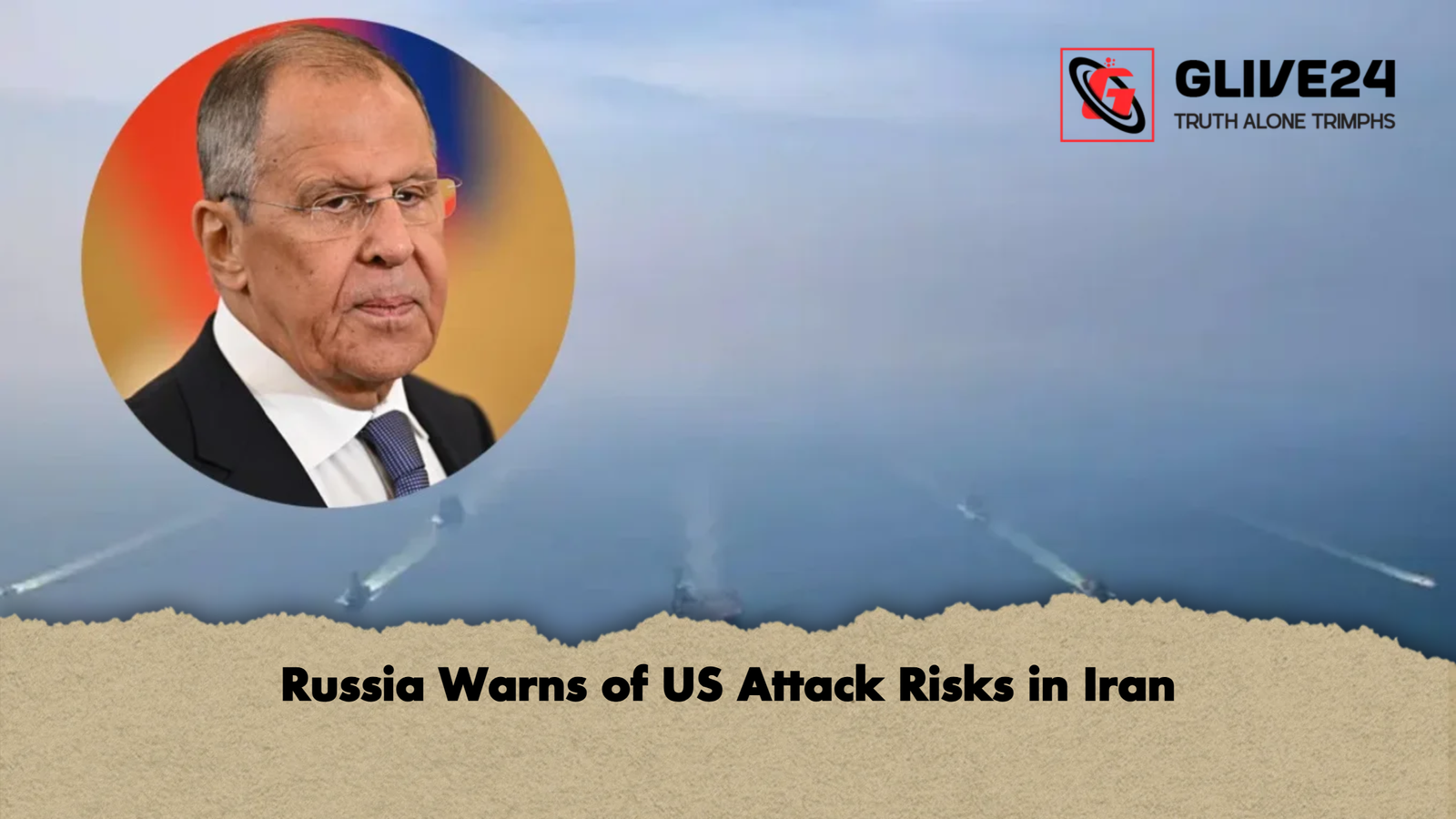
Russia has issued a stern warning over potential new US military action in Iran, with Foreign Minister Sergey Lavrov emphasising that any such strike could have serious and far-reaching consequences.
Speaking in an interview on Al-Arabiya television in Saudi Arabia on Wednesday, Lavrov urged patience and dialogue, stressing the importance of allowing Tehran to pursue its peaceful nuclear programme without escalation. He described any military intervention as highly risky and warned that the repercussions could extend far beyond Iran’s borders.
According to a report by Reuters, Lavrov’s comments came a day after indirect talks were held in Geneva, Switzerland, between representatives of Washington and Tehran, aimed at preventing a rising crisis over Iran’s nuclear activities. These diplomatic efforts were described as cautious yet critical attempts to reduce tensions in the region.
Lavrov Highlights Past Incidents
During the interview, Lavrov noted that Iranian nuclear facilities, monitored by the International Atomic Energy Agency (IAEA), have already been subject to attacks. “From these incidents, we can deduce that there was a genuine risk of nuclear accidents,” he said, highlighting the potential hazards of military operations in such sensitive areas.
He further emphasised that regional and Gulf states are closely watching developments. “I have been carefully monitoring the reactions of neighbouring countries in the Gulf region. No one wants tensions to rise further. Everyone understands that this is like playing with fire,” Lavrov remarked.
Regional Implications and Diplomatic Stakes
Lavrov warned that continued escalation could undermine years of positive steps in regional diplomacy, including improved relations between Iran and nearby countries such as Saudi Arabia. Analysts suggest that any increase in hostilities could reverse recent progress in regional security and cooperation initiatives.
The current situation can be summarised in the following table:
| Country / Actor | Nuclear Programme | Recent Developments | International Oversight |
|---|---|---|---|
| Iran | Peaceful nuclear research & energy | Past attacks on facilities; ongoing US concerns | Monitored by IAEA |
| United States | No nuclear programme in Iran; regional security focus | Potential military contingency plans | Engaged in indirect diplomacy |
| Saudi Arabia | No nuclear programme | Observing developments closely; regional mediator | Engaged in dialogue with Iran and international partners |
| Russia | Non-nuclear actor; regional influence | Issued warnings; supports diplomatic solutions | Diplomatic intervention and monitoring |
Lavrov concluded by urging all parties to exercise restraint, warning that escalating tensions could jeopardise years of diplomatic progress. “Positive steps taken in recent years could become ineffective if the situation worsens,” he said, underlining the need for patient, measured approaches to regional security.
Experts believe Russia’s warning is both a diplomatic signal to Washington and a cautionary note to regional actors, reflecting Moscow’s interest in preventing a wider conflict and maintaining stability around Iran’s nuclear facilities.