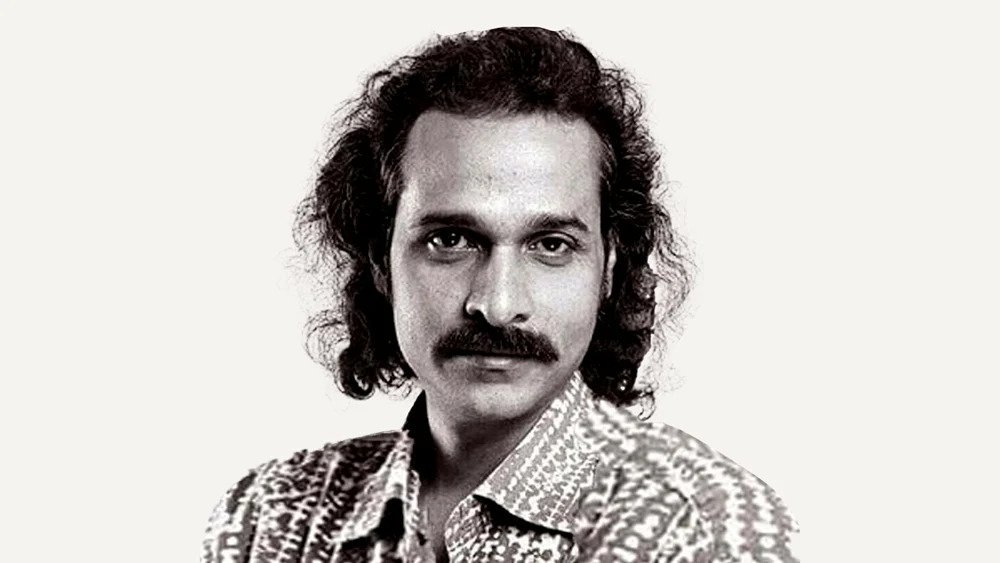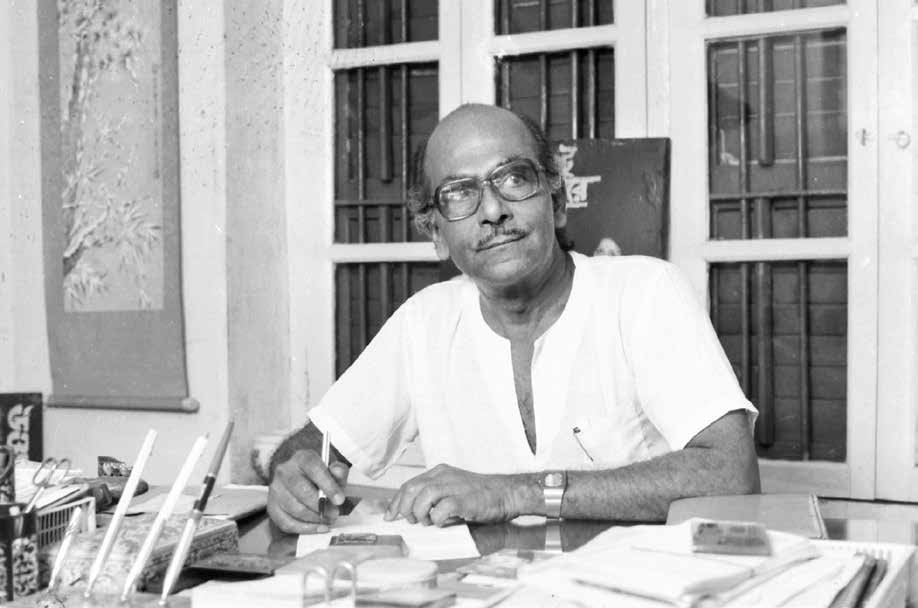
The centenary of Salil Chowdhury, the legendary composer of revolutionary music, was marked at the Shaheed Minar on Wednesday with a special event titled “Satata Salil”, organised by Udichi. The evening, blending discussions, music, poetry, and dance, served as both a remembrance and a revival of the spirit of his songs. Habibul Alam, acting president of Udichi Central Council, presided over the event, while speakers included Dhaka University scholar Sayem Rana and Udichi general secretary Jamshed Anwar.
Speakers reflected on Chowdhury’s profound contribution to the nation’s cultural and political struggles. From anti-colonial movements to people’s protests in Bengal, his songs have motivated and guided generations. By translating poetry and protest slogans into music, Chowdhury created melodies that became anthems for rallies and social movements. While such revolutionary songs were often at odds with authorities, they have always remained a source of courage in the fight for freedom.
The programme featured vibrant performances. Udichi’s music department and chorus performed group songs, while solo performances were given by Tanvir Alam Sajib and Monsur Ahmed. Dance group Spandan and solo dancer Adrita Anwar Prakriti mesmerised the audience. Recitations were delivered by Udichi’s recitation department, with solo recitation by Shahed Newaz, all paying homage to Chowdhury’s artistry.
Born on 19 November 1925 in Gajipur, South 24 Parganas, Chowdhury composed his immortal “Gaayer Bodhu” at 22. His music, blending Western classical elements with Assamese folk, became the soundtrack of social movements. He composed for over 150 films across multiple languages, including the acclaimed Do Bigha Zamin. On his centenary, the Shaheed Minar echoed with his timeless songs of courage, struggle, and human liberation.