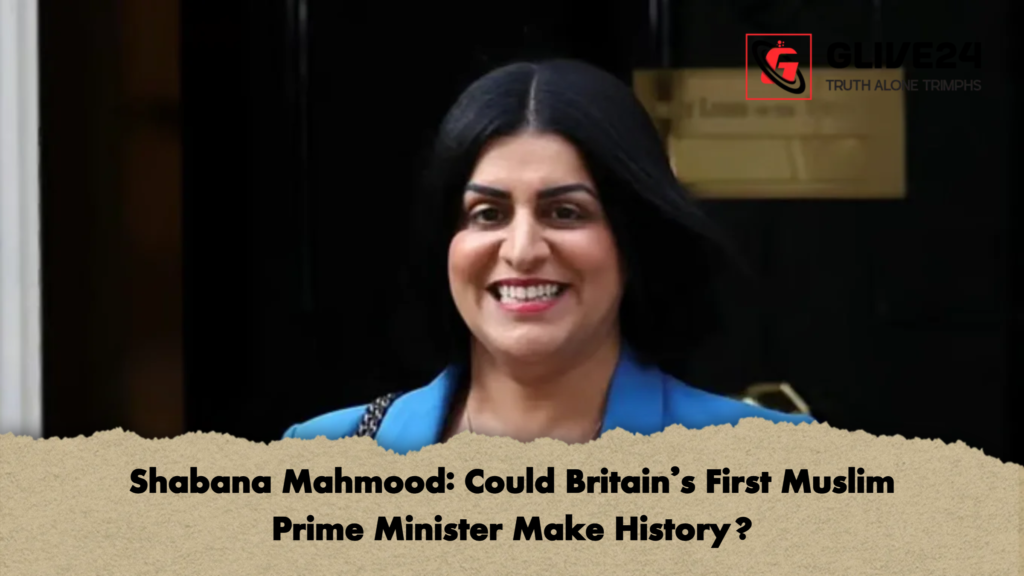
Amid a surge of political turbulence in the United Kingdom triggered by the leak of Epstein-related documents in the United States, Westminster is abuzz with speculation over the next potential Prime Minister. As Labour Party leader Keir Starmer faces one of the most challenging periods of his tenure, senior figures within the party are quietly deliberating who might succeed him. One name is rapidly emerging at the forefront: Shabana Mahmood.
A close ally of Starmer and the current Home Secretary, Mahmood is increasingly seen as a formidable contender within Labour’s upper echelons. Should a leadership contest arise, she could very well become the next party leader—and, if successful, she would make history as the first Muslim Prime Minister of the United Kingdom.
Political Context
The recent discussions surrounding Mahmood have been intensified by last week’s political unrest, which followed the appointment of Peter Mandelson as UK Ambassador to Washington. Mandelson’s past association with the late Jeffrey Epstein, who died in a New York prison in 2019, has reignited internal party criticism. The controversy forced Starmer’s Chief of Staff, Morgan McSweeny, to resign, ostensibly to shield the Prime Minister but inadvertently raising questions over governmental transparency.
With Labour’s public support reportedly at a historic low, party insiders privately concede that Starmer’s grip on power is now “fifty-fifty.” In this fraught environment, attention naturally turns to potential successors—and Mahmood is leading the conversation.
Shabana Mahmood: Key Facts
| Fact | Details |
|---|---|
| Age | 45 |
| Birthplace | Birmingham, UK |
| Family Background | Pakistani and Pakistan-administered Kashmir heritage |
| Education | Law, Lincoln College, Oxford (2002) |
| Parliamentary Career | First elected MP in 2010; one of the first three Muslim female MPs in the UK |
| Current Position | Home Secretary (since 2025) |
| Notable Distinction | Potentially the first Muslim Prime Minister of the UK if elected Labour leader |
Mahmood’s career trajectory—from barrister to senior politician—has earned her a reputation as a disciplined and articulate figure. Within the party, she is recognised as a loyal ally of Starmer and a leading representative of Labour’s centrist-right faction.
Policy Profile: Immigration and Leadership Appeal
As Home Secretary, Mahmood has taken a firm stance on immigration. She has proposed extending the minimum residency requirement for permanent settlement from five to ten years, describing permanent residency as “a privilege, not a right.” While this approach has sparked debate among Labour MPs and advocacy groups, many see it as an effort to restore public confidence.
Her dual positioning—capable of appealing to disaffected Muslim and pro-Palestinian voters while maintaining a centrist-conservative stance on law and order—adds a complex, compelling dimension to her political persona.
Other Potential Contenders
| Name | Age | Notes |
|---|---|---|
| Wes Streeting | 43 | Health Secretary, skilled speaker, vocal on Gaza issues |
| Angela Rayner | 45 | Deputy Leader, grassroots support, former union activist |
| Andy Burnham | 56 | Mayor of Greater Manchester, ex-Culture and Health Minister |
| Ed Miliband | 56 | Former Labour leader, experienced policy-maker |
Labour rules require the backing of at least 81 MPs to trigger a leadership election. Although no official challengers have yet emerged, the political analysis suggests Mahmood is currently best positioned to lead the party through this turbulent period.
As Westminster watches closely, Shabana Mahmood’s potential rise represents not only a personal achievement but a historic milestone in British politics. If successful, she would redefine the nation’s political landscape as its first Muslim Prime Minister.