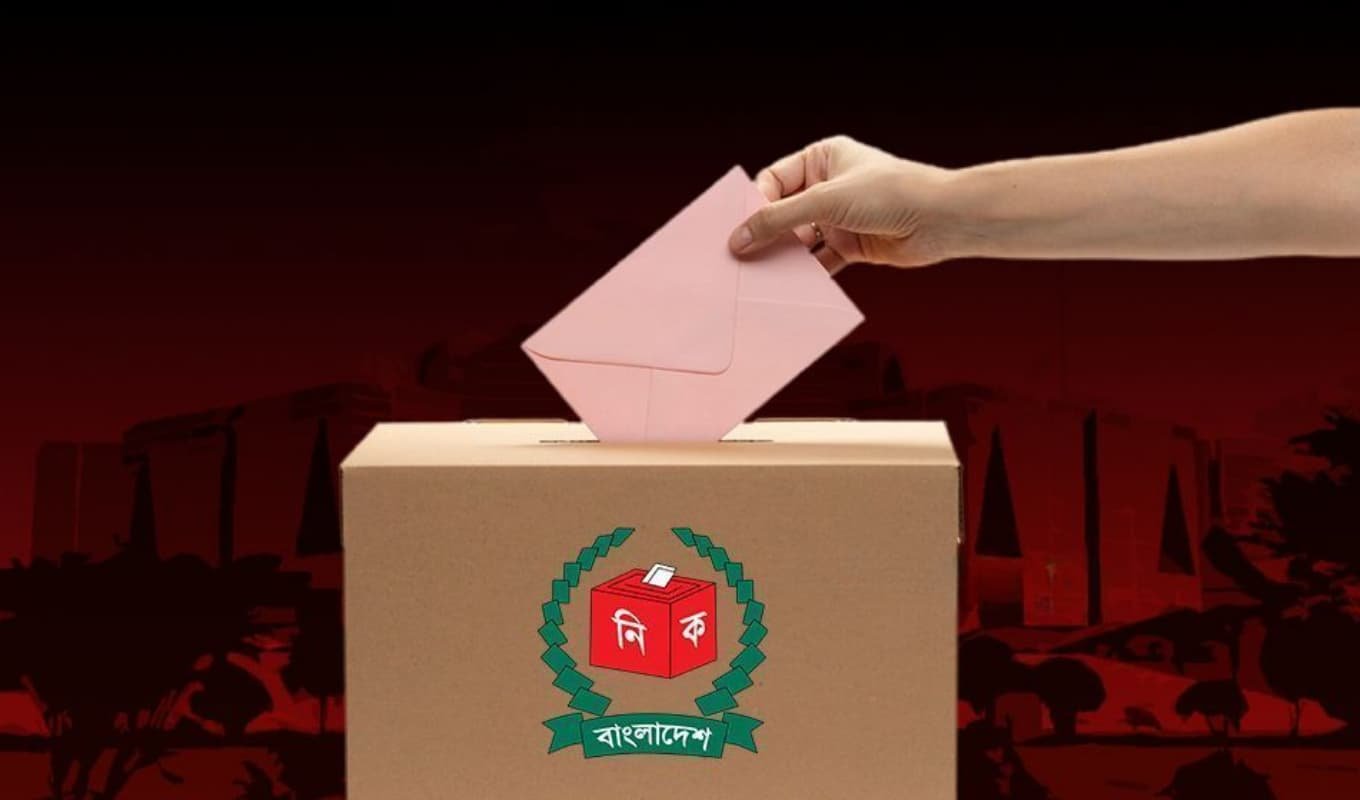
Bangladesh is preparing for a historic 13th parliamentary election, to be held simultaneously with a nationwide referendum—a first in the country’s history. Observers suggest this election carries unprecedented significance, potentially marking a turning point in Bangladesh’s democratic evolution.
Amid heightened political tensions, citizens have expressed a strong desire for a transparent, fair, and peaceful poll. Analysts emphasise the growing influence of previously underrepresented voter groups, whose choices may prove decisive in closely contested constituencies. Young voters aged 18–35 are widely regarded as the election’s “kingmakers,” while women—who make up nearly half of the electorate—and minority communities are expected to exert substantial influence. Even traditionally silent supporters of banned or marginalised political parties could determine outcomes through discreet voting.
Silent voters, defined by their reluctance to publicly reveal political preferences until casting their ballots, are emerging as a pivotal factor. Their decisions are difficult to predict and can significantly sway results, particularly in constituencies without a clear frontrunner.
The table below outlines the estimated size and role of key voter groups:
| Voter Group | Estimated Number | Notes |
|---|---|---|
| Total voters | 127,711,793 | – |
| Women voters | 62,885,200 | Nearly half of all voters |
| Young voters (18–35 years) | 50,000,000 | Considered primary “kingmakers” |
| Minority community voters | 10,000,000+ | Not formally aligned with any major party |
| Grassroots Awami League supporters | 5–6 million | Typically vote silently |
Political analysts note that young voters tend to prioritise candidate competence and local development agendas over strict party loyalty. Women’s votes, particularly those of individuals less active in conventional politics, may prove crucial. Minority voters are also expected to be decisive in sensitive or marginal constituencies.
Election expert Dr Abdul Alim commented, “Candidates who win the confidence of young voters are far more likely to succeed. Their choices will largely determine the final outcome.”
Recent studies indicate that this election could be decided by narrow margins, with silent voters potentially holding the balance of power. Their influence reflects the evolving nature of political participation in Bangladesh and underscores the importance of engaging voter segments that have historically been overlooked. As the nation heads to the polls, attention is firmly on those who have until now remained quiet—the silent electorate, whose decisions may shape Bangladesh’s democratic future for years to come.