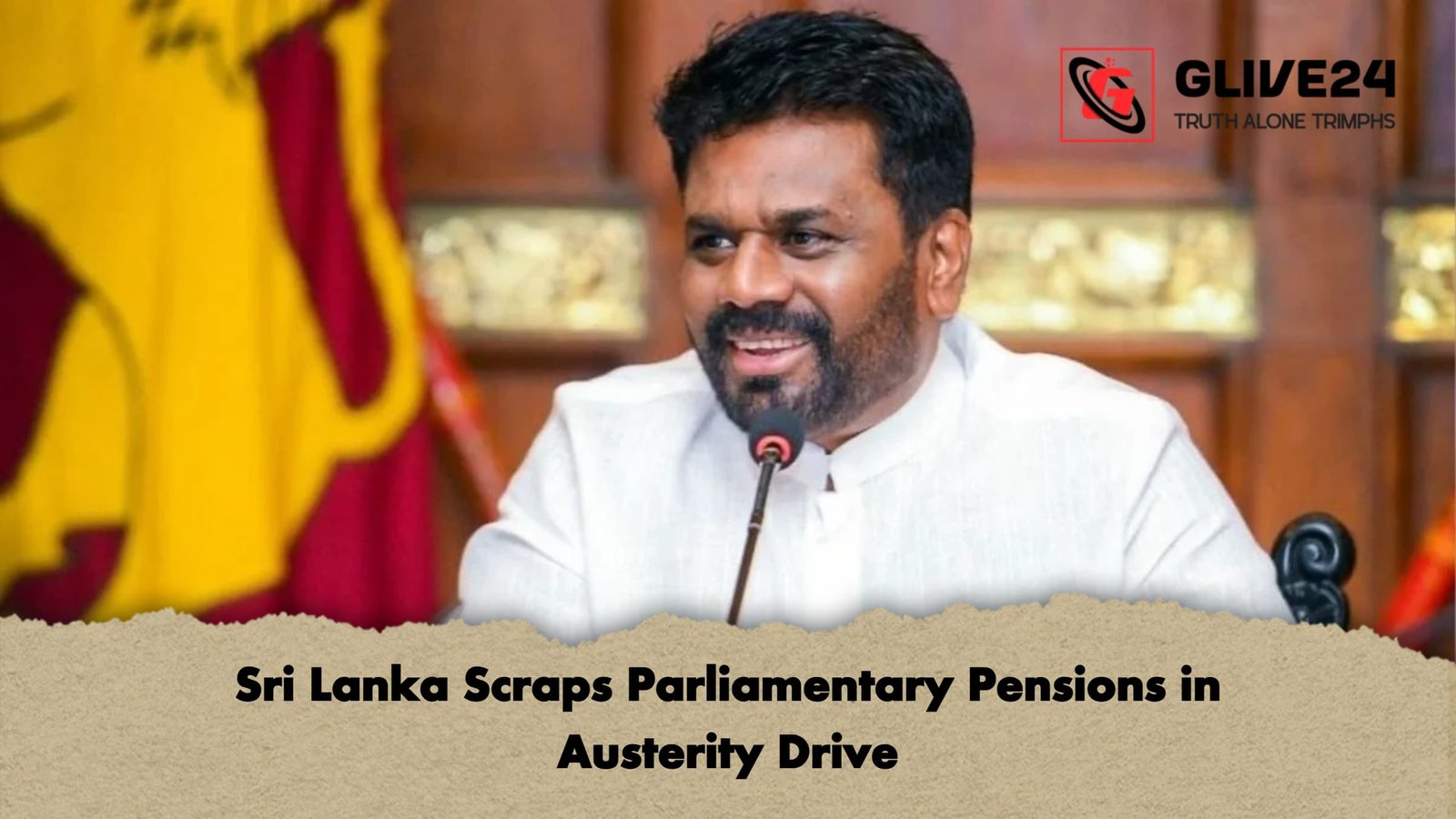
In a landmark move aimed at dismantling the long-standing privileges of the political elite, the Sri Lankan Parliament voted overwhelmingly on Tuesday, 17 February 2026, to abolish pension benefits for Members of Parliament (MPs) and their surviving spouses. This historic decision marks a pivotal moment in the legislative agenda of President Anura Kumara Dissanayake’s left-leaning administration, which surged to power on a mandate of fiscal discipline and anti-corruption.
Table of Contents
Dismantling a 49-Year-Old Legacy
The repeal of the Parliamentary Pension Act of 1977 represents the most significant strike yet against what the current government describes as “state-sponsored luxury.” For nearly half a century, Sri Lankan legislators enjoyed a non-contributory pension after serving just five years in office—a stark contrast to the ten years of service required for ordinary civil servants to qualify for similar state support.
Minister of Justice Harshana Nanayakkara, who introduced the motion, delivered a scathing critique of the political class during the debate. He noted that the quality of parliamentary discourse and the perceived conduct of representatives had eroded public trust to such an extent that “the citizenry no longer believes their representatives are deserving of a lifelong state stipend.”
Comparative Pension Eligibility in Sri Lanka
| Category | Minimum Service for Pension | Benefit Status |
| Former MP System | 5 Years | Abolished (Feb 2026) |
| Standard Civil Service | 10 Years | Active |
| Widows/Widowers of MPs | Immediate upon death of MP | Abolished (Feb 2026) |
A Divided Chamber
The motion passed with a commanding two-thirds majority, reflecting the ruling party’s dominance in the 225-member assembly. Of those present, 154 lawmakers voted in favour, while only two dared to oppose the measure.
The opposition, led by Sajith Premadasa, raised concerns regarding the long-term implications of the cut. Premadasa argued that a lack of financial security following public service might inadvertently incentivise corruption. “Without a safety net, retiring members may be tempted to amass illicit wealth during their tenure to secure their twilight years,” he warned.
Broader Crackdown on Presidential Perks
This legislative victory is part of a broader “clean-up” operation initiated since September 2025. The Dissanayake government has systematically stripped former presidents of their state-funded luxuries, including:
Official Residences: High-profile figures, including members of the Rajapaksa dynasty, have been pressured to vacate government-owned bungalows.
Security Details: Thousands of bodyguards previously assigned to former leaders have been reassigned to active police duties.
Vehicle Fleets: Hundreds of luxury SUVs and fuel allowances have been withdrawn to save millions in taxpayer rupees.
These reforms are designed to heal the deep societal wounds left by the 2022 economic collapse, which many Sri Lankans attribute to decades of systemic mismanagement and political entitlement. By aligning the benefits of politicians with those of the common man, the government hopes to restore faith in the democratic process.