
Two National Guard members were critically injured Wednesday in a shooting less than two blocks from the White House in Washington, D.C., an incident city officials described as a “targeted attack.” The assailant reportedly fired at the guards during a high-visibility patrol near the Farragut Square Metro Station, a busy area for office workers, at approximately 2:15 PM EST (19:15 GMT).
Police said the suspect, later identified as Rahmanullah Lakanwal, an Afghan national who entered the United States in September 2021, ambushed the two guards. Metropolitan Police Assistant Chief Jeff Carroll explained, “He came around the corner and immediately began firing,” before other nearby National Guard members responded and subdued him. Responding officers shot the suspect four times. The critically injured guards have not been publicly identified.
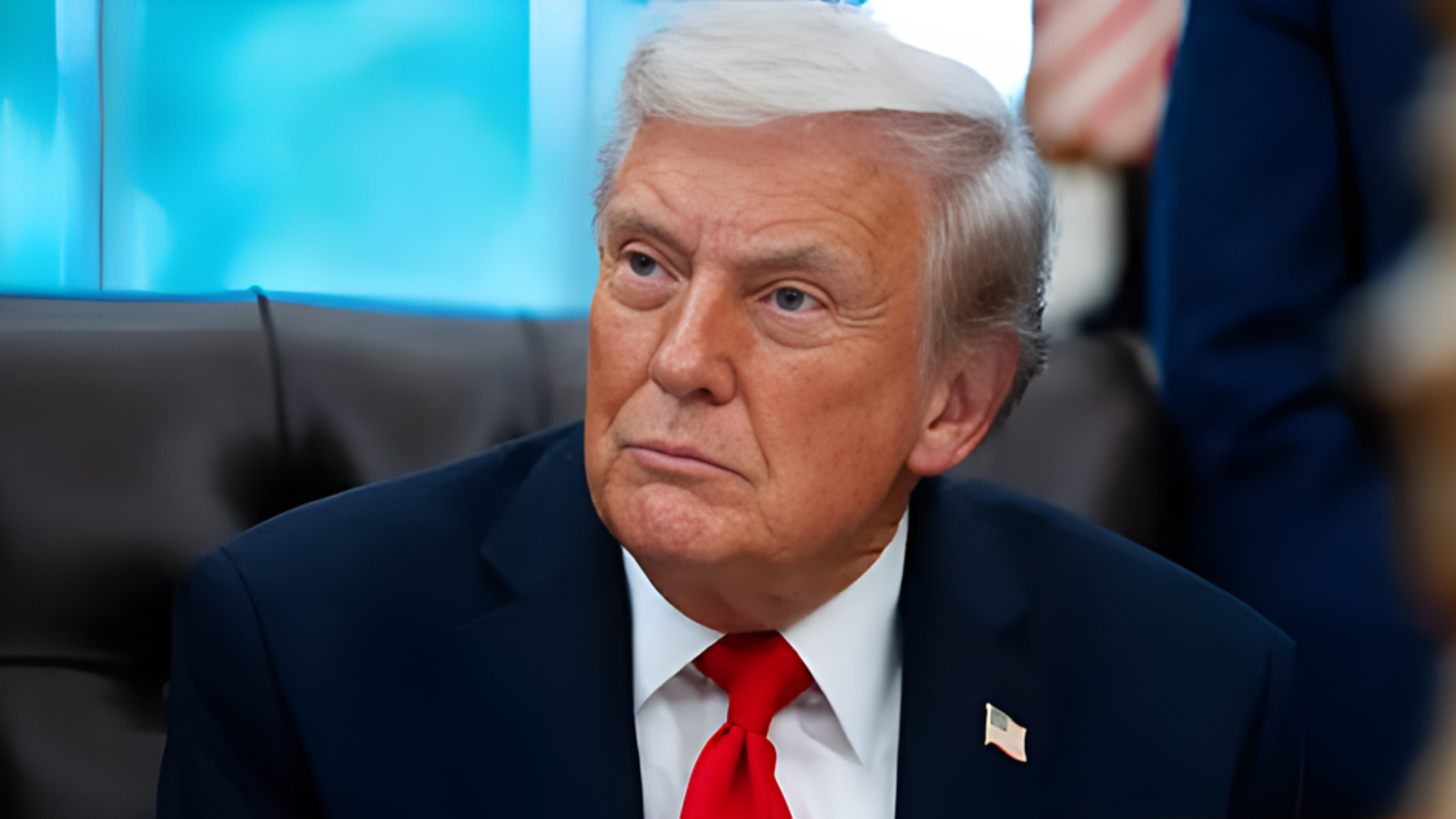
US President Donald Trump, who was in Florida at the time, condemned the attack as “an act of hatred and terror” and vowed that the suspect would “pay the steepest possible price for this evil act.” The Department of Homeland Security described Lakanwal as a “criminal alien from Afghanistan,” though his exact immigration status remains unclear.
The shooting has intensified scrutiny of Afghan nationals who entered the US under special immigration protections following the chaotic withdrawal from Afghanistan in 2021. Following the incident, President Trump stated that the administration would review all Afghan entrants admitted under President Biden’s administration. In line with this, the US Citizenship and Immigration Services (USCIS) has temporarily halted processing all Afghan immigration applications pending a review of vetting procedures.
FBI Director Kash Patel, who is leading the investigation, described the assault as “a brazen attack on soldiers in a horrendous act of violence.” The suspect was quickly apprehended, and authorities are conducting a full investigation into the circumstances and possible motives behind the attack.
The location of the shooting—near the corner of 17th and I Streets—was part of a high-visibility National Guard patrol, emphasizing security in a downtown area frequented by office workers and tourists. Eyewitnesses reported hearing rapid gunfire followed by chaos as people sought safety, while the immediate intervention by nearby guards helped prevent further casualties.
This incident has sparked a broader debate regarding US immigration policy and security measures for Afghan nationals admitted under special programs. Officials have indicated that security protocols and vetting processes will undergo immediate review to prevent similar attacks in the future.
Authorities continue to monitor the condition of the injured National Guard members, while the investigation into the suspect’s background, motivations, and potential connections remains ongoing. The city has also increased security in the surrounding areas near government buildings and high-traffic zones in response to the attack.
The Washington, D.C., shooting underscores the vulnerability of security personnel even in highly monitored areas near national landmarks, and officials are calling for vigilance while ensuring that law enforcement and National Guard forces have the support needed to carry out their duties safely.
This shocking incident is a stark reminder of the challenges faced by both security forces and policymakers in addressing threats from individuals with unclear immigration or criminal backgrounds, prompting both immediate and long-term reviews of security and vetting procedures.