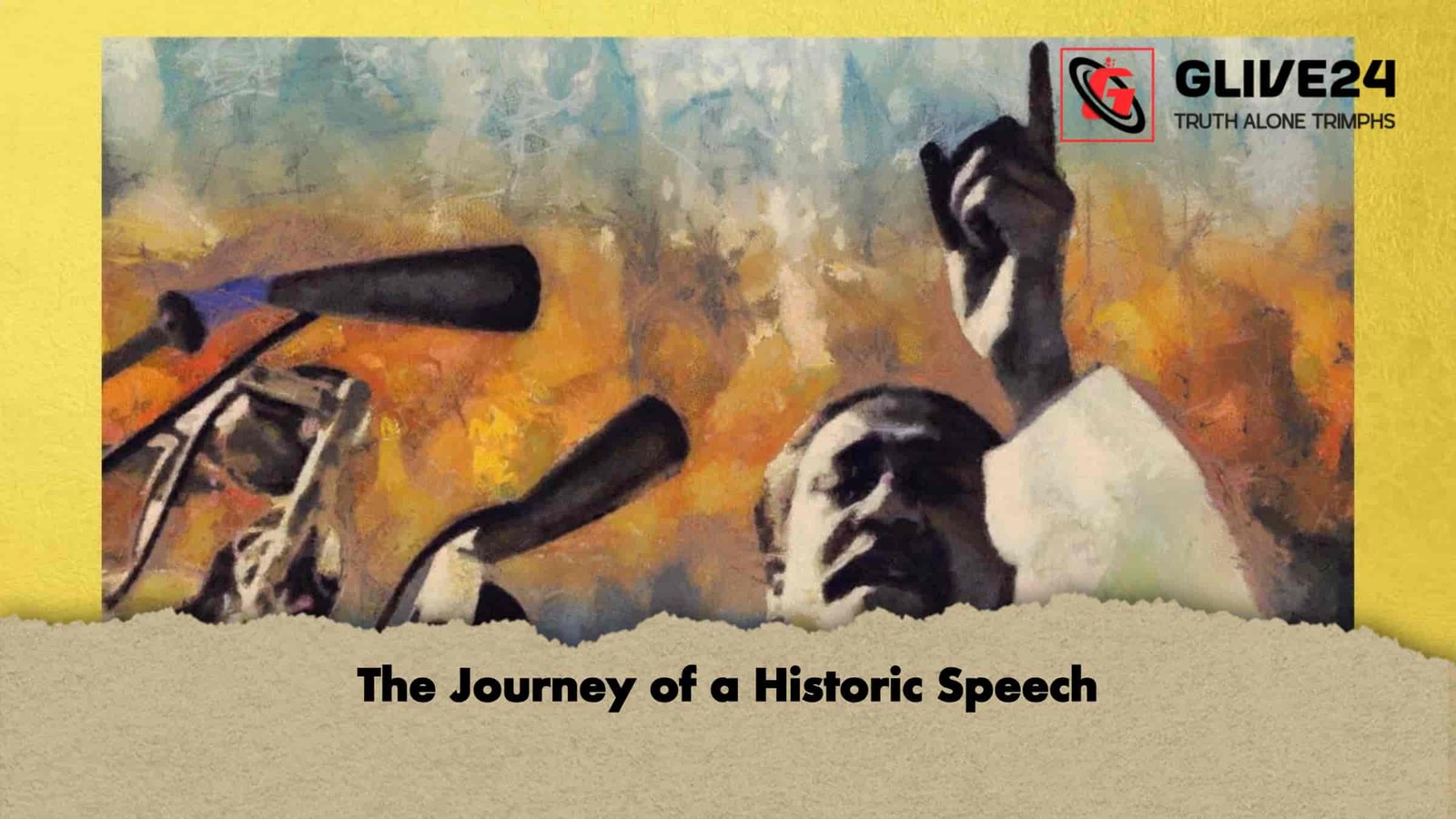
The historic address delivered on 7 March 1971 by Sheikh Mujibur Rahman, widely regarded as the founding leader of Bangladesh, is today recognised as part of the world’s documentary heritage. On 30 October 2017, UNESCO formally inscribed the speech on its Memory of the World Register, granting it global recognition as a historically significant document.
This international acknowledgement is considered a moment of pride for the people of Bangladesh. The recognition ensures that the speech will be preserved and studied by future generations as an enduring symbol of the struggle for justice, freedom and national self-determination.
Table of Contents
A Defining Moment in History
On 7 March 1971, Sheikh Mujibur Rahman addressed a vast gathering at the then Racecourse Ground in Dhaka, now known as Suhrawardy Udyan. At the time, the region was part of Pakistan and was experiencing escalating political tensions and demands for autonomy.
Before hundreds of thousands of people, Mujibur Rahman delivered a powerful speech that effectively mobilised the population and laid the groundwork for the struggle that soon culminated in the Bangladesh Liberation War.
The speech was carefully documented by personnel from the government film division, which later became the Department of Film and Publications. Their decision to record the address proved crucial in preserving one of the most significant moments in South Asian political history.
Efforts Toward Global Recognition
Decades later, initiatives began to secure international recognition for the speech. Dr Mohammad Jahangir Hossain, a former chief information officer and later Director General of the Bangladesh Film Archive, undertook efforts to collect historical materials related to the address.
In 2015, he submitted a proposal to UNESCO seeking recognition of the speech as a major documentary heritage record. At the same time, another proposal was sent by Mohammad Liaquat Ali Khan, then Director General of the Department of Film and Publications.
In March 2016, additional institutions joined the effort, including the Liberation War Museum and the Ministries of Information and Foreign Affairs. The then Foreign Minister Abul Hassan Mahmood Ali instructed Bangladesh’s ambassador to France and permanent representative to UNESCO, Shahidul Islam, to pursue the inscription of the speech in the Memory of the World Register.
Following consultations and submission of the formal nomination, UNESCO conducted an extensive review process before officially declaring the speech part of the world’s documentary heritage on 30 October 2017.
Timeline of Key Milestones
| Year | Event |
|---|---|
| 1971 | Sheikh Mujibur Rahman delivers the historic speech in Dhaka |
| 2015 | Formal proposal submitted to UNESCO for recognition |
| 2016 | Government ministries and historical institutions join the nomination process |
| 2017 | UNESCO declares the speech part of the Memory of the World Register |
Courageous Preservation During Conflict
The survival of the speech’s original recordings is itself a remarkable story. The footage was captured by several film division personnel, including director Mohibbur Rahman Khayer and cameramen who took the risk of documenting the event during a volatile political period.
After the military crackdown in Dhaka on 25 March 1971, there were fears that the occupying forces might destroy the recordings. To prevent this, staff members secretly transferred the audio and film reels into a large steel trunk and moved them out of the city.
Despite heavy military patrols, the trunk containing the reels was transported across the Buriganga River and hidden in a rural residence in Munshiganj. It remained concealed until Bangladesh achieved independence later that year.
Years later, following the assassination of Sheikh Mujibur Rahman in 1975, conspirators reportedly searched for the recording in an attempt to destroy it. Dedicated archive workers protected the original negatives by hiding them inside different film containers in the archive library, allowing the historic material to survive.
Today, the original recording equipment used to capture the speech, including the Nagra sound recorder and the film camera, is preserved by the Department of Film and Publications.
The recognition of the 7 March speech as world documentary heritage ensures that this defining moment in the history of Bangladesh will remain accessible to scholars, historians and the global community for generations to come. It stands not only as a national milestone but also as a powerful testament to the universal struggle for freedom and dignity.