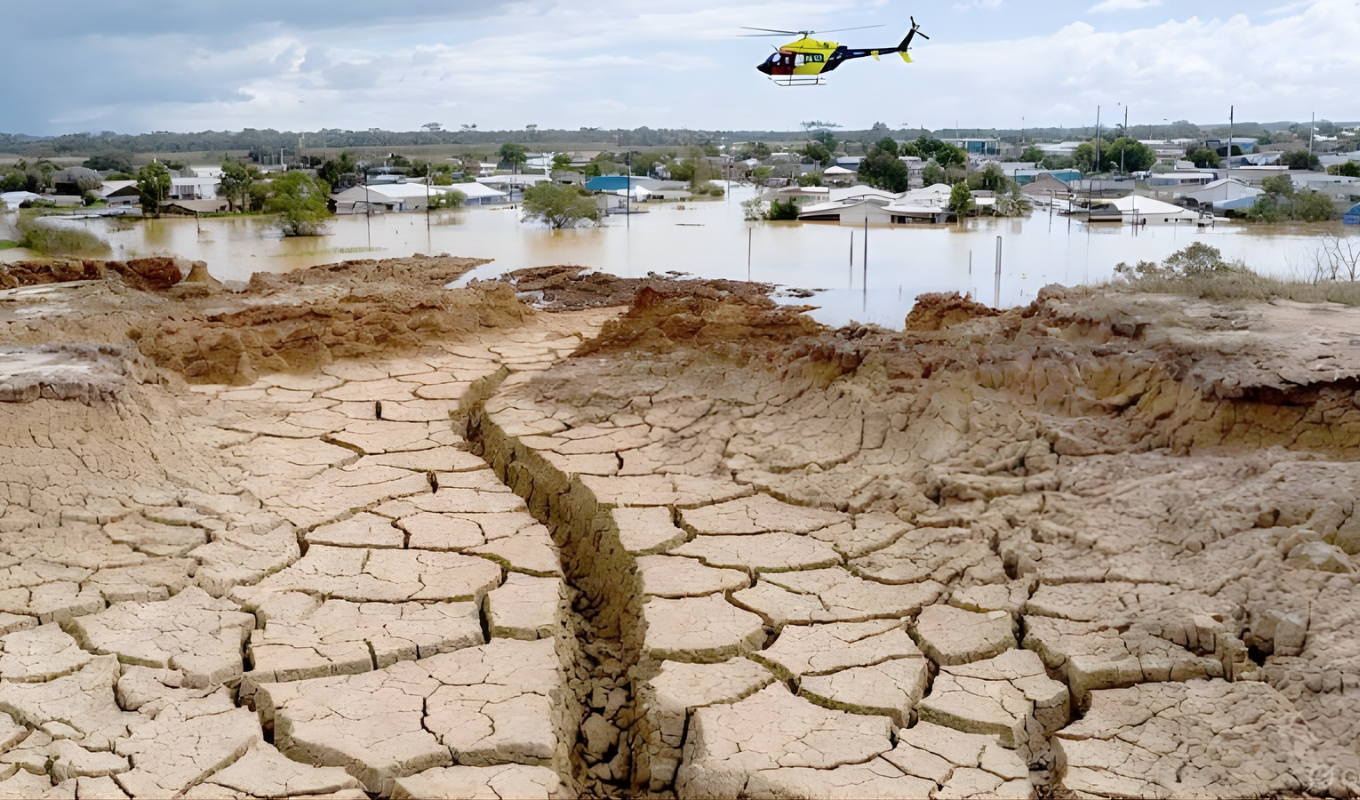
Australia is confronting an escalating threat from natural disasters, driven largely by climate change, yet current investments in adaptation measures remain inadequate, warns a recent report from the Actuaries Institute. The analysis cautions that if this investment gap persists, climate-related economic losses could more than double over the coming decades, posing a significant risk to national economic stability.
At present, natural disasters—including cyclones, floods, wildfires, and severe storms—inflict an estimated annual economic loss of approximately 38 billion Australian dollars. Projections indicate that, without improved adaptation measures, this figure could surge to 73 billion Australian dollars by 2060. The compounded effects of repeated events are placing sustained pressure on infrastructure, housing, agricultural production, and commercial operations across the country.
The report identifies several structural weaknesses in national policy and planning as major contributors to the shortfall in adaptation investment. Conventional cost-benefit analyses often fail to incorporate the long-term benefits of risk reduction, delaying critical projects such as coastal defence works, flood mitigation schemes, enhanced fire safety infrastructure, and the rebuilding of communities in high-risk areas.
The insurance sector is particularly vulnerable to rising climate risks. Premiums have increased in many regions, while some areas are now effectively uninsurable. The Actuaries Institute warns that without an escalation in adaptation spending, insurance markets will become increasingly volatile, potentially triggering knock-on effects that could destabilise other sectors of the economy.
Lead author Ramona Myrie emphasised that “investment in adaptation is no longer optional; it is essential to mitigate future costs.” She urged that national climate risk assessments and adaptation plans be translated into concrete, timely actions, highlighting that political will, economic foresight, and decisive intervention are critical to safeguarding both public safety and national economic resilience.
The following table summarises the projected economic losses due to natural disasters under current adaptation investment levels:
| Year | Projected Annual Loss (AUD) | Notes on Impact |
|---|---|---|
| 2023 | 38 billion | Current average annual loss from cyclones, floods, wildfires, and storms |
| 2040 | 55 billion | Losses increase due to more frequent extreme weather events |
| 2060 | 73 billion | Without enhanced adaptation, economic and infrastructural strain escalates significantly |
The report concludes that timely, risk-informed investment in adaptation infrastructure and policies is crucial. Failure to act not only threatens financial stability but also endangers communities, essential services, and long-term development prospects across Australia.