
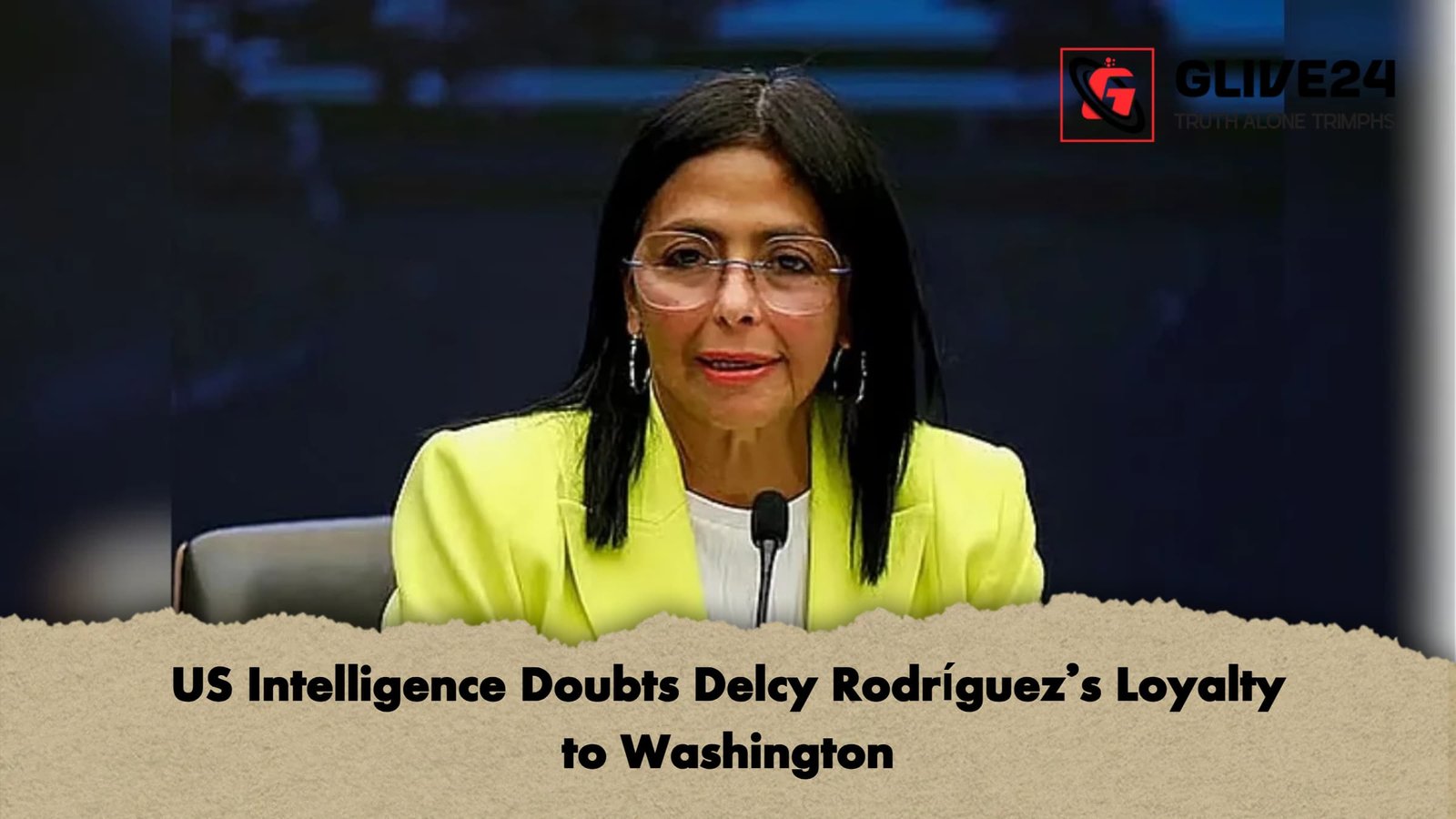
A classified US intelligence report has cast significant doubt on whether Venezuela’s interim president, Delcy Rodríguez, is truly prepared to sever ties with Washington’s adversaries and align fully with the Trump administration. Despite publicly accepting the mantle of leadership following the dramatic capture of Nicolás Maduro by US forces on 3rd January, Rodríguez’s long-standing connections to the previous regime remain a point of intense friction in the White House.
Table of Contents
The Diplomatic Tug-of-War
Washington has been explicit in its demands: for the interim government to receive continued American backing, it must expel diplomats and military advisors from Iran, China, and Russia. However, intelligence sources indicate that Rodríguez has yet to make a formal move against these traditional allies. Notably, representatives from all three nations attended her inauguration earlier this month, sparking concerns that Caracas is attempting a “double-game” of seeking US investment while maintaining back-door channels with Moscow and Beijing.
The stakes are exceptionally high for the Trump administration, which views Venezuela’s vast oil reserves—the largest in the world—as a strategic prize. A total pivot by Rodríguez would open the floodgates for American energy giants to reinvest in the country’s dilapidated infrastructure. Conversely, failure to secure her total cooperation could collapse Washington’s influence and potentially force a more direct, and costly, military intervention.
Strategic Leverage and “Maximum Pressure”
Despite the scepticism within the intelligence community, Rodríguez has made several “goodwill” gestures to appease Washington. These include the release of high-profile political prisoners and the authorised sale of 30 to 50 million barrels of oil to the United States.
| Country | Nature of Influence in Venezuela | US Demand to Rodríguez |
| Russia | Military hardware and missile systems. | Immediate expulsion of military advisors. |
| China | Massive infrastructure loans swapped for oil. | Debt restructuring and cessation of oil shipments. |
| Iran | Technical support for oil refinery repairs. | Termination of all technical and energy pacts. |
| Cuba | Intelligence and security cooperation. | Total removal of Cuban security personnel. |
The “Machado” Alternative
While the CIA and the White House are currently betting on Rodríguez due to her existing control over the military and oil sectors, they are keeping a “long-term alternative” in reserve: María Corina Machado.
Opposition leader Machado is widely popular in Washington and is seen as a more ideologically aligned partner. However, current intelligence assessments suggest she lacks the necessary “boots on the ground” and institutional influence to govern effectively at this stage. President Trump recently hinted that he would like to see Machado “involved” in the leadership, potentially in a senior advisory role, as a check on Rodríguez’s power.
A Precarious Future
The situation remains volatile. On Sunday, Rodríguez expressed “irritation” at continued US interference, yet US officials insist that private dialogues remain positive. As the CIA continues to monitor the movement of foreign advisors in Caracas, the interim president is walking a razor-thin tightrope between the geopolitical demands of the West and the deep-seated loyalties of the Venezuelan state apparatus.