Khabor Wala Desk
Published: 15th February 2026, 6:52 AM
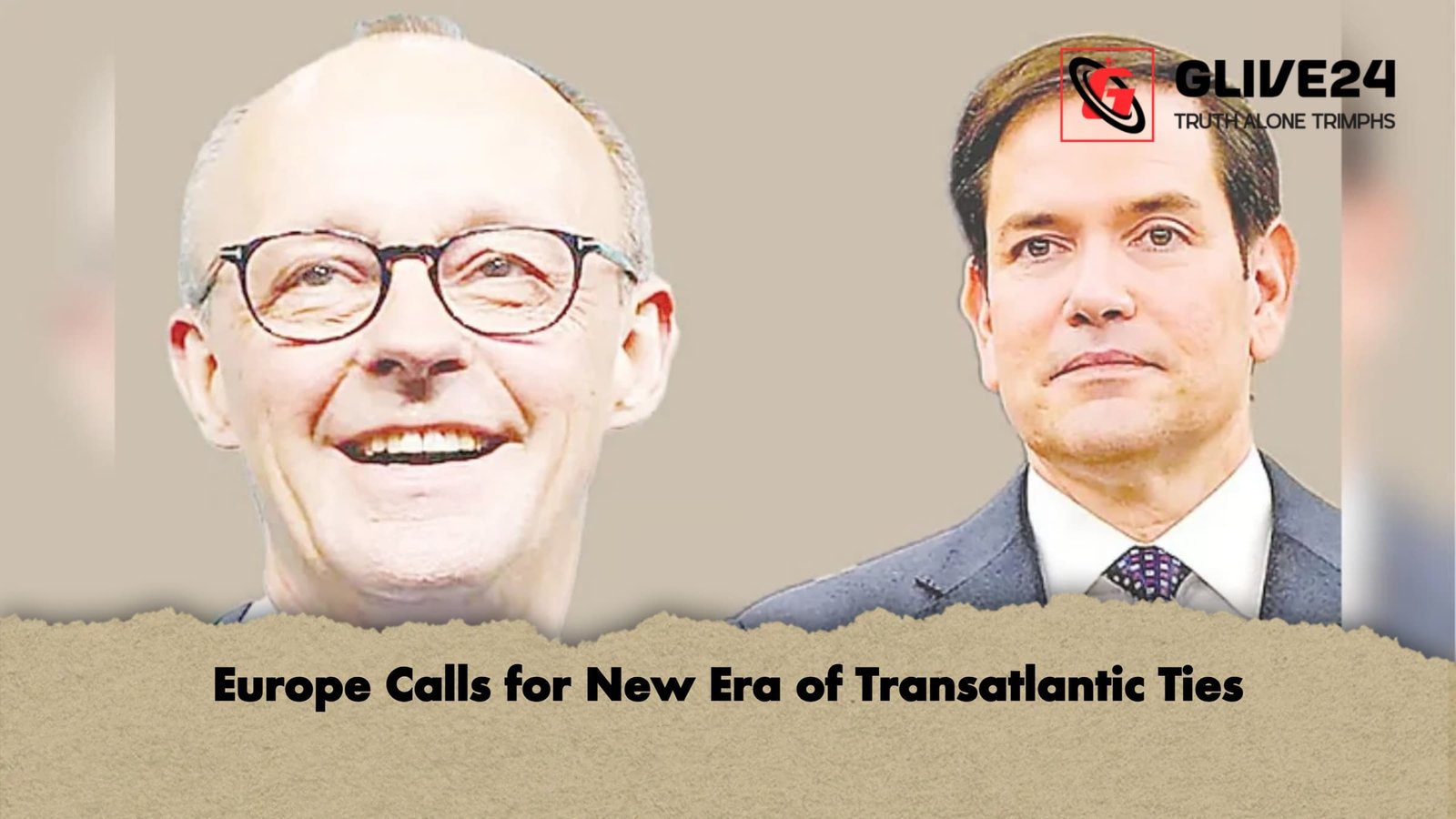
In the wake of shifting geopolitical dynamics and assertive rhetoric from the White House, European leaders have utilised the Munich Security Conference to call for a fundamental “reconstitution” of their alliance with the United States. The annual summit, which commenced on Friday in the Bavarian capital, has been dominated by discussions on the future of the North Atlantic Treaty Organization (NATO) and the necessity of a more self-reliant European defence posture.
Table of Contents
German Chancellor Friedrich Merz opened the proceedings with a poignant appeal for a “new transatlantic partnership.” Addressing the uncertainties prompted by US President Donald Trump’s recent critiques of the alliance, Merz argued that NATO remains a “competitive advantage” not only for the Continent but for Washington as well. “Let us work together to restore transatlantic trust,” he urged, suggesting that the era of European passivity in security matters is swiftly coming to an end.
Echoing these sentiments, French President Emmanuel Macron reinforced his long-standing vision of “strategic autonomy,” asserting that the current global climate mandates the creation of a “powerful Europe” capable of acting independently when necessary.
The second day of the conference saw intense diplomatic activity involving US Secretary of State Marco Rubio. In a high-stakes meeting with Chancellor Merz, Rubio discussed the ongoing conflict in Ukraine, the potential for future negotiations with Moscow, and the continued provision of military hardware.
Simultaneously, Rubio engaged in a significant dialogue with Chinese Foreign Minister Wang Yi. According to Chinese state media, Wang advocated for a de-escalation of tensions, stating that “dialogue is superior to confrontation, and cooperation is better than conflict.”
A primary theme of the 2026 summit is the urgent increase in defence budgets among NATO’s European members. NATO Secretary General Mark Rutte noted that Europe is now assuming a more prominent leadership role within the alliance. “A stronger Europe within a stronger NATO means a more resilient transatlantic bond,” Rutte remarked, highlighting that members are finally taking greater responsibility for their own territorial integrity.
| Key Speaker | Core Message / Theme | Key Quote |
| Friedrich Merz | Restoration of Trust | “NATO is a competitive advantage for the US.” |
| Emmanuel Macron | European Sovereignty | “A powerful Europe is the demand of our time.” |
| Sir Keir Starmer | Defence Independence | Europe is a “sleeping giant” that must wake up. |
| Mark Rutte | Collective Strength | “Europe is taking more responsibility for defence.” |
| Wang Yi | De-escalation | “Cooperation is better than conflict.” |
British Prime Minister Sir Keir Starmer is also expected to deliver a landmark address. Pre-released excerpts from his office suggest a bold metaphor, describing Europe as a “sleeping giant” in the realm of global security. Starmer’s speech is anticipated to advocate for a drastic reduction in Europe’s military dependence on American assets, urging his continental neighbours to mobilise their industrial and military potential to safeguard the collective future.
The conference, attended by representatives from over 60 nations, serves as a critical barometer for the health of Western alliances as they navigate an increasingly multipolar and volatile world.

Comments