
Khabor Wala Desk
Published: 18th February 2026, 12:41 PM
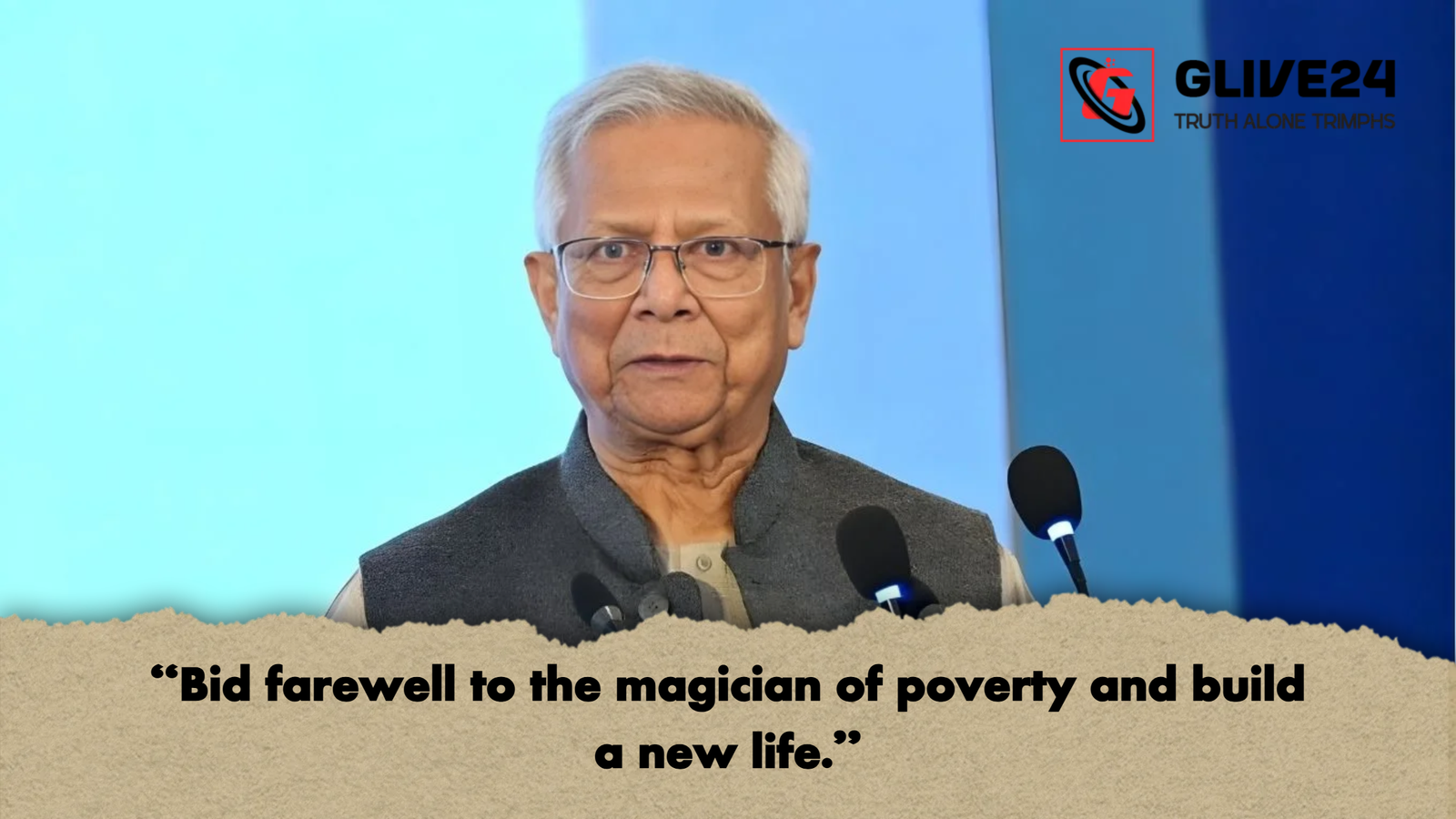
Dr Muhammad Yunus, Nobel Peace Prize laureate and globally recognised for his vision of “sending poverty to the museum,” had a historic opportunity to tackle poverty while serving as Chief Adviser of Bangladesh’s interim government. Appointed on 8 August 2024 following the downfall of the Awami League government through a popular uprising, Yunus inherited widespread political support—from student movements to opposition parties including BNP, Jamaat, and NCIP—and full discretion over his advisory council and special assistants. Yet, despite this unprecedented mandate, the country saw an alarming increase in poverty, with 3 million new individuals falling below the poverty line during his tenure.
Table of Contents
Prominent economist and former Vice-Chancellor of Jahangirnagar University, Professor Abdul Bayes, observed, “People expected that under Yunus, Bangladesh’s faltering economy would recover. Instead, almost all economic indicators fell sharply. Remittances and foreign reserves were the only bright spots.”
During Yunus’s administration, business confidence plummeted, industrial production declined, and both domestic and foreign investment stagnated. Unemployment rose, while inequality widened. According to the World Bank, nearly 3 million new people became impoverished under his government.
| Indicator | 2024 Mid-Year | 2025 Mid-Year | Change | Notes |
|---|---|---|---|---|
| Private sector investment (% of GDP) | 24.0 | 22.48 | -1.52 | Lowest in 40 years |
| ADP implementation rate (government projects) | 11.5% | – | – | Lowest in 10 years |
| Non-performing loans | 20.2% | 35.73% | +15.53% | World’s highest ratio |
| Government debt (local & foreign) | 22.51 trillion BDT | 23.0 trillion BDT | +0.49 trillion | Includes new domestic & foreign loans |
| Inflation | – | 8.5% | – | Wage growth 8.1% |
By September 2025, the total non-performing loans in Bangladeshi banks had reached BDT 644,515 crore, representing 35.73% of total disbursed loans—the highest rate globally. Meanwhile, Yunus left office with the national debt rising to approximately BDT 23 lakh crore, including both domestic and foreign borrowings.
Consumer price inflation in December 2025 stood at 8.5%, surpassing the average wage increase of 8.1%. This decline in real purchasing power, coupled with higher lending rates aimed at curbing inflation, further depressed private sector borrowing and investment, increasing operational costs for businesses.
Dr Yunus’s tenure was also marred by allegations of corruption, nepotism, and lack of transparency. His administration reportedly granted preferential treatment to institutions connected with him, including tax exemptions and reduced government shareholding in the Grameen Bank from 25% to 10%. Approvals for projects such as Grameen University and Grameen Telecom’s digital wallet were fast-tracked without public scrutiny. Despite initiating 11 reform commissions and producing extensive policy reports, very little was implemented.
Civil society critics argue that while Yunus proudly cited increased foreign reserves and remittance inflows, these gains came at the cost of industrial stagnation, reduced energy production, and higher living costs for ordinary citizens. Furthermore, his tenure witnessed episodes of mob violence, destruction of cultural heritage, and extrajudicial killings, raising serious questions about law and order under his leadership.
Although globally promoted for his “Three Zeros” campaign—zero poverty, zero unemployment, and zero carbon emissions—Dr Yunus failed to achieve even the first two objectives during his time as interim head of government. As he prepares to return to his prior roles, the pressing question remains: can he convincingly re-engage the world on his vision after such stark domestic failures?




Comments