
Khabor Wala Desk
Published: 1st March 2026, 6:26 AM
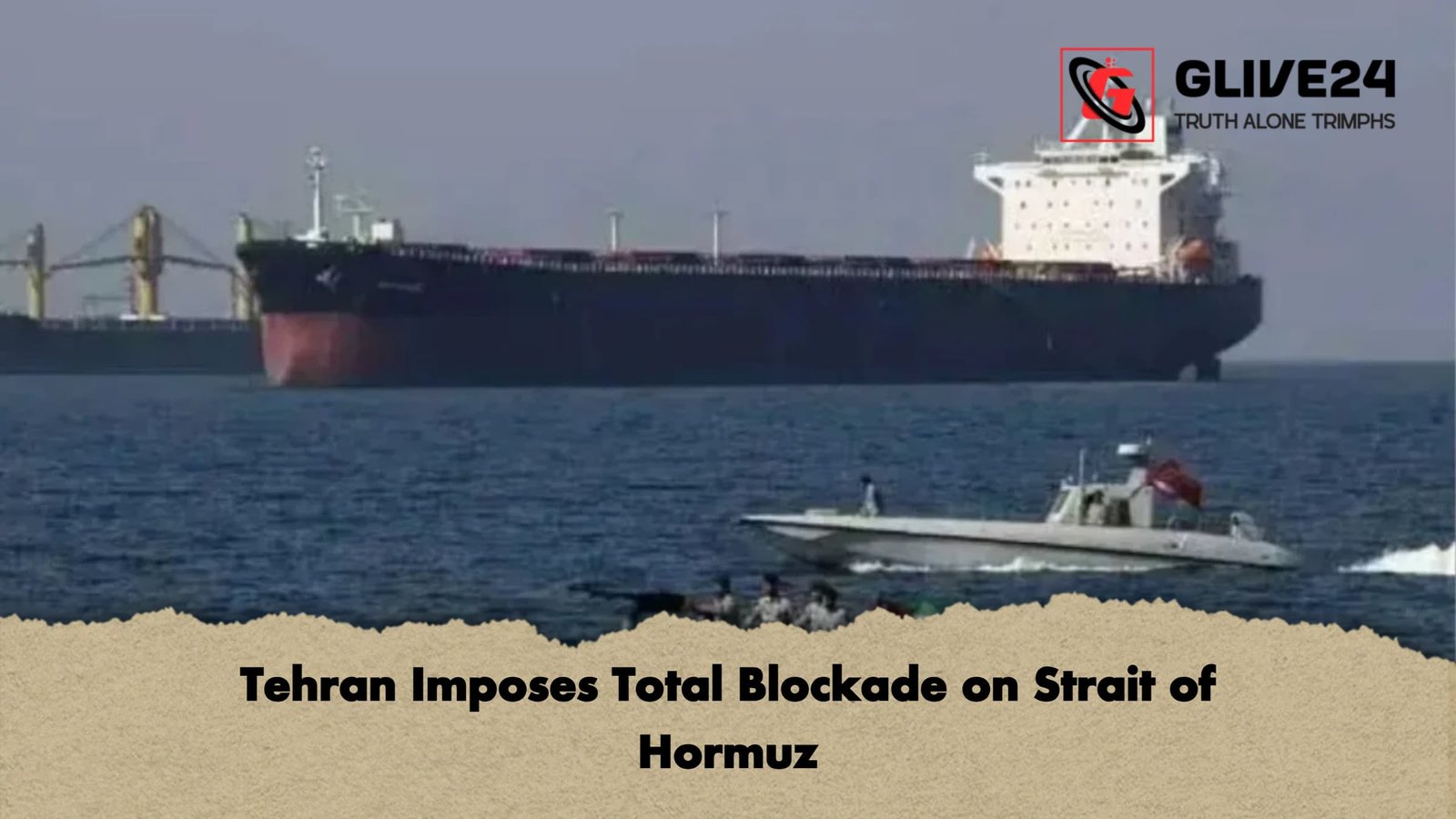
The global energy market has been plunged into a state of acute crisis following the announcement by the Islamic Republic of Iran that it has officially shuttered the Strait of Hormuz. This narrow, strategically vital waterway serves as the primary maritime artery connecting the Persian Gulf to the Gulf of Oman and the Arabian Sea. The move, confirmed by officials within the European Union’s naval mission, Operation Aspides, marks one of the most significant escalations in maritime history.
A spokesperson for the Islamic Revolutionary Guard Corps (IRGC) issued an uncompromising directive, stating that “no further vessel traffic will be permitted through the Strait” until further notice. This blockade effectively traps the oil exports of the world’s most prolific producers within the Gulf, severed from their primary markets in Asia and Europe.
The Strait of Hormuz is widely regarded as the world’s most important oil chokepoint. Approximately 20 million barrels of crude oil and petroleum products transit this passage daily, representing nearly a fifth of global liquid petroleum consumption. Furthermore, it is the essential corridor for liquefied natural gas (LNG) from Qatar, the world’s largest exporter.
The suspension of transit through this maritime corridor is expected to trigger a seismic shock to global fuel prices. Major oil-producing nations, including Saudi Arabia, Iraq, the United Arab Emirates, and Kuwait, rely almost exclusively on this route for their seaborne exports. While some nations possess overland pipelines to bypass the Strait, their capacity is insufficient to compensate for the massive volume typically carried by VLCCs (Very Large Crude Carriers).
| Metric | Estimated Impact of Blockade |
| Daily Oil Flow | ~20.5 Million Barrels per Day (bpd) |
| Global Consumption Share | Approximately 21% of total global oil trade |
| Primary Commodities | Crude Oil, Condensates, and Liquefied Natural Gas (LNG) |
| Alternative Routes | Limited capacity via East-West Pipeline (Saudi) and ADCOP (UAE) |
| Projected Price Volatility | High; potential for immediate double-digit percentage surges |
Western capitals and energy analysts have warned that a prolonged closure would lead to a catastrophic disruption of the global supply chain. Beyond energy, the Strait is a vital route for general cargo and food imports into the Gulf monarchies.
The international community is now bracing for a potential military response to reopen the waterway, as the “freedom of navigation” in the Strait is considered a red line by the United States and its allies. For now, the global economy remains on a knife-edge, awaiting the next move in this high-stakes maritime standoff.



Comments