
Khabor Wala Desk
Published: 28th April 2026, 1:10 AM
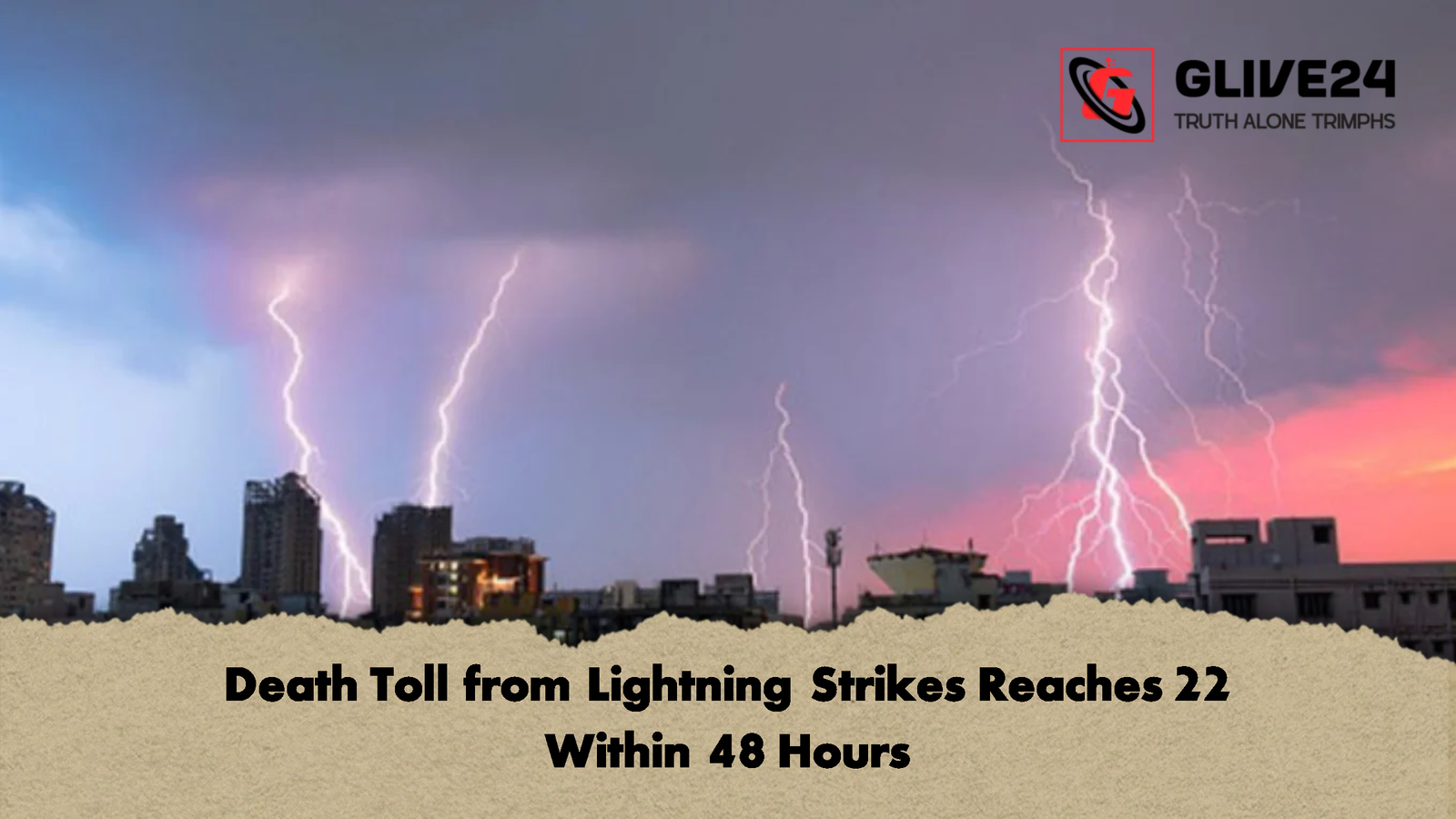
The impact of severe pre-monsoon weather has intensified across Bangladesh, with a total of 22 fatalities reported over a 48-hour period. Official data indicates that eight individuals were killed by lightning strikes on Monday, 27 April 2026, following a devastating Sunday that claimed 14 lives. These incidents, concentrated primarily in agricultural and wetland regions, highlight the extreme environmental hazards faced by rural communities during the transition to the monsoon season.
Table of Contents
The districts of Sunamganj and Netrokona, known for their expansive paddy fields and haors, recorded the highest number of fatalities on Monday as farmers were caught in the open during peak harvesting hours.
Sunamganj District: Three farmers lost their lives and three others sustained injuries in separate incidents. In Sunamganj Sadar Upazila, Jamir Hossain (42) and Jamir Uddin (46) were struck while harvesting paddy. In a separate location within the district, Abu Saleh (22), a labourer from Jamalganj Upazila, was also killed. Additionally, three farmers in Shantiganj Upazila are currently hospitalised following injuries sustained from nearby strikes.
Netrokona District: The Khaliajuri Upazila administration confirmed three deaths. A fisherman, Abdul Motalib (55), was killed while fishing in the Dhanu River during the morning. Later that afternoon, Monayem Khan Palan was struck whilst drying grain at his home, and Md. Shuva Mondal, a migrant worker from Sirajganj, was killed while working in the Chayar Haor.
Further fatalities were reported in the southern and eastern regions, including a particularly distressing incident in Noakhali’s Hatiya Upazila. A 20-year-old shopkeeper, Md. Arafat Hossain, was struck and killed by lightning at approximately 2:45 pm in East Gamchakhali village. He was accompanying his mother, Shaela Akhter, to collect groundnuts from a nearby field; she reportedly witnessed the strike from a few feet away.
In Habiganj, the storm proved equally lethal:
Maksud Ali (50) of Nabiganj Upazila was killed instantly by lightning while attempting to bring his cattle in from the rain.
In storm-related accidents caused by the Kalbaishakhi (nor’wester) winds, Sayed Ali (50), an auto-rickshaw driver in Chunarughat, died when his vehicle was overturned by a gale.
Abdus Salam (65) of Baniyachong Upazila also perished in a storm-related accident.
The fatalities on Monday added to an already high death toll from Sunday, 26 April, when 14 deaths occurred across northern and western districts. The regional breakdown of Sunday’s casualties was as follows:
| District | Fatalities |
| Gaibandha | 5 |
| Thakurgaon | 2 |
| Sirajganj | 2 |
| Jamalpur | 2 |
| Panchagarh | 1 |
| Bogra | 1 |
| Natore | 1 |
Bangladesh remains one of the most lightning-prone nations globally, particularly between March and May. This is due to the atmospheric collision of cool, dry air from the north and warm, humid air from the Bay of Bengal, which produces massive thunderclouds. Since the government declared lightning a national natural disaster, efforts have been made to increase public awareness, yet the vulnerability of outdoor workers remains a critical concern.
Authorities have reiterated safety protocols, urging the public to avoid open fields, water bodies, and tall trees during thunderstorms. The recent surge in deaths has prompted calls from environmental experts for the widespread installation of lightning arresters and the planting of palm trees—which act as natural conductors—to protect rural communities in highly exposed areas.



Comments