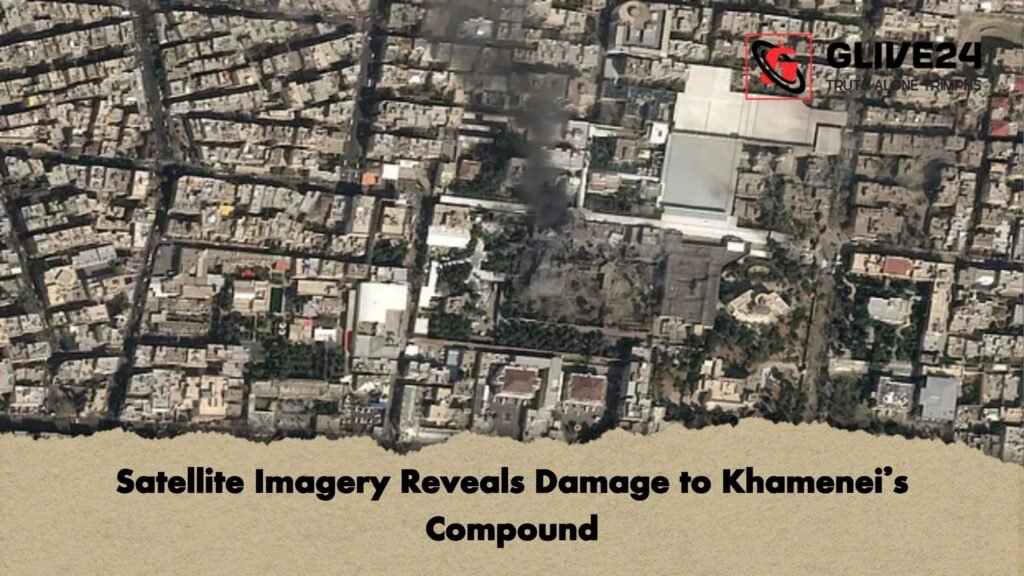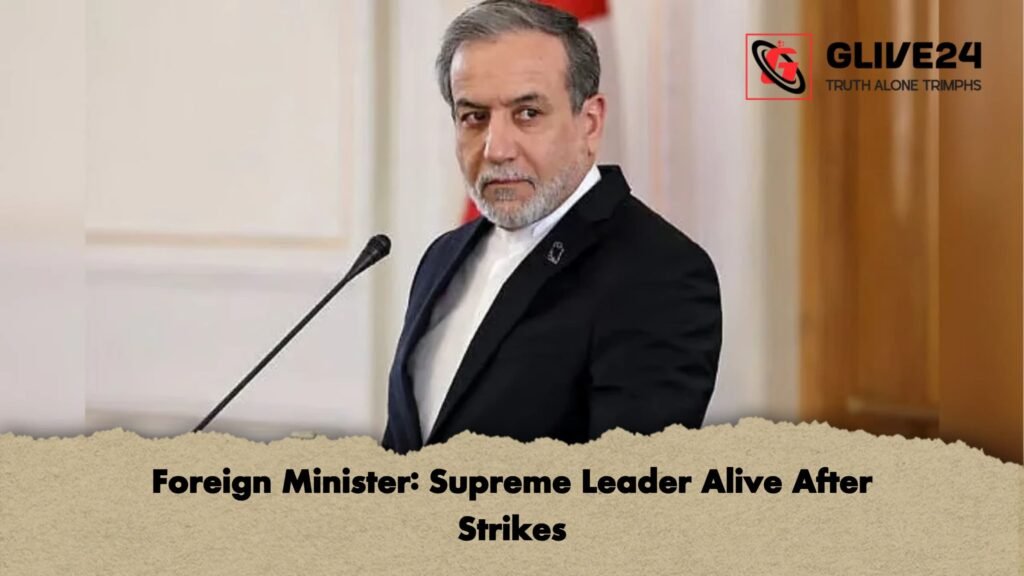
The geopolitical landscape remains shrouded in uncertainty following a series of unprecedented military strikes by the United States and Israel against the Islamic Republic of Iran. In a high-stakes interview with NBC News on Saturday, 28 February 2026, Iranian Foreign Minister Abbas Araghchi sought to quell mounting global speculation regarding the fate of the nation’s leadership. When pressed on the status of the Supreme Leader, Ayatollah Ali Khamenei, Araghchi stated, “As far as I am aware, the Supreme Leader is alive.”
Assessing the Aftermath
The Foreign Minister’s appearance follows a night of intense kinetic exchange that has pushed the region to the precipice of total war. While Araghchi admitted that the Iranian military may have “lost one or two commanders” during the coordinated incursions, he emphasised that the core of the government remains functional.
Despite the violence, the Minister signalled a surprising shift toward de-escalation. He indicated that with the joint US-Israeli offensive seemingly concluded for the moment, Tehran is “fully open” to mediated negotiations. This diplomatic overture comes at a time when formal communication between Washington and Tehran has reached a nadir. “At this precise moment, there is no direct contact,” Araghchi noted, adding pointedly, “If the Americans wish to speak with us, they know exactly how to reach me.”
Stalled Nuclear Negotiations and Regional Retaliation
The timing of these strikes is particularly sensitive, occurring just forty-eight hours after the latest round of nuclear talks concluded without a breakthrough. The following table outlines the current state of engagement between the involved powers:
| Conflict Pillar | Current Status | Reported Impact |
| Leadership Status | Claimed “Alive” by MFA | Speculation persists due to lack of footage |
| Nuclear Diplomacy | Stalled (Last session 26 Feb) | No significant progress reported |
| Regional Activity | Iranian strikes on US Bases | Termed “Self-Defensive” by Tehran |
| Casualty Reports | “One or two” senior commanders | Independent verification ongoing |
| Diplomatic Path | Open to “Negotiations” | Contingent on Western cessation of force |
A Defensive Doctrine
Defending Tehran’s decision to target American military installations across the Middle East, Araghchi maintained that such actions were purely “defensive” and a necessary response to the violation of Iranian sovereignty. The paradox of offering a diplomatic olive branch while simultaneously confirming attacks on US bases highlights the complex “dual-track” strategy currently employed by the Iranian Foreign Ministry.
As the international community watches for a verified sign of life from the Supreme Leader, the focus now shifts to whether the United States will accept Araghchi’s invitation for dialogue or if the recent “one or two” lost commanders will serve as the catalyst for further Iranian retaliation.