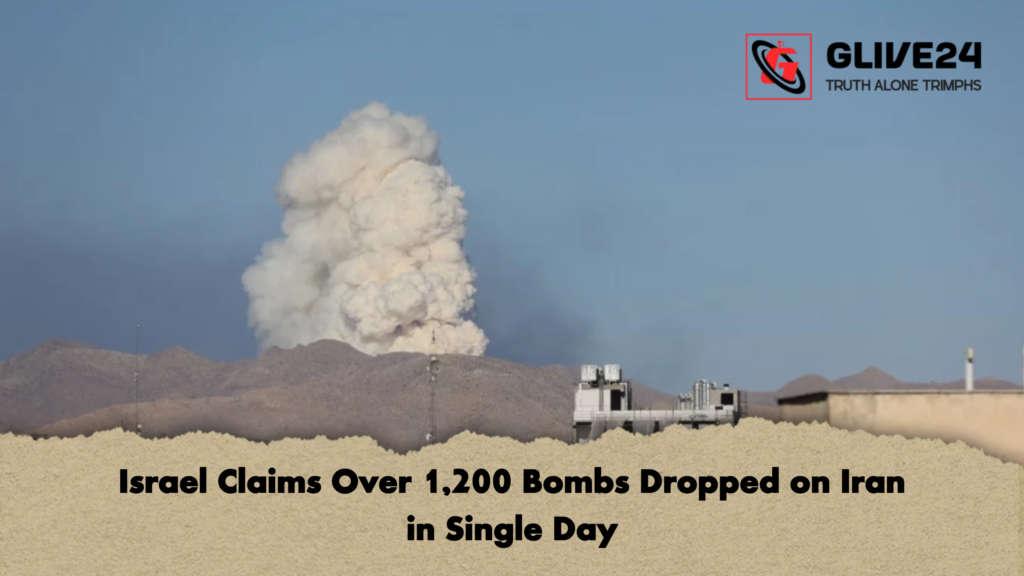
In a significant escalation of the ongoing conflict between Israel and Iran, the Israeli Air Force, in coordination with the United States, has claimed to have dropped over 1,200 bombs and munitions on Iranian targets in a single day. This massive airstrike, which occurred on Sunday, 1st March 2024, has been described as an unprecedented escalation and has raised concerns on both sides of the geopolitical divide.
According to a report by Al Jazeera, one of the most shocking targets of the attack was a primary girls’ school in Minab, a city located in Iran’s southern Hormozgan province. The strike led to at least 148 deaths, many of whom were civilians, including children. Numerous others were reported injured, and the scale of the destruction has raised international outrage. The attack on the school, a civilian facility, has sparked debates about the ethics and legality of such an action in the context of international law.
Iran’s Foreign Minister, Abbas Araghchi, condemned the attack, calling it a direct assault on innocent lives. “Dozens of innocent children have been killed,” he stated, further adding that “this attack will not go unanswered.”
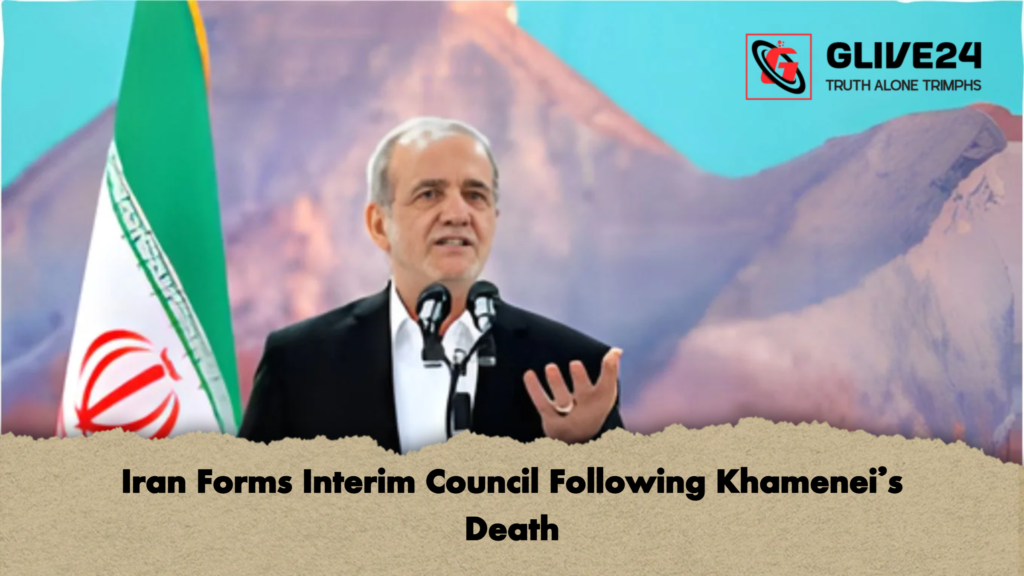
The strike marked the continuation of a broader offensive that began on 28th February when the United States and Israel launched a joint military operation in Iran. Iranian state media outlets, including Tasnim and Fars news agencies, have confirmed that the Supreme Leader, Ayatollah Ali Khamenei, was killed in the airstrikes, a loss that has sent shockwaves throughout the country. The news was confirmed on Sunday, 1st March, and has dramatically shifted the political and military landscape within Iran.
In response to Khamenei’s death, the Iranian government declared a seven-day national holiday and announced a 40-day period of official mourning. The magnitude of the loss has deepened the sense of national grief and heightened the country’s determination to respond.
Key Details of the Attack
| Aspect | Detail |
|---|---|
| Date | 1st March 2024 |
| Countries Involved | Israel, United States |
| Bombs Dropped | 1,200+ |
| Targeted Areas | Minab City, Hormozgan Province, Iran |
| Civilian Casualties | 148 dead, many injured |
| Key Target | Primary girls’ school in Minab |
| Iranian Response | National mourning declared, 7-day public holiday |
| Supreme Leader’s Death | Confirmed on 1st March |
| Minister’s Statement | Abbas Araghchi warned of retaliation |
The strikes on Iran, particularly the targeting of a civilian school, have drawn widespread condemnation from various international organisations and human rights groups. Many critics have argued that such actions violate international humanitarian law, specifically the Geneva Conventions, which safeguard civilian infrastructure and the protection of non-combatants during times of war.
The death of Khamenei has further intensified the already volatile situation in the region. Analysts fear that this significant loss may trigger severe retaliatory measures from Iran, which could potentially escalate into a wider regional conflict. The broader geopolitical ramifications are being closely monitored by officials across the globe.
The attack underscores the deepening tensions between Iran and its adversaries, with both military and political consequences for the Middle East. In the wake of this escalation, the international community is bracing itself for potential reprisals, while the global political order faces more uncertainty in the region’s already fragile security environment.
As the situation evolves, world leaders and organisations continue to call for restraint and a de-escalation of hostilities. However, with the military operations intensifying, the outlook for peace in the region appears increasingly uncertain.