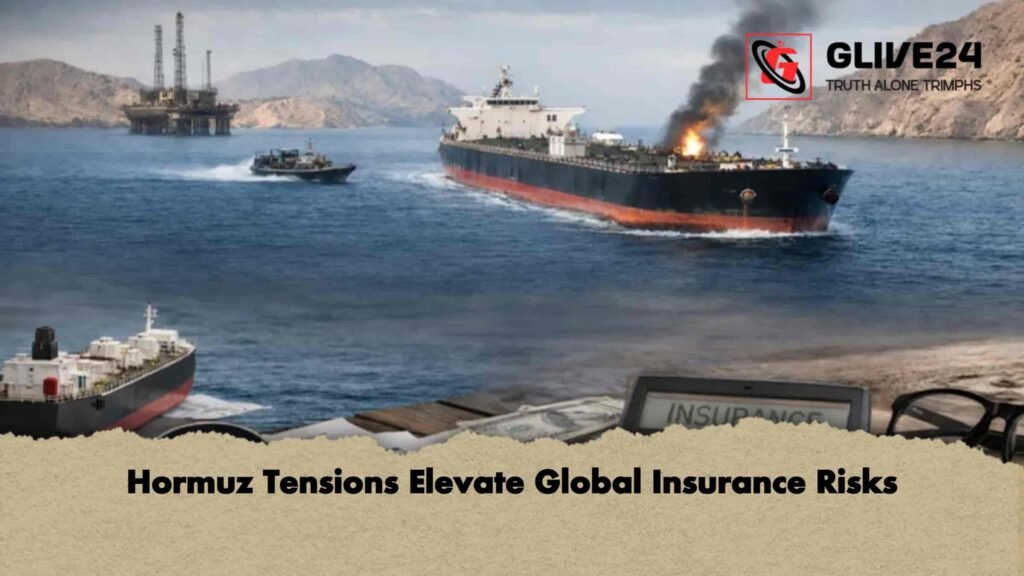
Escalating geopolitical tensions surrounding the Strait of Hormuz are sending ripples across global energy and insurance markets. The current unrest is not only affecting crude oil and natural gas prices but is also placing considerable strain on marine insurance, cargo coverage, energy-related risk policies, and the reinsurance sector. Experts suggest that this period represents a critical moment for insurers to reassess and recalibrate their risk exposure.
The Strait of Hormuz serves as a vital conduit for international energy supply, with millions of barrels of crude oil and liquefied natural gas (LNG) transported daily to global markets. Any disruption along this key maritime corridor, or even the threat of potential security incidents, creates significant uncertainty for shipping operations. Such uncertainty compels insurers to reevaluate coverage conditions, often resulting in increased premiums, stricter policy terms, and heightened scrutiny of high-risk voyages.
Marine and cargo insurance sectors are particularly affected. Shipowners are confronting rising insurance costs, while cargo insurers are imposing more stringent terms. Delays, route diversions, or heightened risk of loss amplify claims pressure. LNG transport is exceptionally sensitive due to the high value and specialised nature of the vessels involved. Any disruption can magnify the probability of cargo delays or losses, complicating insurers’ risk calculations.
The reinsurance market is similarly impacted. Firms reliant on reinsurance for large-scale exposures are now facing higher premiums and tighter terms. Broader energy supply uncertainty has cascading effects on industrial output and commercial activity, elevating the demand for business interruption and trade credit insurance. Increased import and export costs place additional strain on corporate cash flows, intensifying credit risk concerns.
Financial market volatility compounds the challenge for insurers. Fluctuations in energy and transportation sector equities influence investment portfolios, forcing underwriters and risk managers to recalibrate strategies with greater caution.
Insurers are responding proactively by implementing rigorous risk assessments, leveraging real-time data analytics, and strengthening claims management protocols. There is a discernible trend towards adjusting coverage limits, deductibles, and policy terms in high-risk regions. Additionally, firms are enhancing client awareness and promoting alternative routing strategies to mitigate potential losses.
The table below summarises the impact of the Hormuz crisis across major insurance segments:
| Insurance Sector | Key Impact | Industry Response | Potential Outcome |
|---|---|---|---|
| Marine Insurance | Maritime route uncertainty | Premium increases, coverage review | Higher shipping costs |
| Cargo Insurance | Rising delay and loss risks | Stricter terms, vigilant underwriting | Increased claims pressure |
| LNG Transport | High-value vessel exposure | Complex risk assessments | Supply disruptions and delays |
| Reinsurance | Large-scale risk exposure | Premium hikes, stricter conditions | Rising reinsurance costs |
| Trade Credit Insurance | Business and cash flow pressure | Risk reassessment | Elevated trade and credit risks |
The Hormuz Strait crisis underscores how swiftly geopolitical instability can reshape global insurance frameworks. Adjustments in premiums, coverage structures, and reliance on reinsurance indicate a strategic shift within the sector. Over the long term, structural changes in maritime and energy-related insurance markets appear inevitable. Insurers must adopt robust and forward-looking risk management strategies to safeguard industry stability and protect client interests.