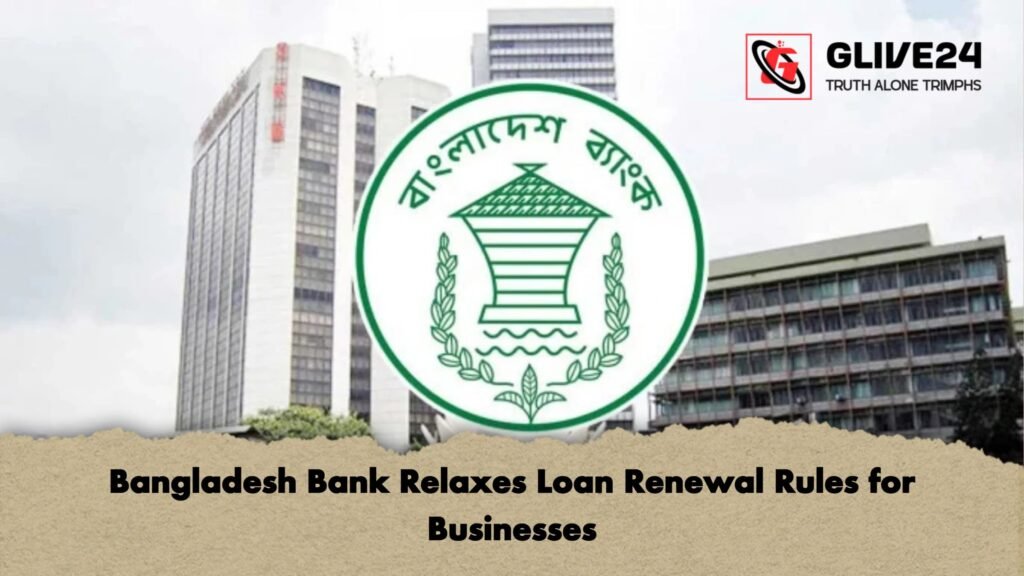
In a significant move to bolster the nation’s commercial sector, the central bank of Bangladesh has announced a substantial relaxation of the regulations governing the renewal of continuous loans. This policy shift effectively reverses a stringent directive issued eight months ago, which had mandated that borrowers must settle any over-limit amounts before their credit facilities could be renewed.
Under the newly issued guidelines, businesses will now be permitted to renew their continuous loans without the immediate requirement of clearing excess dues, provided the accounts have not deteriorated to a ‘bad’ or ‘loss’ category (classified as defaulted). This period of regulatory leniency is slated to remain in effect until 2027, offering a long-term cushion for enterprises struggling with liquidity constraints.
A Swift Shift in Monetary Policy
The directive, dispatched to all scheduled banks on Tuesday, 3 March 2026, marks one of the first major policy interventions under the leadership of the newly appointed Governor, Md. Mostakur Rahman. A prominent businessman himself, Mr Rahman assumed the governorship on 26 February. His appointment was widely viewed as a signal that the interim administration intended to take a more “business-friendly” approach to economic recovery.
Within less than a week of taking office, the Governor has introduced two major concessions aimed at the private sector. In addition to the loan renewal easing, a second circular was issued on the same day granting export-oriented industries a special one-year credit facility. This specific fund is intended to assist factories in settling the wage bills of their workforce for the month of February, ensuring industrial stability amidst global economic fluctuations.
Comparative Overview of Loan Policy Changes
The following table outlines the transition from the previous restrictive regime to the current flexible framework:
| Feature | Previous Directive (Issued 2025) | New Directive (Effective March 2026) |
| Over-limit Requirement | Must be fully repaid before renewal | Repayment waived for renewal |
| Eligibility Threshold | Strict adherence to credit limits | Open until account hits ‘Bad/Loss’ status |
| Sunset Clause | Immediate and ongoing | Valid until 2027 |
| Primary Objective | Debt recovery and discipline | Liquidity support and business continuity |
| Additional Support | None specified | Special 1-year loan for export sector wages |
The Economic Context
Economists suggest that these measures are a direct response to the stagnant credit growth and high operational costs currently facing the manufacturing sector. By allowing loans to be rolled over without the immediate pressure of “de-bulking” the over-limit portions, the central bank hopes to prevent a wave of involuntary defaults that could destabilise the banking sector.
The special wage-support loan for exporters is particularly critical. As the backbone of the Bangladeshi economy, the garments and textile sectors often face delayed payments from international buyers. Providing a state-backed bridge loan for February salaries mitigates the risk of labour unrest and ensures that the country’s export engine continues to hum.