
Khabor Wala Desk
Published: 8th March 2026, 6:38 AM
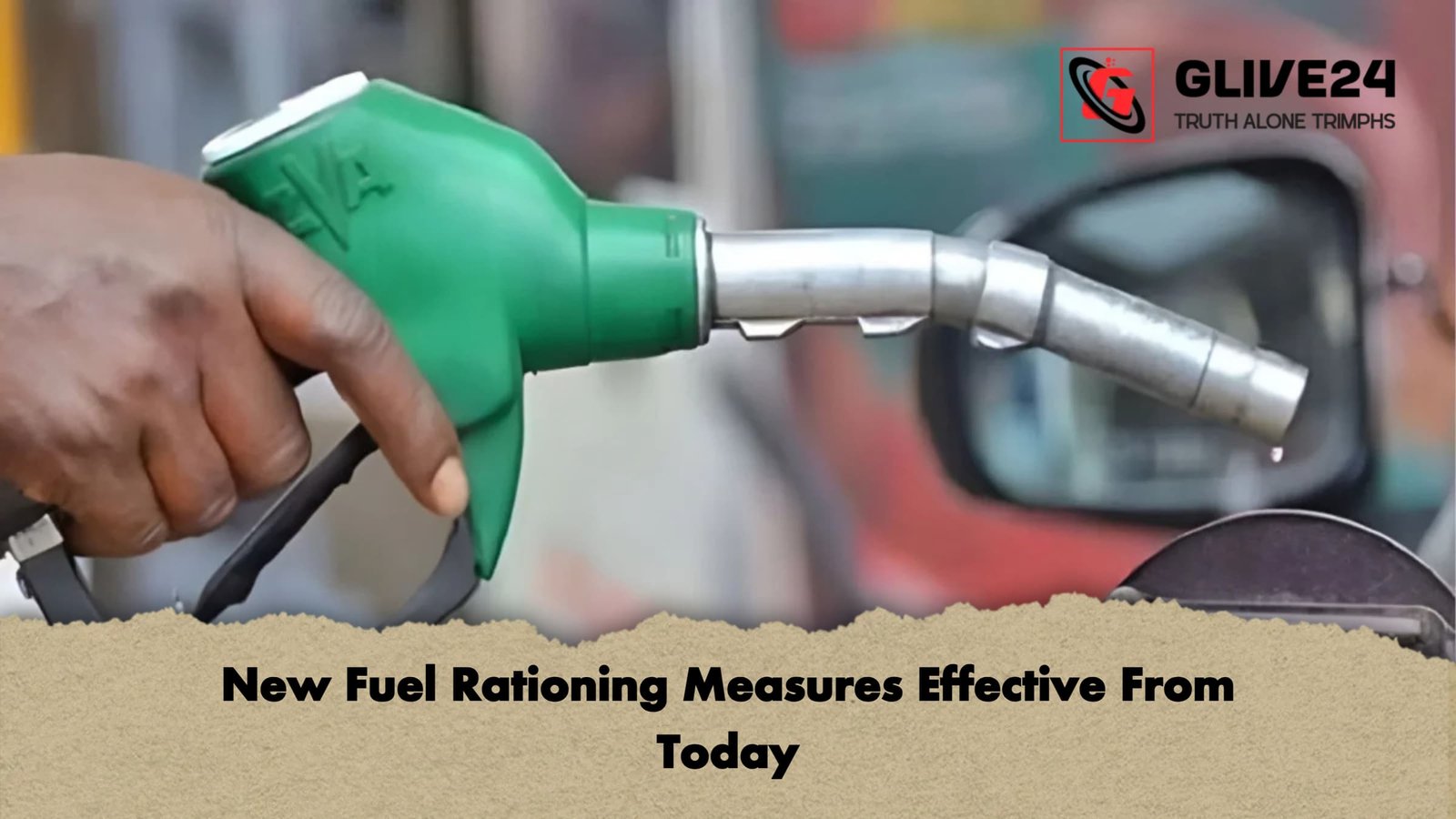
In a strategic bid to safeguard the nation’s energy security and mitigate the risk of a long-term fuel crisis, the government has officially implemented a comprehensive rationing system for petroleum products. The new measures, effective from today, Sunday, 8 March 2026, were announced by the State Minister for Power, Energy and Mineral Resources, Anindya Islam Amit.
The decision follows an inspection of several filling stations in the capital’s Paribagh area on Friday. Addressing the press, the State Minister emphasised that written directives have been dispatched to all petrol pumps across the country to ensure strict compliance.
The Bangladesh Petroleum Corporation (BPC) clarified that these measures are a response to volatile global supply chains. As Bangladesh relies on imports for approximately 95% of its fuel requirements, any disruption in international shipping or geopolitical instability directly impacts domestic reserves. Recently, misinformation regarding fuel stock levels on social media has triggered “panic buying,” with consumers attempting to hoard fuel and dealers requesting excessive quantities from depots.
To stabilise the market and prevent artificial shortages, the BPC has established specific daily limits for various vehicle categories.
| Vehicle Type | Daily Fuel Limit (Litres) | Fuel Category |
| Motorcycles | 2 Litres | Petrol / Octane |
| Private Cars | 10 Litres | Petrol / Octane |
| SUVs & Microbuses | 20 – 25 Litres | Petrol / Octane / Diesel |
| Local Buses & Pickups | 70 – 80 Litres | Diesel |
| Long-haul Buses & Trucks | 200 – 220 Litres | Diesel |
| Container Lorries | 200 – 220 Litres | Diesel |
The BPC’s press release underscored that while stocks are currently sufficient for essential needs, the rationing system is a precautionary “management tool.” By capping daily purchases, the government aims to curb the surge in demand that has seen petrol pump queues lengthen significantly over the past week.
The State Minister assured the public that these measures are temporary and intended to ensure that every citizen has equitable access to energy resources until international supply routes stabilise. Law enforcement and local administrations have been tasked with monitoring filling stations to prevent black-market trading or the unauthorised filling of large containers.

Comments