
Khabor Wala Desk
Published: 8th March 2026, 2:05 PM
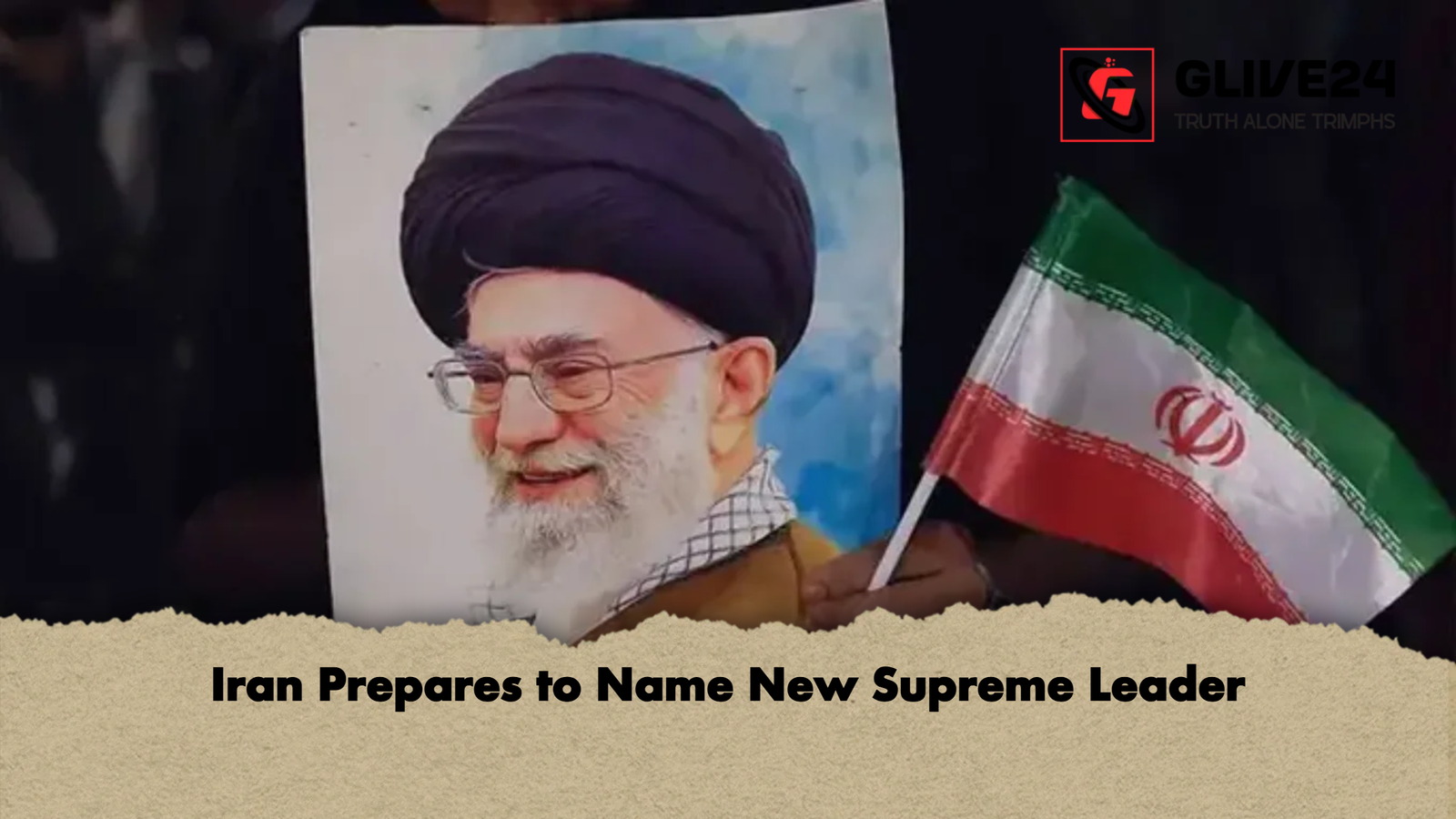
Iran is expected to announce the name of its next Supreme Leader within the next twenty-four hours, following reports that Ayatollah Ali Khamenei has been killed in a joint military strike attributed to the United States and Israel. The anticipated announcement marks a potentially historic moment for the Islamic Republic, as the country prepares for a significant transition in its highest political and religious authority.
State-aligned Iranian media reports indicate that the process of selecting a new Supreme Leader has already begun. The decision will be taken by the Assembly of Experts, a constitutional body composed of senior clerics tasked with appointing and supervising the Supreme Leader. The assembly is expected to convene an emergency meeting to determine the successor to Khamenei.
Hossein Mozafari, a member of the Assembly of Experts, confirmed that preparations for the meeting were under way. He stated that the gathering would likely be held very soon and urged the public to avoid spreading rumours during this sensitive period.
“By divine assistance, the meeting will take place within the next twenty-four hours. People should refrain from circulating speculation,” Mozafari said, according to Iranian media reports.
Table of Contents
One name frequently mentioned in discussions surrounding the succession is Mojtaba Khamenei, the son of the late leader. Although he does not occupy a prominent public office within the Iranian government, some political observers believe he holds considerable influence among key religious figures and security institutions.
Nevertheless, there has been no official confirmation that Mojtaba Khamenei is a formal candidate. Under Iran’s constitutional framework, the Assembly of Experts will evaluate potential candidates based on several criteria, including religious scholarship, political experience, and leadership capability.
The Supreme Leader occupies the most powerful position within Iran’s political structure. The role combines religious authority with extensive political power, placing the leader at the centre of the country’s decision-making system.
The Supreme Leader exercises ultimate authority over the armed forces, appoints senior judiciary officials, and has significant influence over domestic governance as well as foreign policy strategy. The office also holds the power to appoint key members of important national institutions.
The following table outlines key aspects of the position and the selection process:
| Key Element | Description |
|---|---|
| Position | Supreme Leader of the Islamic Republic |
| Selecting Authority | Assembly of Experts |
| Total Members of Assembly | Eighty-eight clerics |
| Main Responsibility | Appointing and supervising the Supreme Leader |
| Expected Decision Timeline | Within twenty-four hours |
| Frequently Mentioned Potential Successor | Mojtaba Khamenei |
Ayatollah Ali Khamenei had served as Iran’s Supreme Leader since nineteen eighty-nine, making him one of the longest-serving political leaders in the modern Middle East. During more than three decades in power, he played a central role in shaping Iran’s ideological orientation, regional alliances, and defence strategy.
His tenure included periods of heightened tension with Western powers, international economic sanctions, and negotiations related to Iran’s nuclear programme. Under his leadership, Iran also expanded its regional influence through political alliances and strategic partnerships across the Middle East.
The impending decision by the Assembly of Experts is expected to attract intense attention both inside Iran and internationally. The choice of successor could influence the country’s domestic political balance as well as its diplomatic relations and strategic posture in a volatile regional environment.
Political analysts suggest that the next Supreme Leader will inherit immense authority but also face complex challenges, including regional security tensions, economic pressures, and evolving global alliances.
As the expected announcement approaches, speculation continues within political circles and media outlets. Iranian authorities, however, have urged restraint, emphasising that only official statements should be regarded as reliable information.
The forthcoming declaration is widely seen as one of the most consequential leadership decisions in Iran in decades, with potential implications not only for the country’s internal governance but also for the broader geopolitical landscape of the Middle East.


Comments