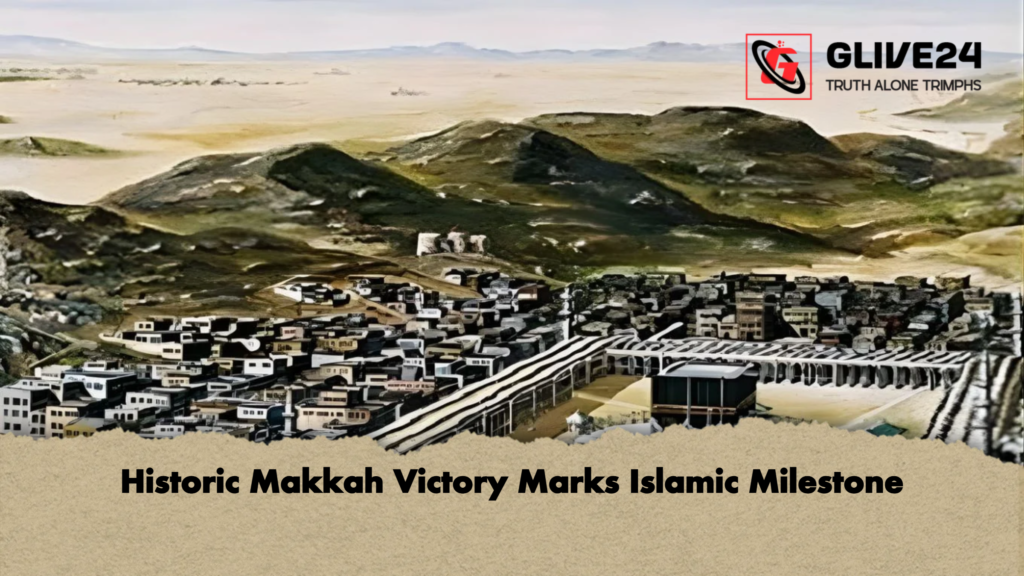
Today marks the 20th day of the holy month of Ramadan, a date of profound significance in Islamic history. This day is commemorated for the historic Victory of Makkah, which took place in the 8th year of the Hijrah under the leadership of Prophet Muhammad (peace be upon him). Following years of persecution, opposition, and conflict, the Muslim community reclaimed their dignity and spiritual centre through a largely bloodless triumph.
Table of Contents
Historical Context
After the advent of Prophethood, the Quraysh of Makkah subjected Muslims to severe oppression, social ostracism, and economic boycotts. The escalating persecution forced the Prophet (peace be upon him) and his followers to migrate to Medina, marking the beginning of the Hijrah. From Medina, Islam spread rapidly, with the Muslim community steadily consolidating its social, political, and religious foundations despite numerous challenges.
The immediate cause of the Makkah expedition was the violation of the Treaty of Hudaybiyyah. When the Quraysh breached the agreement, the Prophet (peace be upon him) mobilised a Muslim army to march on Makkah. This campaign, conducted during the month of Ramadan in the 8th Hijri year, culminated in the peaceful recapture of the city on 20th Ramadan.
The Day of Victory
Upon entering Makkah, the Prophet (peace be upon him) declared a general amnesty, setting a unique precedent in human history. He ordered the removal of 360 idols from the Kaaba, re-establishing the message of monotheism. This act demonstrated that true victory lies not merely in military success but also in justice, peace, and forgiveness.
Key Details of the Makkah Victory
| Aspect | Details |
|---|---|
| Date | 20th Ramadan, 8th Hijri Year |
| Leadership | Prophet Muhammad (peace be upon him) |
| Muslim Forces | Approximately 10,000 |
| Quraysh Forces | Approximately 10,000 (mainly defensive) |
| Outcome | Largely bloodless victory, restoration of unity and forgiveness |
| Notable Events | Breach of Hudaybiyyah Treaty, removal of idols from the Kaaba |
Historical Lessons
The Victory of Makkah transcends military achievement. It stands as a timeless example of peace, mercy, and justice in Islamic history. The Prophet’s (peace be upon him) leadership, humanitarian values, and strategic foresight continue to inspire Muslims worldwide. This day reminds us that genuine triumph is achieved through principles of justice and humanity rather than force alone.
The events of 20th Ramadan demonstrate that while strength may secure a city, it is forgiveness, reconciliation, and unity that secure enduring legacy. Even today, the Makkah Victory remains a source of spiritual guidance and moral reflection for Muslims, illustrating that the path to victory is intertwined with mercy and ethical conduct.