
Khabor Wala Desk
Published: 10th March 2026, 6:54 PM
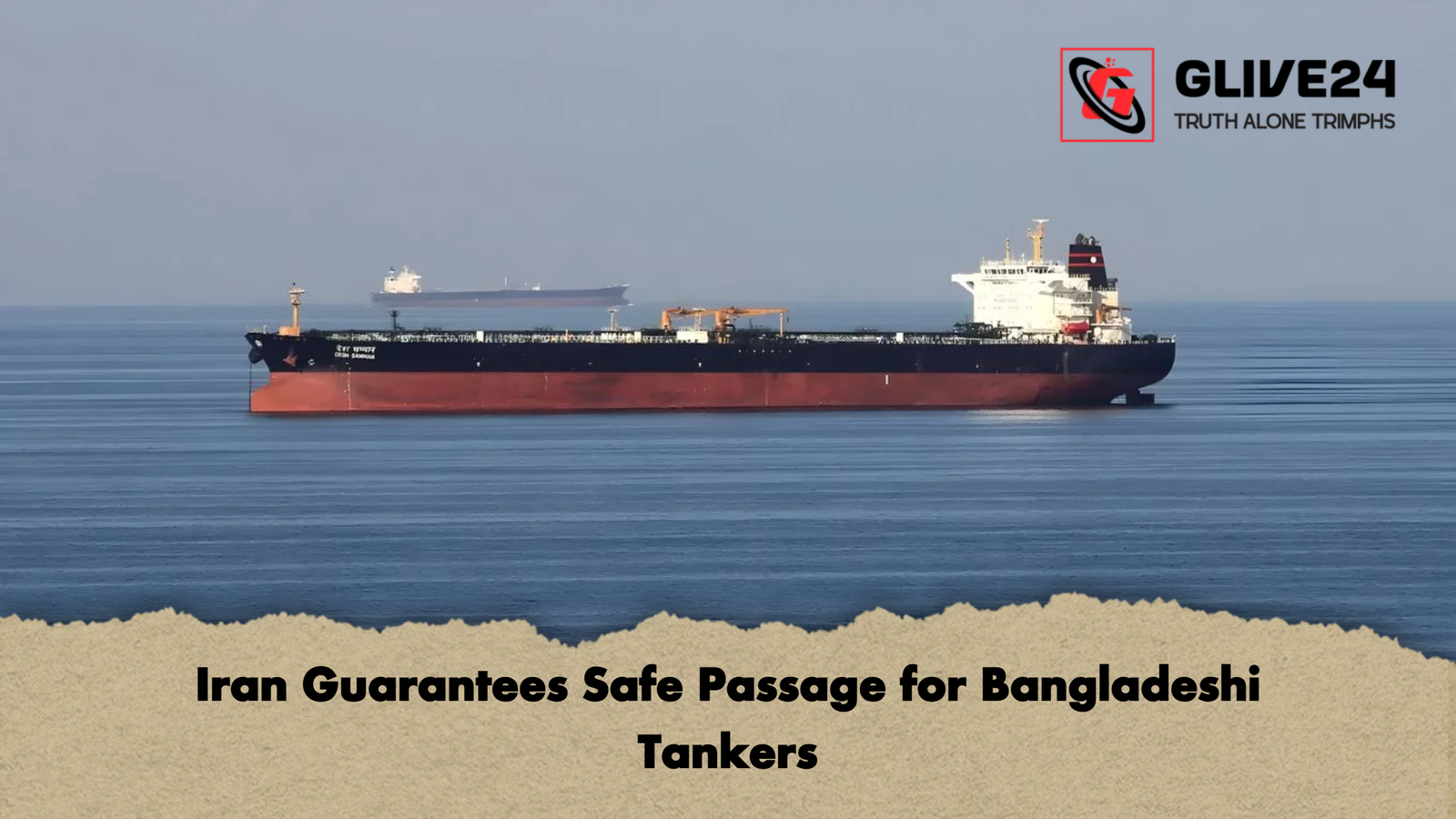
Rising tensions in the Middle East involving Iran, Israel, and the United States have severely disrupted maritime traffic through the Strait of Hormuz, one of the world’s most crucial shipping lanes. While the waterway has not been legally closed, commercial vessel movement has reportedly declined by nearly 90 per cent, according to international shipping analysts. Heightened security risks, increased military presence, and gaps in international insurance coverage are cited as key factors behind the dramatic slowdown, raising uncertainty in global energy supply chains.
In response, the Bangladeshi government has intensified diplomatic efforts to safeguard its fuel imports. Following government requests, Iran has assured that Bangladeshi oil tankers will not face obstruction in the strait. This commitment was conveyed during a meeting on Monday (10 March) at the Secretariat, Dhaka, between Energy and Power Minister Ikbal Hasan Mahmud and Iranian Ambassador to Bangladesh, Jalil Rahimi Jahanabadi, according to ministry officials.
During discussions, it emerged that Iran is currently enforcing strict surveillance and sanctions on vessels linked to Israel or the United States. Bangladesh requested Iran’s cooperation to ensure safe passage for its crude oil and liquefied natural gas (LNG) carriers. Iran agreed but stipulated that Bangladeshi tankers must notify Iranian authorities of their identity and location before entering the strait to avoid any miscommunication or incidents.
International shipping monitoring agencies estimate that approximately 1,000 vessels are currently stalled in the Strait of Hormuz. Many have attempted to navigate discreetly by switching off their Automatic Identification Systems (AIS), further increasing operational risks. Several leading global shipping companies have temporarily suspended operations along this route.
| Aspect | Details |
|---|---|
| Location | Connects Persian Gulf with Gulf of Oman |
| Share of global oil transport | Approximately 20–25% |
| Daily oil transit | 18–20 million barrels |
| Current traffic reduction | Nearly 90% |
Experts emphasise that as the main corridor for Middle Eastern oil exports, instability in this waterway quickly reverberates across global markets.
Domestically, Bangladesh is also exploring alternative fuel supplies to mitigate potential disruptions. The Energy Division confirmed adequate reserves currently exist. Recently, a tanker carrying 27,000 tonnes of diesel arrived from Singapore at Chittagong port, and four additional vessels are expected to deliver approximately 120,205 tonnes of fuel this week.
| Source | Fuel Type | Quantity |
|---|---|---|
| Singapore | Diesel | 27,000 tonnes |
| Various sources (this week) | Oil & fuel | 120,205 tonnes |
| Numaligarh Refinery, Assam, India | Diesel (pipeline) | 5,000 tonnes |
The pipeline supply from India’s Numaligarh refinery is scheduled to deliver 5,000 tonnes of diesel. Analysts suggest that if the Middle East situation persists, Bangladesh may increasingly rely on Indian imports.
International observers warn that prolonged Middle East instability could strain not only fuel supplies but also global food logistics, as disruptions in fuel transport affect agricultural production, fertiliser distribution, and freight costs.
Against this backdrop, the Bangladeshi government is closely monitoring oil, gas, and LNG supplies while strengthening market oversight. Officials affirm that diplomatic engagement, alternative sourcing, and sufficient reserves are central to mitigating any potential crisis.


Comments