
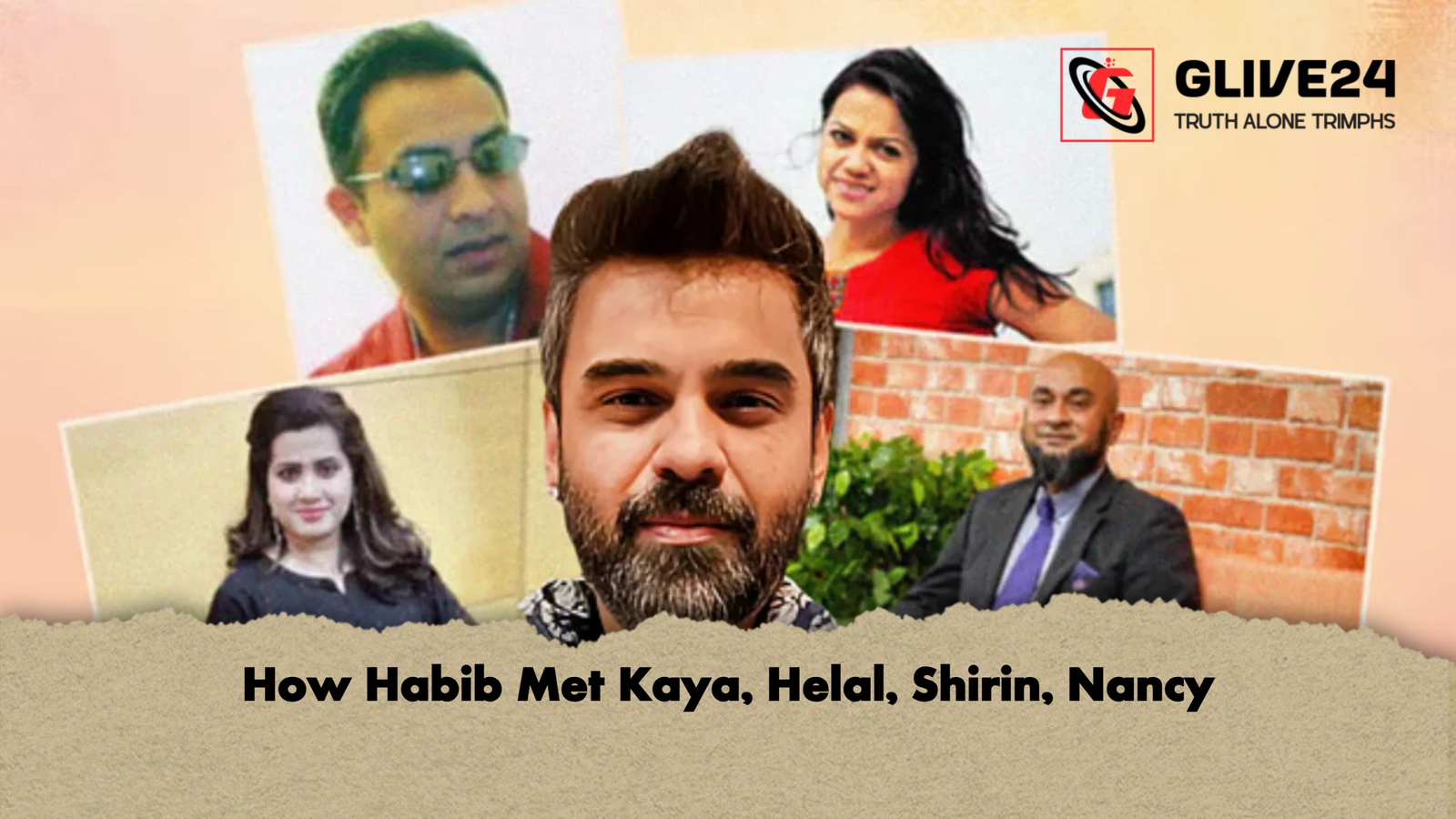
Habib Wahid has been a transformative figure in the Bangladeshi music scene, introducing a distinctive fusion of traditional and contemporary sounds that reshaped the nation’s musical landscape. Having spent the late 1990s in London, Habib returned to Bangladesh in 2002, bringing with him innovative musical ideas that blended Western influences with Bengali folk traditions. In a conversation with our representative, he reflected on his musical journey, London experiences, and collaborations with folk and contemporary artists.
Table of Contents
London Years and Kaya-Helal Connection
Habib’s formative musical experiences were deeply rooted in London, where he arrived in 1999 and stayed until late 2002. Beyond academics, he immersed himself in the city’s music scene, exploring Bengali folk songs from a fresh perspective. Through a family friend of his father, Ferdous Wahid, Habib was introduced to Kaya, who would become a long-term collaborator. He recalls, “That friend used to play music with my father. I used to watch them perform as a child.”
During weekends, Habib performed live at a London restaurant, primarily doing English cover songs. The restaurant was owned by a friend of Kaya and the brother-in-law of Helal, which facilitated his close connection with Helal. The relationships built in London laid the groundwork for later musical collaborations in Bangladesh.
Upon returning home, Habib launched his debut album ‘Krishna’, which combined Bengali folk with Western musical elements. Released in 2003, the album introduced a new flavour to the pop music scene, captivating young audiences with tracks performed alongside Kaya. The following year, he released ‘Maya’, featuring Kaya and Helal, which also enjoyed widespread popularity. Even after two decades, hits like Krishna, Ami Kulhara Kolonkinni, Kala, Bande Maya Lagai and Kuhu Sure Moner Agun remain beloved classics.
| Album | Year | Notable Tracks | Collaborators |
|---|---|---|---|
| Krishna | 2003 | Ami Kulhara Kolonkinni, Kala | Kaya |
| Maya | 2004 | Bande Maya Lagai, Kuhu Sure Moner Agun | Kaya, Helal |
| Panjabiwala | 2008 | Moner Bagane, O Re Amar Moyna Pakhi | Shirin |
Meeting Shirin, the ‘Baul Queen’
Habib first heard Shirin at a family gathering in London and was immediately struck by her unique voice. Though she sang casually, she was locally recognised as the “Baul Queen”. Inspired, he collaborated with her in 2008 for the commercially successful album ‘Panjabiwala’, which included popular tracks such as Moner Bagane, O Re Amar Moyna Pakhi, Shikhaya Piriti, and Shahjalal Baba.
Influence of Shah Abdul Karim
Habib also drew inspiration from the legendary folk singer Shah Abdul Karim. In 2007, he visited Karim in Ujandhal village, Dirai, Sunamganj, along with Helal. Reflecting on the meeting, Habib noted the singer’s frailty but admired his dedication. Karim’s songs Maya Lagai and Age Ki Shundor Din Kataitam added a profound dimension to Habib’s musical style.
Collaboration with Nancy
Through his father’s connections, Habib discovered Nancy, whose initial work included a commercial jingle and a brief contribution to Tomake Chere Ami Ki Niye Thakbo. Their partnership later shaped modern Bengali cinema music, with hits like Bhalobasbo Basbo Re, Prithibir Joto Shukh, Dub, Moner Vitor, Hawae Hawae Dolna Dole, and Dwidha. Habib describes Nancy as his “comfort zone”, praising her unique voice and the audience’s admiration for their duo.
Supporting Emerging Talents
Habib continues to mentor lesser-known musicians, including Arfin Rumy, Imran Mahmudul, and Pritom Hasan. He reflects, “I provide encouragement when confidence falters, but I don’t create anyone. I merely help them find themselves, as others once helped me.”
Currently, Habib remains busy producing content for his YouTube channel and has recorded songs for the upcoming Eid release Itadi. His enduring commitment to innovation and nurturing talent ensures his influence on Bangladeshi music continues to grow.