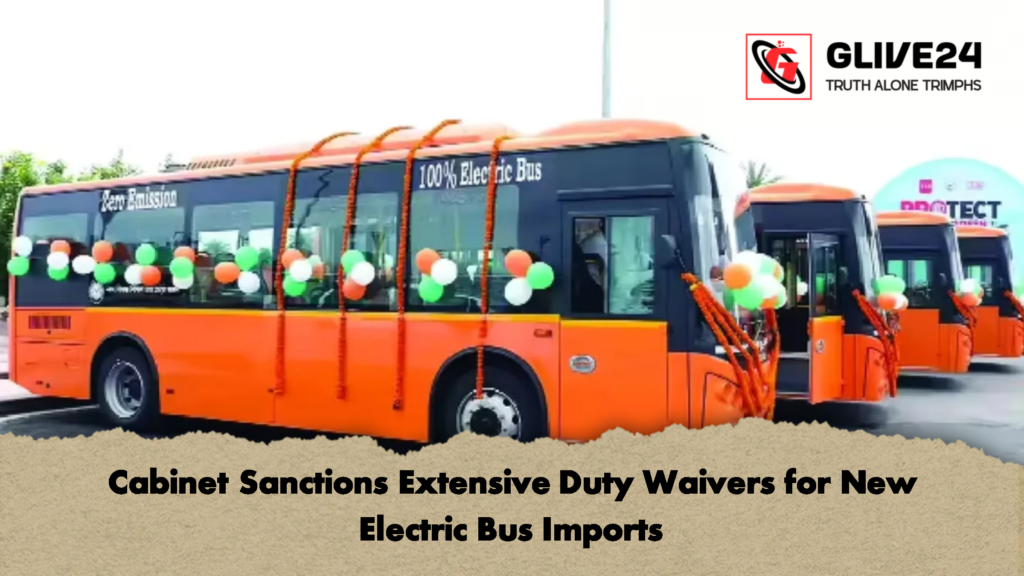
In a landmark policy shift designed to expedite the modernisation of the national transport infrastructure and advance sustainable energy goals, the Cabinet has sanctioned a comprehensive suite of customs and tax exemptions for the importation of new electric buses. Under this new fiscal framework, the government has moved to waive almost all traditional import-related levies, maintaining only a 15 per cent Value Added Tax (VAT) to ensure a streamlined tax structure for green mobility.
Table of Contents
Executive Deliberations and Policy Origin
The decision reached formal approval during a high-level Cabinet assembly convened at 6:45 pm on Sunday, 3 May 2026. The meeting took place at the National Parliament Building’s Cabinet Room, under the chairmanship of Prime Minister Tarique Rahman. Following the session, the Cabinet Division released an official communiqué detailing the strategic intent behind the move: to aggressively incentivise the transition from carbon-heavy internal combustion engines (ICE) to electric vehicle (EV) technology.
The policy was originally drafted and proposed by the Internal Resources Division (IRD) of the Ministry of Finance. By systematically dismantling the Total Tax Incidence (TTI), the government aims to lower the barrier to entry for commercial transport operators and private importers, thereby fostering a more ecologically resilient public transit network.
Eligibility and Technical Framework
The new tax concessions are specifically tethered to the HS Code 8702.40.00 classification. To maintain the integrity of the fleet and ensure safety standards, the Cabinet has established strict eligibility parameters:
-
Minimum Seating Capacity: To qualify, vehicles must be designed to accommodate at least 17 passengers, focusing the relief on mass transit solutions.
-
Pristine Condition: The facility is strictly reserved for “Brand New” units. Reconditioned or second-hand electric vehicles are ineligible under this specific directive to ensure the deployment of the latest battery and safety technologies.
-
Operational Scope: While the 15 per cent VAT applies to buses used for general commercial purposes, the Cabinet noted that vehicles utilised for student transport remain governed by existing separate regulatory frameworks.
Comprehensive Breakdown of Fiscal Relief
The cornerstone of this directive is the absolute waiver of five major components of the standard import tax regime. The Cabinet Division has confirmed that the following will be entirely eliminated for qualifying imports:
-
Customs Duty (CD): The fundamental tariff typically applied to foreign goods.
-
Regulatory Duty (RD): Protective or regulatory levies often used to manage market entry.
-
Supplementary Duty (SD): Charges usually reserved for non-essential or high-value commodities.
-
Advance Tax (AT): A pre-emptive VAT collection usually assessed at the port of entry.
-
Advance Income Tax (AIT): An adjustable tax collected at the point of importation.
By reducing these five headers to zero, the government has ensured that the total fiscal liability for importers is capped strictly at the 15 per cent VAT mark, representing a significant reduction in the capital expenditure required to procure electric fleets.
Broader Impacts and Logistics Expansion
The scope of this green initiative extends beyond passenger transit. The Cabinet Division announced that a separate statutory notification would soon extend these identical fiscal benefits to the procurement of trucks with a capacity of 5 tonnes or more. This move is intended to address the carbon footprint of the nation’s logistics and supply chain sectors, which are significant contributors to urban emissions.
The current window for these exemptions is set to remain open until 30 June 2026. This timeframe allows the administration to assess the initial market response and the subsequent impact on the national grid and air quality before deciding on long-term extensions.
Statutory Regulatory Orders (SROs) from the National Board of Revenue (NBR) are expected to be gazetted shortly to formalise these changes. Beyond the environmental benefits, this policy is anticipated to significantly reduce long-term operational costs for transport companies, a saving that the government hopes will eventually be passed on to the public through more affordable and sustainable fare structures.