
Khabor Wala Desk
Published: 19th April 2026, 1:52 PM
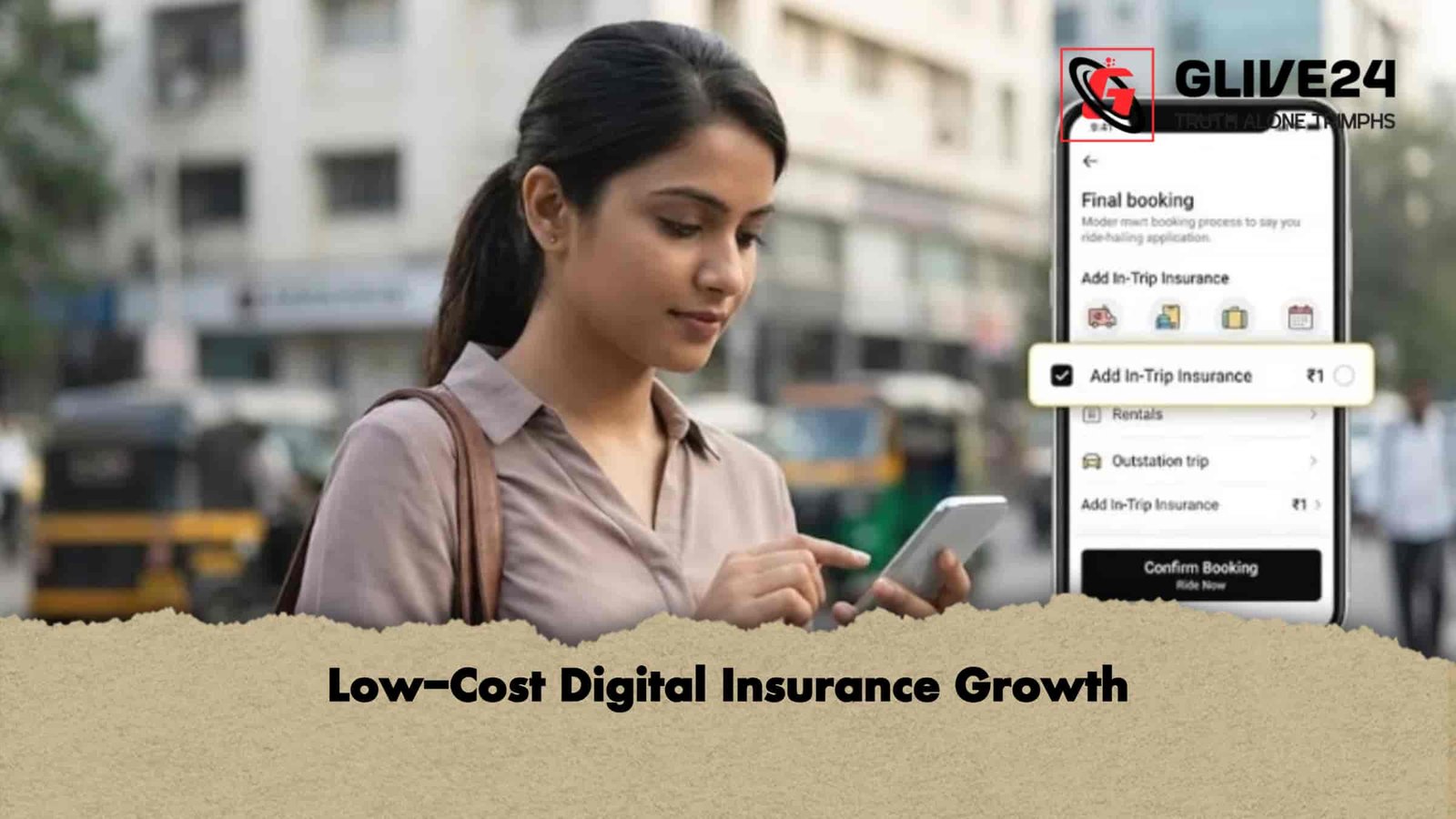
The digital insurance industry has experienced a structural shift in customer acquisition strategies, moving away from high-premium annual policies towards small-scale, low-cost and easily accessible insurance products. A prominent example of this development is one-rupee trip insurance, which has emerged as a widely cited model of micro-insurance innovation. Industry observers regard such products not only as minimal-cost coverage solutions but also as entry mechanisms for expanding customer bases, strengthening trust, and encouraging future uptake of higher-value insurance offerings.
A notable application of this approach has been implemented by the Indian digital insurer Acko in collaboration with the ride-hailing platform Ola. Under this arrangement, insurance coverage was integrated directly into the booking process for passengers. For standard urban rides, the premium was fixed at one rupee. Different pricing structures were introduced for other services, including ten rupees for rental rides and fifteen rupees for outstation travel. This tiered structure reflects a segmentation strategy in which insurance is aligned with the nature and duration of travel, embedding protection within everyday transport services.
Despite its low cost, the coverage offered under the one-rupee policy was substantial. The in-trip insurance provided protection of up to five lakh rupees. Benefits included coverage for accident-related medical expenses, loss of personal belongings such as luggage or laptops, compensation in case of missed flights, ambulance services, and emergency hotel accommodation. This combination of comprehensive protection with a minimal premium contributed to strong user acceptance and demonstrated the viability of embedding meaningful insurance benefits into low-value products.
A key factor behind the model’s performance was its integration within the user journey. The insurance option was embedded directly into the ride-booking interface, allowing users to opt in with a simple selection during booking. This eliminated the need for separate forms, documentation, or additional procedural steps. Claims processing was also fully digitised, enabling users to submit claims within approximately two minutes through the mobile application. Claim settlement was typically completed within 48 to 72 hours, reinforcing operational efficiency and user confidence.
The reported performance indicators of the model are summarised below:
| Metric | Outcome |
|---|---|
| Policies issued (first 9 months) | Over 250 million |
| Adoption rate (attach rate) | Above 50% |
| System uptime | 99.99% |
| Claim submission time | Around 2 minutes |
| Claim settlement time | 48–72 hours |
The distribution strategy underpinning this model differs significantly from traditional insurance sales frameworks. Conventional models rely heavily on agents, branch networks and field sales teams, which increase acquisition costs and limit scalability. In contrast, platform-based distribution enables insurers to integrate products directly into high-traffic digital ecosystems, reducing friction in customer acquisition and expanding reach.
Acko’s embedded insurance partnerships extend beyond Ola to include platforms such as RedBus, Zomato, Goibibo and Dunzo. This reflects a broader industry transition towards embedded insurance, where coverage is integrated into digital services that consumers already use in daily life. In this approach, insurance is not positioned as a separate purchase decision but is instead offered contextually during relevant transactions such as travel bookings, food delivery or mobility services.
The implications of this model for the insurance sector are significant. It demonstrates that customer acquisition can be effectively driven by low-value, high-frequency products rather than large-premium offerings. Once users experience seamless enrolment and successful claims, confidence in insurance products increases, creating potential pathways towards adoption of more comprehensive policies such as health, motor and travel insurance.
For emerging markets in South Asia, including Bangladesh, this model holds particular relevance. Insurance penetration in the region remains limited, and public perception often associates insurance with unnecessary or discretionary expenditure. Embedding micro-insurance into widely used digital platforms such as ride-sharing applications, e-commerce services and mobile financial systems could help broaden access. As digital ecosystems continue to expand, embedded micro-insurance is increasingly viewed as a scalable mechanism for improving financial protection and expanding insurance coverage among previously underserved populations.



Comments