
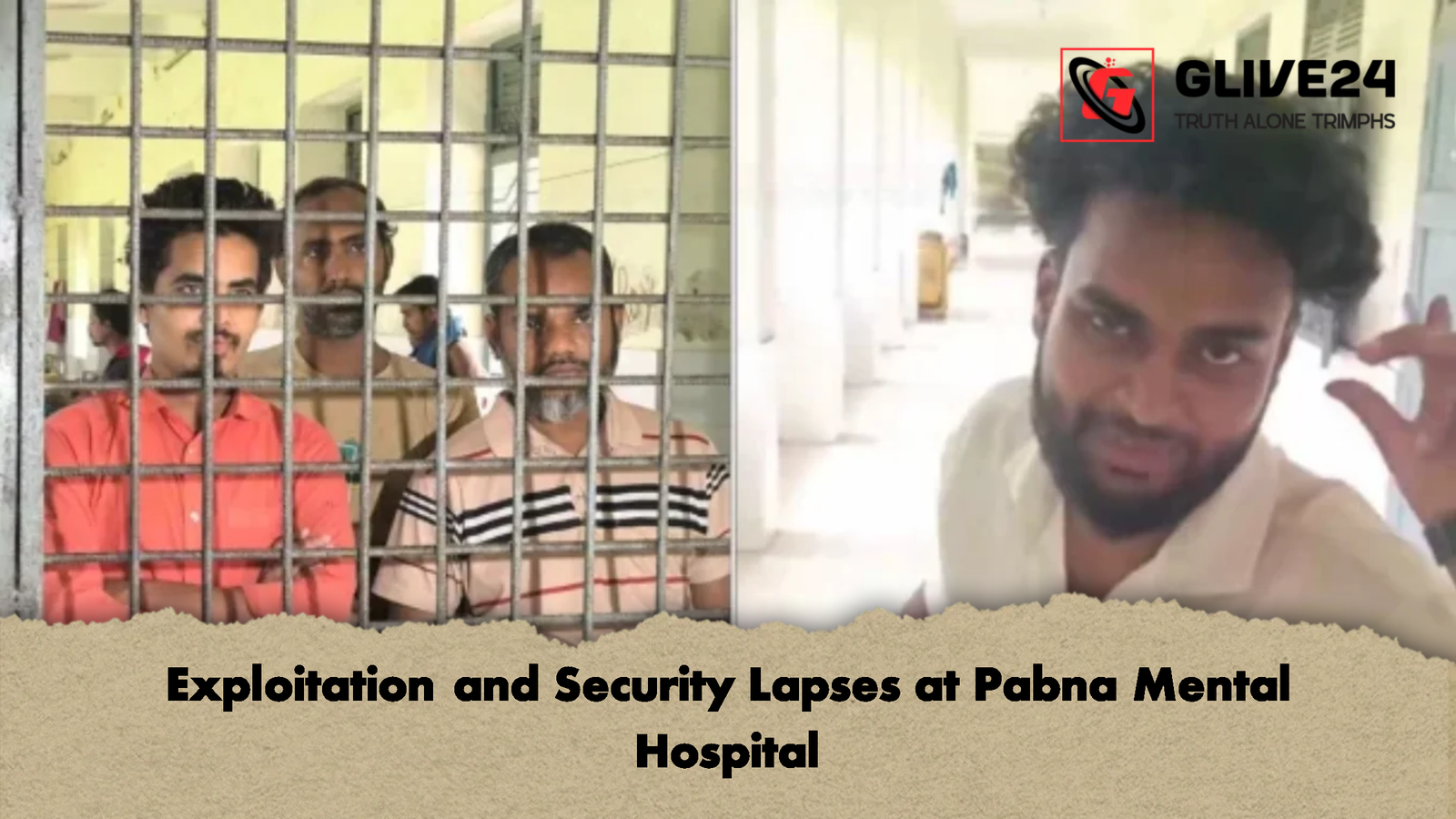
In a distressing breach of medical ethics and institutional security, the Pabna Mental Hospital—the only specialised psychiatric facility in Bangladesh—has reportedly become a hunting ground for unscrupulous “content creators”. These individuals are allegedly gaining illicit access to sensitive hospital wards to film degrading videos of vulnerable patients, subsequently broadcasting their suffering across social media platforms to garner digital engagement and “likes”.
This exploitative trend has placed the psychological well-being and social security of the patients under severe threat. Investigations suggest that the facility’s sanctity is being compromised by a systemic failure in security, with personnel reportedly prioritising petty bribes over the protection of the individuals in their care.
Table of Contents
Security Compromised for Digital “Clout”
The investigation into the hospital’s daily operations has revealed a harrowing environment where patients are treated as spectacles rather than human beings in need of healing. Masked as regular visitors, “TikTokers” and amateur videographers have been observed performing distorted gestures and mocking patients to elicit reactions for their cameras.
Crucially, investigative footage has captured Ansar members—the paramilitary personnel tasked with the hospital’s security—engaging in blatant bribery. The evidence suggests a transactional entry system where the privacy and dignity of the mentally ill are sold for a pittance.
| Security Breach Statistic | Observed Data (April 2026) |
| Standard Entry Bribe | 50 BDT per unauthorised visitor |
| Unauthorised Creators | 12–15 individuals observed daily |
| Primary Platforms | TikTok, Facebook Reels, YouTube Shorts |
| Administrative Action | 2 Ansar members dismissed to date |
| Legal Status | Filming strictly prohibited by bylaws |
The Psychological Toll on the Vulnerable
The impact of such intrusive behaviour extends far beyond a mere privacy violation. Medical professionals at the institution have expressed grave concerns regarding the clinical regression of patients subjected to these “interviews” or recordings.
Dr A.K.M. Shafiul Azam, a prominent psychiatrist at the hospital, explained that these digital marauders often probe patients about their past traumas or domestic tragedies to create “emotional” or “shocking” content.
“These activities have a devastating impact on the recovery process,” Dr Azam noted. “By forcing patients to relive their most painful memories for the sake of a video, these creators cause acute psychological distress. It can take weeks of therapy to undo the damage caused by a single five-minute encounter with a TikToker.”
Furthermore, patients—many of whom lack the capacity to provide informed consent—are often portrayed in a light that invites ridicule rather than empathy. This further stigmatises mental health issues in a society where such conditions are already profoundly misunderstood.
Institutional Negligence and Local Outcry
Local residents and the families of patients have alleged that this is not merely a series of isolated incidents, but rather the work of an organised “syndicate” operating within the hospital’s administrative periphery. They claim that bribe money is funnelled through a network that ensures certain security shifts are intentionally “lenient.”
In response to the mounting evidence, the Director of the Pabna Mental Hospital, Shafkat Wahid, stated that the administration has issued stringent new directives to curb unauthorised entry. He confirmed that an internal probe led to the immediate dismissal of two Ansar members found facilitating these breaches. However, critics argue that the removal of two low-ranking guards is a mere cosmetic fix for a deep-seated systemic rot that requires a complete overhaul of the security hierarchy.
A Call for National Intervention
As these exploitative videos continue to circulate online, human rights activists are calling for the Ministry of Health to intervene. The consensus among advocates is that Pabna Mental Hospital requires a modernised security infrastructure—including the installation of comprehensive CCTV networks and a total ban on smartphones within patient wards—to restore its reputation as a sanctuary for healing.
Without a robust legal crackdown on those who profit from the exploitation of the mentally ill, the hospital risks transitioning from a place of refuge into a theatre of the absurd, where the dignity of the most vulnerable citizens is traded for fifty taka and digital fame.